Author: whatifconcepts

Empowering those that inspire so they can excel at the work that matters.

No Instructions = Innovation


What assumptions curtail innovation?  What folklore and fear have we adopted as dogma?  One Laptop Per Child tried a new approach.

“We left the boxes in the village. Closed. Taped shut. No instruction, no human being. I thought, the kids will play with the boxes! Within four minutes, one kid not only opened the box, but found the on/off switch. He’d never seen an on/off switch. He powered it up. Within five days, they were using 47 apps per child per day. Within two weeks, they were singing ABC songs [in English] in the village. And within five months, they had hacked Android. Some idiot in our organization or in the Media Lab had disabled the camera! And they figured out it had a camera, and they hacked Android.”

What if you assembled your ultimate fans and request they craft an initiative for your enterprise?   Unhindered by the narrative of past projects and debate, what would they design?  How would a fresh perspective allow innovation?

Simplifying Complexity

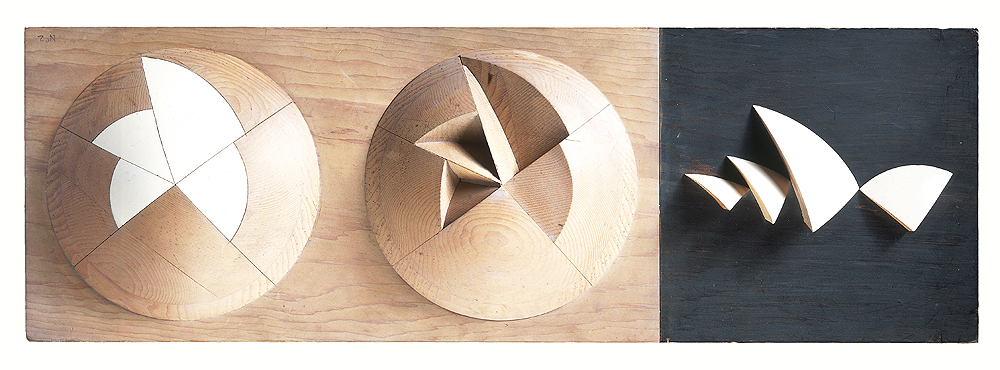
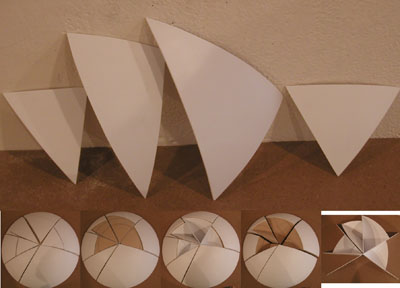
A remarkable detail about the construction of the Sydney Opera House is that once the architectural design of Jorn Utzon was selected (a worthy story in itself), no engineering plans existed to erect the famous structure.  The project ran over-budget, behind schedule, and without certainty that the design could be achieved. It took a paradigm shift in thinking to realize a solution that allowed for the iconic design to take its intended form.  Constructing the geometric shapes in isolation had proved overwhelming but when placed into a larger context, the structure could be realized.  Using a ball as a model, the individual sections could be carved out and placed.  

Too often we ignore our fundamental purpose.  We tackle the immediate without relying our wisdom to see the whole.  The solution to complex problems is not always to create more complexity.

Numbers Will Never Love You, People Will

Simon Sinek has had a profound impact on why I do what I do.  I share his Start With Why philosophy every chance I get because I believe what he believes.  The greatest transformation is understanding that once an inspired individual is connected to their best ideas, the people and cultures they impact will create waves of change that ripple to distant shores.  If we connect with people that inspire us we will go to great lengths to help them succeed.

Builder vs Evaluator

Builders take far more pride and assign a greater value to that which they create than an individual assigned to just evaluate.  Evaluators place a lower value and feel less connected to the product they are reviewing.  It is their job to see the flaws as negatives instead of reminders of a journey worth travelling.  If you are looking to engage individuals with your purpose, you must consider ways to include them as builders otherwise they will value your work at its lowest common denominator.  They will look for like things and assume they are of the same value.  We hold onto and treasure those things that give us the greatest difficulty to achieve, even when the finished result is not a refined and polished as the professionally manufactured version.  It is the meaning we place on the adventure to reach the destination that makes all the difference.  If you teleport yourself to Uluru (Ayers Rock) in the Norther Territory of Australia the sense of awe would be far less remarkable than the current journey which requires extended travel, endurance, and commitment.

We stand in awe of that which we reached with much effort.  We tend to dismiss and diminish that which came to us too easily.

The Difference Between Good and Bad Progress?


One of the unintended consequences of travel is the opportunity to watch films on the plane one might not otherwise find.  Yesterday, I viewed the documentary Surviving Progress.  The film investigates the role of a consumer economy and our definition of progress.  An undercurrent throughout the film is the power of connection between individuals.  No amount of consumerism will replace the core need to be connected to those who believe what we believe.  Perhaps the greatest opportunity going forward is not for those who produce the things that fill our lives but rather for those who inspire the connections between each other.