Innovative Concepts
6-Minutes to Change Beliefs
What is remarkable about Fred Roger’s testimony to the US Senate in 1969 is how he captured the committee’s sense of purpose and aligned it with his in the name of doing great things for the benefit of children.
Builder vs Evaluator
Builders take far more pride and assign a greater value to that which they create than an individual assigned to just evaluate. Evaluators place a lower value and feel less connected to the product they are reviewing. It is their job to see the flaws as negatives instead of reminders of a journey worth travelling. If you are looking to engage individuals with your purpose, you must consider ways to include them as builders otherwise they will value your work at its lowest common denominator. They will look for like things and assume they are of the same value. We hold onto and treasure those things that give us the greatest difficulty to achieve, even when the finished result is not a refined and polished as the professionally manufactured version. It is the meaning we place on the adventure to reach the destination that makes all the difference. If you teleport yourself to Uluru (Ayers Rock) in the Norther Territory of Australia the sense of awe would be far less remarkable than the current journey which requires extended travel, endurance, and commitment.
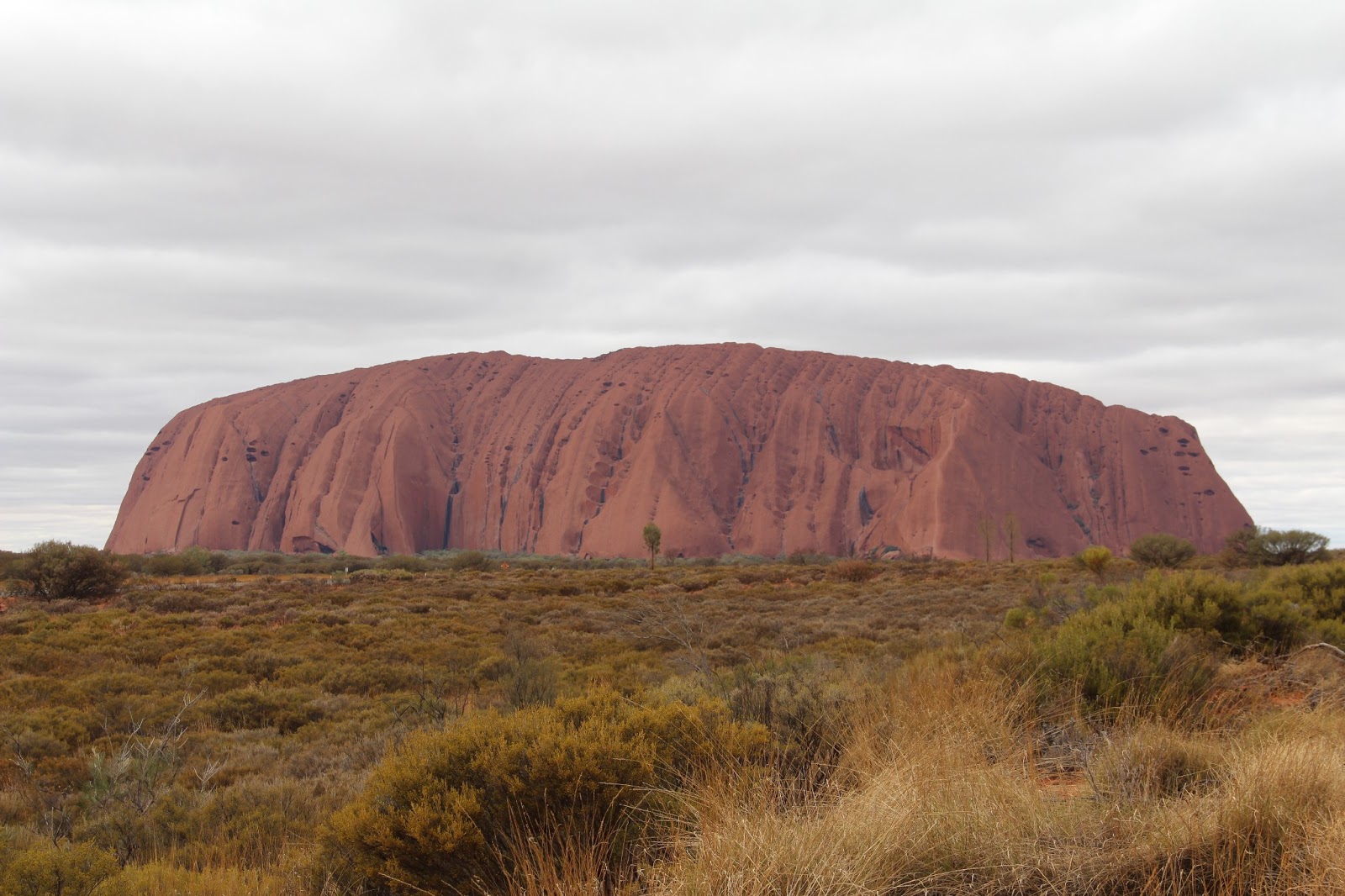
We stand in awe of that which we reached with much effort. We tend to dismiss and diminish that which came to us too easily.
The Difference Between Good and Bad Progress?
One of the unintended consequences of travel is the opportunity to watch films on the plane one might not otherwise find. Yesterday, I viewed the documentary Surviving Progress. The film investigates the role of a consumer economy and our definition of progress. An undercurrent throughout the film is the power of connection between individuals. No amount of consumerism will replace the core need to be connected to those who believe what we believe. Perhaps the greatest opportunity going forward is not for those who produce the things that fill our lives but rather for those who inspire the connections between each other.
What is Your Imprint?

How do you measure the impact of your actions? Do you leave footprints for others to follow? How have you changed your community? Who would miss you if you did not show-up?
Are We On the Same Track?

We get disappointed when visitors do not follow our unwritten rules. If it is an essential agreement, then share the information so everyone can participate as you wish.
Do Your Art

Whatever your super power we need you to do it more often, otherwise we never see remarkable.
Scare or Inspire?

Too often we scare people in order to encourage them to take notice. A few who think differently encourage us to take notice when we are ready.
Right Place Right Time

Be precise. Be specific. Be transparent. Believe. Be prepared for those who are looking to join a cause just like yours. The more you wobble from your center the more energy you use to stay upright. Keep up the inspired journey!
Narrative or Story?

I am putting my South by Southwest (SxSW) experience on a road show this week. I returned yesterday to facilitate a retreat for a group that believes deeply in demonstrating the value of water. The headwaters for the evening’s session was the difference between telling a story and sharing a narrative. John Hagel made a compelling presentation in Austin at the SxSW conference. He took us on his journey of inquiry, revealing the powerful divergence between two concepts that are frequently used to express the same thing but have divergent destinations. John defined story and narrative in the following ways.
Story
- About you and me.
- Has a resolution. The ending is determined.
Narratives
- Open-ended, the ending is yet to be determined.
- Offers an invitation for each of us to participate and help take the next step.
- Powerful narratives motive us to take action which include life and death choices.
- Express vulnerability.
The most influential narrative was that of the explorer in John’s view. The Narrative of the Explorer works in the arena of opportunity. They foster openness and encourage collaboration. Importantly they amplify passion and fabricate the power of wow! John referred to a study where passionate workers were two times more likely to achieve than those who were uninspired. The difference can attributed to the passive story or the active narrative.

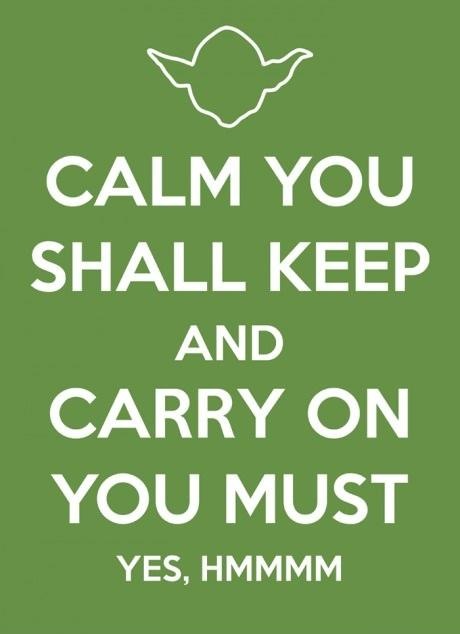
The big question, how can you and I can create an environment that connects people to a compelling narrative? NASA curates an on-going narrative each day with the Curiosity rover on Mars. Curiosity’s journey is unknown and we can follow along on Twitter @MarsCuriosity. Individuals who want more from stories that reached their conclusion find new narratives. Spin-offs of Star Wars, Seinfeld, or Harry Potter evolve from fans committed to carrying on the narrative.
 |
| The Force Continued |
Are you telling stories or a narrative? Stories make for a great dinner party but narratives will build a tribe of followers that take remarkable action.
 What-if-concepts