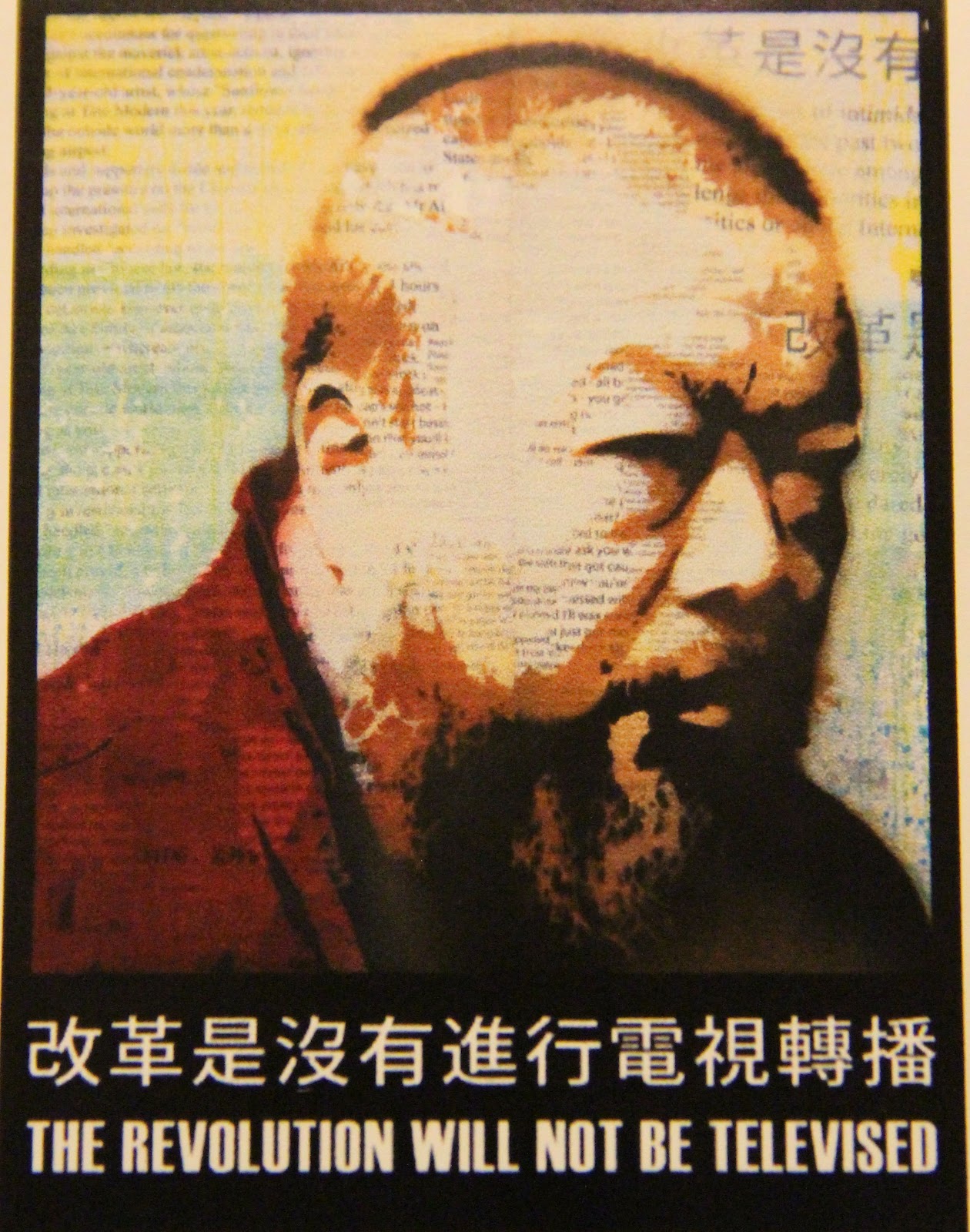
What conversation are most important to your cause? The ones that would gather everyone around the fire because the magnitude of the decisions sparked from these discussions would be monumental.
What conversation are most important to your cause? The ones that would gather everyone around the fire because the magnitude of the decisions sparked from these discussions would be monumental.

If you listen to NPR’s Car Talk, you have encounter Click and Clack, the Tappet Brother’s (Tom and Ray) ability to offer credible and/or humorous advice on a variety of possible vehicle ailments. One of their super powers (beside working for one-hour a week) is effectively diagnosing automotive problems. Their sleuthing typically involves a series of pointed questions followed by some random pondering noises before offering an “ah ha.” They engage callers in a back-and-forth line of inquiry before delivering their diagnosis, then offer empathy and suggestions to fix the predicament.
Informed questions built a tribe of 3.3 million listeners for a show designed to address automotive issues (image making that original pitch to NPR). The power of great questions can empower a community.

The quality of an organization can often be judged by the conversations it convenes for events that have not taken place.

“It is like bowling in the dark. You bowl, hear some pins go down and then when the lights come on you see the results.” Melinda Gates
Are you getting real-time results or waiting until the lights are turned on?
Take the leap, create your version of Caine’s Arcade (or anything that inspires). Where will your imagination take you?

A simple way to measure impact is to ask, “what difference would it make if we ceased to operate?” Enterprises exist that can offers lower prices, faster service, and bigger selections. What cannot be readily replaced is a unique purpose and how you employ your beliefs help others.

I had to pleasure to attend the BoardSource Leadership Forum in Chicago this weekend. The speakers were innovators in the nonprofit sector who had much to share from their enterprises. Here are a few highlights.
Reid Hoffman, founder of LinkedIn
Bill Shore, Share Our Strengths
What are you doing each and everyday to help the person next to you?
 |
| Grand Teton National Park |
You cannot stay on the summit forever; you have to come down again. So why bother in the first place? Just this: What is above knows what is below, but what is below does not know what is above. One climbs, one sees. One descends, one sees no longer, but one has seen. There is art of conducting oneself in the lower regions by the memory of what one saw higher up. When one can no longer see, one can at least still know.”
René Daumal