Currently, on a book tour, David Sedaris has a great line in one of his pieces about how Instagram’s algorithm knows he wants to see a video of a Komono Dragon eating a live goat. The absurdity of the subject matter and the likelihood that such a video exists creates humor and repulsion.
NPR’s All Things Considered broadcast a story about AI generating the first result in a Google search. Using their proprietorial platform Overview, the search giant has allegedly suggested ingesting rocks for nutrition and putting glue on pizza to keep the cheese from sliding off.
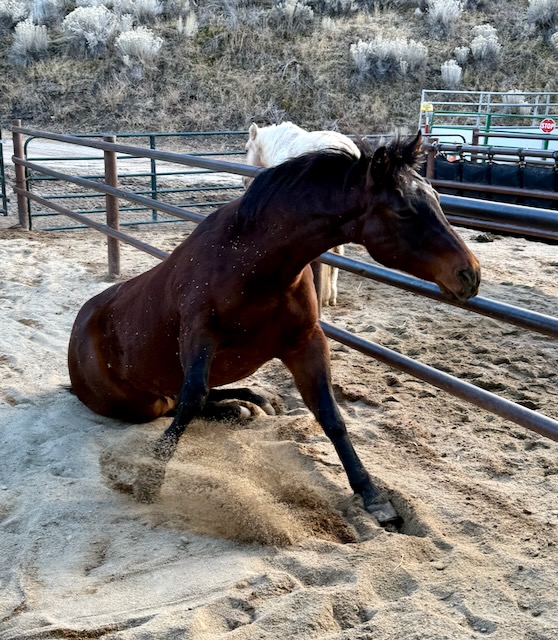
These models are unsteady, like a horse struggling to reach its feet after napping in the sun. They require a lot of power and input from outside data sources to create better results. The more we excel at our exceptional work, the higher the likelihood that algorithms and AI benefit from our creation. But they will always be working on a probability scale. Their suggestions and forecasts will be models. We possess the ability to fill the liminal space between real-time and strategic priorities. While the models might focus on ways to get a napping horse to stand, we can consider the choices we will make on this particular horse, using a specific bridle, while out on our favorite trail just beyond the barn’s fence line.
 What-if-concepts