Practice

Climbing Wall

My two kids scampered up an 18 foot tall climbing boulder in Telluride, Colorado the other day.  There was no ladder or easy way down.  They had to down climb the same way they had ascended.  I stood below and tried to help coach them suggesting where their next foot or handhold could be found.  It was a bit nervous from my perspective as they were high enough that I was uncertain if I could cushion there fall if they were unable to stay attached to the rock.  It was a moment of parental trust and a bit of faith that the kids were having an experiential moment.  I took solace that there was a bit of cushion to the landing surface.  In my mind I figured it was better for the kids to have a trial and error moment on the climbing wall than some rocky boulder field.

It made me consider where we go to learn and practice.  If true mastery takes numerous hours of focused training, where does a social sector board member, professional staff, or volunteer find their climbing wall?  What success have you discovered?

Practice Makes Perfect

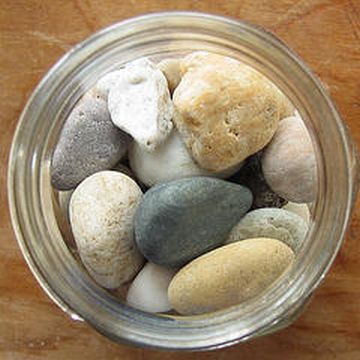
In the continuation of the discussion inspired by the book Outliers the idea of practicing harder and better than anyone else was proposed as a key to success in Pete Carroll’s 60 Minute interview. Coach proposes that the most prepared players are the ones who succeed on Saturday even though they are not always the best players. The NCAA proposes time restrictions on the duration of athletic practice for student-athletes so the very ability to reach the 10,000 expertise hour threshold proposed by Gladwell (see Lonesome Dove post) is hindered by regulation. Much of the extra training takes place on personal time- weight training, film review, sports therapy, etc. How do you maximize the effectiveness of limited practice time? What does your team need to do that is most fundamental to its collective talents? There is a story about putting the ‘big rocks‘ in first (worth the read if you have not already). Are you putting the big rocks in first and then working with the pebbles and sand or is your practice/day/meeting run by the sand and pebbles? I believe that more than one great meeting has reached a single important decision and had far more impact than a meeting that considered many inconsequential issues.


Practice Makes Perfect

In the continuation of the discussion inspired by the book Outliers the idea of practicing harder and better than anyone else was proposed as a key to success in Pete Carroll’s 60 Minute interview on Sunday (YouTube link: http://www.youtube.com/watch?v=ffgYLJ4Smm0). Coach proposes that the most prepared players are the ones who succeed on Saturday even though they are not always the best players. The NCAA proposes time restrictions on the duration of athletic practice for student-athletes so the very ability to reach the 10,000 expertise hour threshold proposed by Gladwell (see Lonesome Dove post) is hindered by regulation. Much of the extra training takes place on personal time- weight training, film review, sports therapy, etc. How do you maximize the effectiveness of limited practice time? What does your team need to do that is most fundamental to its collective talents? There is a story about putting the ‘big rocks’ in first (worth the read if you do not know it http://www.dailyblogtips.com/put-the-big-rocks-first/). Are you putting the big rocks in first and then working with the pebbles and sand or is your practice/day/meeting run by the sand and pebbles? I believe that more than one great meeting has reached a single important decision and had far more impact than a meeting that considered many inconsequential issues.