Great storytellers are quickly bored without an audience to share their craft. They thrive with interaction and an engaged audience. The same is true for meetings. If we simply wish to report out what we already know the meeting could have been summarized in a YouTube video.
How do you make a meeting meaningful? Do you engage your audience? Do you tap into the attendee’s wisdom? Do you seek the advice of your audience? Are they critical to the story?
Social Sector
One of the best resources I use repeatedly when it comes to executing a fundraising campaign is Stuart Grover’s book Capital Campaigns. He does a tremendous job of outlining the key steps, considerations, and resources to execute a successful campaign. What is most effective is about Stuart’s method is that it is simple and focuses on the fundamentals.
When it comes to asking for money, the process is clear that most individuals expect to be solicited for contributions. In fact the average American is barraged by appeals (email, mail, websites, phone calls, text messages, special events, etc). What helps differentiate the truly successful organizations and their fundraising efforts and the ones that just make a lot of noise is the ability to align donors with individuals they trust. If a potential donor hears from a trusted source they are much more likely to give serious consideration to making a donation. If you are the trusted source that is making the appeal, then you ability to communicate that you have invested your time, talent, treasurer and/or touch (as outlined in the Generosity Factor) is a essential. You have put some poker chips into the pot- so to speak. You have made a commitment and now you are sharing the opportunity for others to join you in this tremendous opportunity.
How do you connect with your donors and supporters? Do you have the right trusted source connecting with right donors? Has the person the donor trusts made a significant investment of their own in the project?

Playng By New Rules
Amazing article on what happens when you ask a better question, adopt a different strategy, really understand your competitive advantage:
“David’s winning percentage went from 28.5 to 63.6. When underdogs choose not to play by Goliath’s rules, they win..”
Happiness Index
Yes! Magazine reported recently on the Happy Planet Index. Using the following criteria, they created an index to measure the happiness of countries across the globe:
Costa Rica received the highest rating with the United States in 114 out of 143 countries.
How do (or would) you measure the happiness of your cause? If you developed criteria for your board, staff, customers, what questions would you ask? Do you consider how many board members complete their full board term, attendance at meetings, participation in meetings? Would you track the number of sick days used by staff or if they were Facebook friends? Do you measure the number of customers willing to recommend your organization or the number of complaints you receive?
How do you measure happiness for your enterprise? Is it important?
Managing Change
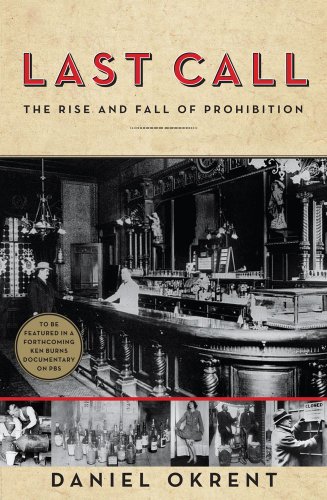
The drugstore Walgreens grew from around 200 stores to over 500 during Prohibition. The most significant catalyst for the store’s growth, they were able to fill prescriptions for medical alcohol. In Daniel Okrent’s book, Last Call: The Rise and Fall of Prohibition, he unveils a series of Prohibition loopholes that have impacted everything from the creation of the woman’s powder room to bar closing times to the very brands that are considered the market leaders today. Sometimes the market creates opportunities that nobody anticipated.