Yield is what matters, and yield comes from getting through the Dip. You punch through the clutter when you allocate more resources and more dedication than everyone else (in that market). Ignore the other markets and the other channels. They’re dead to you anyway.” Seth Godin’s 6/12/09 blog entry

lancearmstrong

A quick example. Lance Armstrong has become universally available on Twitter. I can follow every details he chooses to share about his cycling career, family, LIVESTRONG Foundation, travels, music choices, etc. He is not trying to duplicate his posting on Facebook, My Space, You Tube with the same frequency. He has one million followers on Twitter who are willing to get information 140 characters at a time. This is a classic example of owning a market.

What market do you own? Do you try to cover too much (the shotgun approach). Be precise and own a market today!
Fear

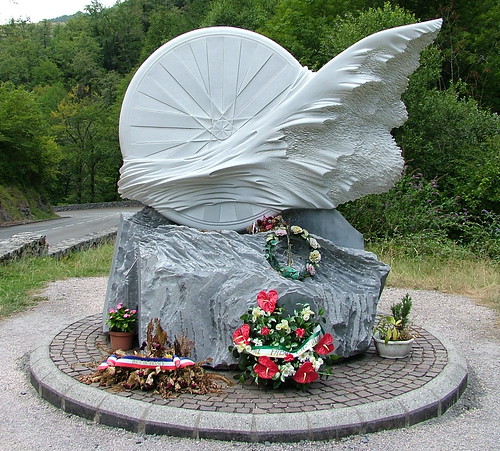
Our town has lost three cyclist during the past three weeks- all killed in accidents involving bike vs. vehicle. Today, I rode past the site of yesterday’s accident. I could feel fear jump my cycling spirit and try to scare it away. This is not the first time. I have vivid memories of getting back on my bike after having lost my father to a bike vs. car accident. A very distracted and drunk driver made a poor choice that day. It is personal but it is also about fear.

How many times have we as members of vibrant and successful organizations resisted an opportunity that may have taken our organization from very good to remarkable? Which donors did we fear to approach? Which person did we never get around to asking to volunteer? Are there partnerships we fear to enter into? Do we have programs, staff, volunteers that we must let go? Is there an elephant sitting in the room that everyone ignores?

Many times it is fear that holds us back from taking a calculated risk. I am certain my father would gladly have taken any of the training rides I took this week. I am certain that the latest cycling victim would have desired one more- if not a lifetime of bike rides. So I cannot succumb to fear and I head to road again. I hope that my faith in the ability and attention of the others that I share the road with will be rewarded. I cannot let my enjoyment of riding be diminished by fear. What I saw today during three and half-hours of riding was remarkable in itself and I am better for the adventure.

What happens when we commit to our talents and do not let fear hold us back?

Taking Your Skill On The Road

Drove out of a Lowe’s parking lot yesterday and saw two gentlemen standing in front of a van with the doors opened and a variety of specialty tools laid out in front of the van. Cardboard signs read “Skilled Carpenters- Need Work- Rate Negotiable.” I passed the van on three sides and clearly these individuals had all the tools one would expected of a competent carpenter.

How do we advertise our skills in the community? What is the marketplace for our labor and expertise? Clearly these individuals had decided that the parking lot at Lowe’s increased their probability of securing a job. Had they been standing in the parking lot with just a sign, I would have not have taken as much notice. The fact that they had their vehicle, the tools of the trade, a sign willing to offer references, and motivation made their presence more remarkable.

I have receive calls from people interested in working as Executive Directors with no previous nonprofit experience but plenty of corporate leadership, individuals interested in serving as the member of a board, volunteers just looking to use their specific skills. I am quite certain their is a position for each one of them. They call me because they hope that my role as consultant will advance them to the front door of the nonprofit super store where they can walk-in and find the position they are seeking. Sometimes I have potential leads and sometimes I do not.

Word of mouth is valuable. Being in the right place is even better. I wonder what the right place is for talent in the nonprofit sector?

Expedition Behavior

In the 90’s I enrolled in a semester course with the National Outdoor Leadership School. A part of the ‘hidden curriculum’ focused on the concept of expedition behavior. At the most basic level expedition behavior is defined as a way of acting and taking personal responsibility that takes in mind your own needs but also those of the group. If you are on an extended expedition there are certain sacrifices that you are going to need to make in order to deal with personality differences. Your personal choices will need to take into consideration the consequences of your actions and how they might effect the entire group. Your risk-management decisions, ability to jump-in and support the group by taking on the tasks that need to be done, anticipating opportunities to encourage and support other members of the group are all part of the ‘team first’ philosophy.

The consequences for the group in selecting the right members for an expedition can be dire. One my first NOLS course we had an individual who was not completely committed to be being in the wilderness for 30-days. The individual ended-up getting injured multiple times and finally required a helicopter evacuation due to the extent of their injury. It completely changed the remaining itinerary of the course.

What critical questions do you ask potential board, staff, and volunteers? How do you communicate your organization’s culture and expectations? Is the honor for a potential team member being asked to serve or in the act of serving the organization? Is the individual going to add more value to your organization or take value from the organization?

Even When You Have All the Resources

Traveling to Seattle this winter, I had the privilege of meeting with experts in the world of early childhood education. Their knowledge, curriculum maps and facilities are among the best in the United States. One of the major supporters of the school’s work at the pre-school level is the Gates Foundation. Over lunch, one of the leaders remarked how the the original intention of the Gates Foundation was to reform the public school system. The foundation’s financial grants and programs were transformative in their size and approach. What the Gates Foundation did not anticipate was the general resistance to change in the education system and the obstacles created by bureaucracy. After evaluating their impact, the foundation decided to change its strategy. It did not leave the field of education but rather jumped forward on the timeline to focus on opportunities within early childhood education. The reception to their efforts and programs has been dramatic. They are now collaborating with the leaders in the field to create new programs and share their discoveries.

Sometimes all the money in the world will not help you meet your mission (do not tell your Director of Advancement or Development) because the obstacles that exist are not ready to budge. Seth Godin describes this as the ‘Dip’. If the Dip is too big you may never get to the other side during your organization’s life cycle. If the Dip is not big enough, then lots of organizations can get to the other side and your enterprise and its programs are no longer remarkable. But you can look for a new entry point. For the Gates Foundation, the move upstream, closer to the educational headwaters shifted the educational paradigm. The foundation’s mission did not change but their approach did.

Is your organization committed to executing your mission despite the resistance and results? How do you evaluate how your organization might best achieve its mission? Are you finding the best place to cross the swift current?