After you show your work, what conversation follows? What happens during the next twelve seconds? Why twelve seconds? If our work is profound, we must allow our audience to submerge themselves before forming a thought/action/comment/next area of focus.
What commitment have you made that generated a nervous feeling? Was it the uncertainty, the scale of the endeavor, the unknown result, the inability to de-commit?
Feeling nervous can be viewed as a privilege in some situations. We put ourselves on the starting line of a race by choice. However, it can also be generated by external forces, a deadline, a demand placed on us, or unfortunate circumstances. Nervousness heightens our senses, and we must react. We might feel isolated, as if on an island with insufficient space to gather resources and respond. Our mindset could be our most significant advantage or disadvantage at this moment. How we frame nervousness has a profound impact on how we act? Seeing a competition as a celebration of all the training we endured has a different feel than seeing a race as an event filled with moments of possible failure.
How might we embrace the privilege of nervousness (when appropriate) and celebrate the opportunity to act? How might we recognize that we may not always have the chance to feel nervous and this is a unique moment?
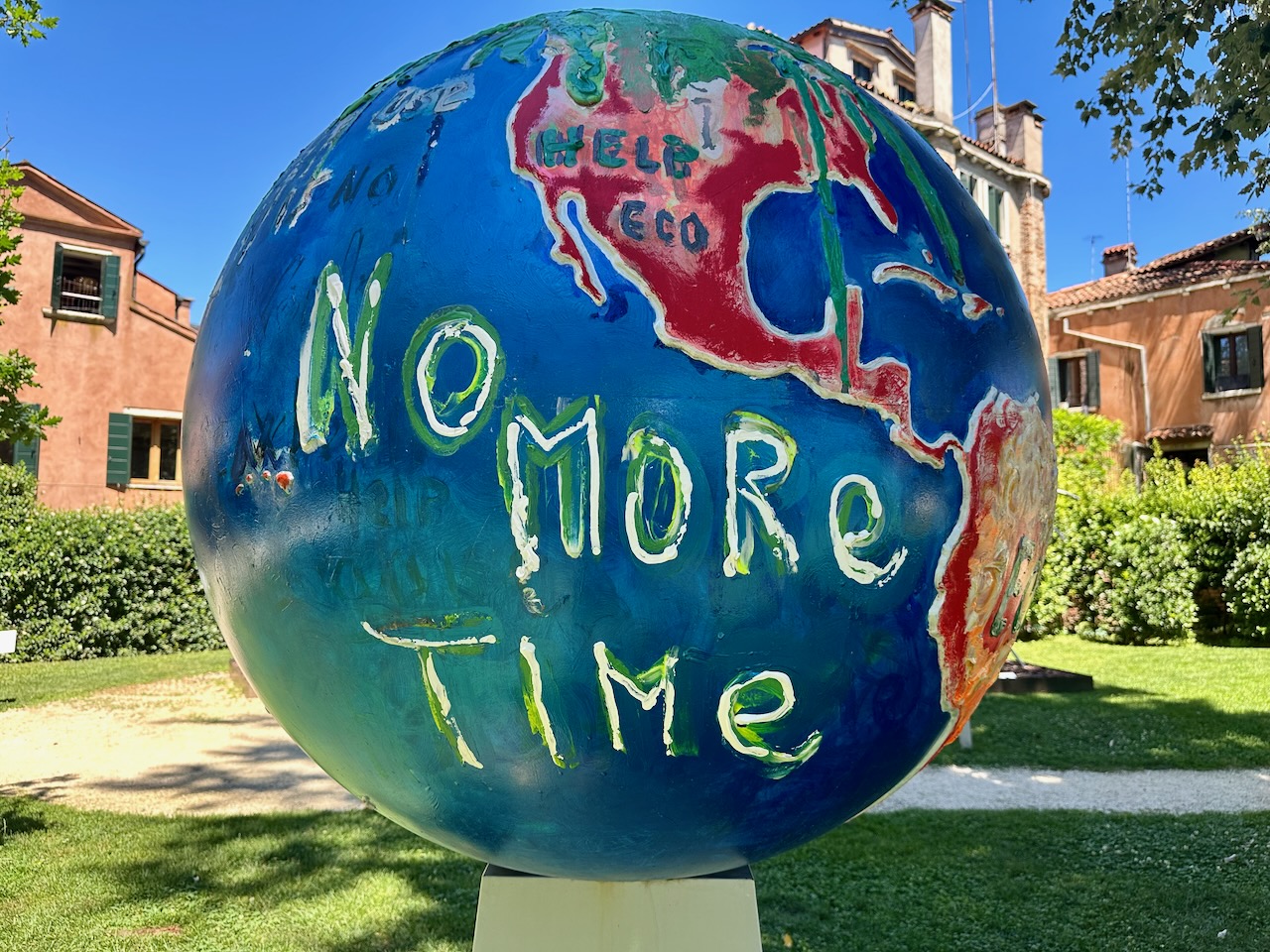
We will not know there is no more time until we cross some imagined or real threshold. Until then, the anxiety and panic of these alarming pronouncements claiming we are out of time feel insufficient (and liminal). How might we raise awareness and create pathways to change, informed by a limitation of duration but not stating we passed the endpoint? If we miss the last train/plane/bus, there is little we can do but wait in place (and perhaps sulk). If there are options to rejoin our journey, we should make those opportunities visible. Distracting the team by activating the alarm system creates distraction; we focus on evacuation when alarms sound instead of addressing the problem.
Chekhov’s Gun is a narrative principle where an element introduced into a story first seems unimportant but will later take on great significance. The principle postulates that any seemingly unimportant element introduced into a story—an object, a character trait, a backstory, an allergy—should later have relevance.https://www.torontofilmschool.ca/blog/chekhovs-gun-definition-examples-and-tips/
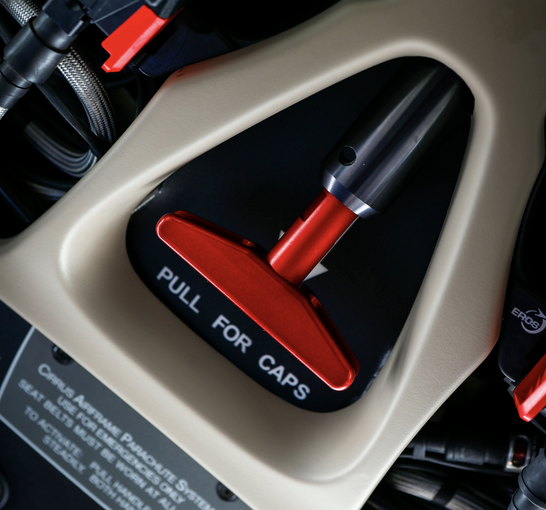
What do you include in your organization’s plan that nods to future activity, and what is identified as a safety device? For example, an organization might title its expansion ‘Phase One’ to reference bigger plans in the future. Circus SR series of planes places a handle to activate a parachute to avoid catastrophic emergencies. Placing a ‘loaded gun’ on the stage can drive the narrative, or it might be a safety measure, with no intention of being deployed.
How might we monitor the intention of the devices highlighted in our plans? Without proper orientation, our team members might be waiting for us to activate the safety mechanism and be disappointed when we launch a future initiative.
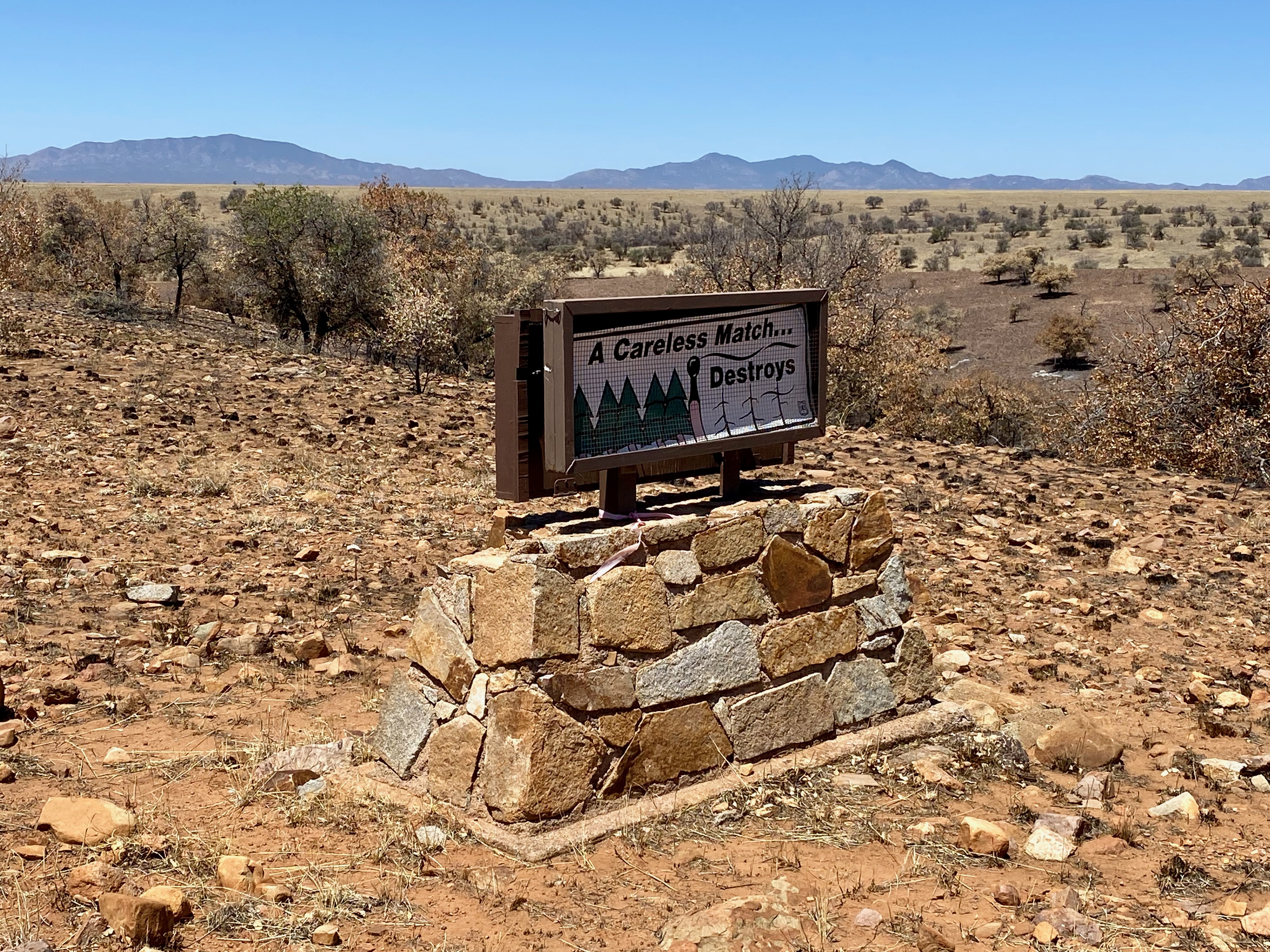
Placing a sign with an important message does not prevent the act. A poster is a method of trying to influence behavior. If the message does not resonate or is not part of the story people tell themselves, it is just some words, and the activity that we hope to shape for a different outcome continues unfettered.
If you look at a ‘to do’ list, is it a point of information or point of action? If you login to a bank statement, receive a project update, weigh yourself, plan a gym workout, how do you respond?Is action necessary or is being informed satisfactory?
How might we inquire about establishing our mindset before reacting to our environment? A budget report with variances might need a brief review and acknowledgement. However, it might require immediate interventions to address a troubling trend.
Being clear before the starter’s pistol sounds means we have a plan and intention to act upon. Otherwise, we may just be pointed in the wrong direction, with inadequate equipment, and focused on an old course map.




 What-if-concepts