Barriers

Knots

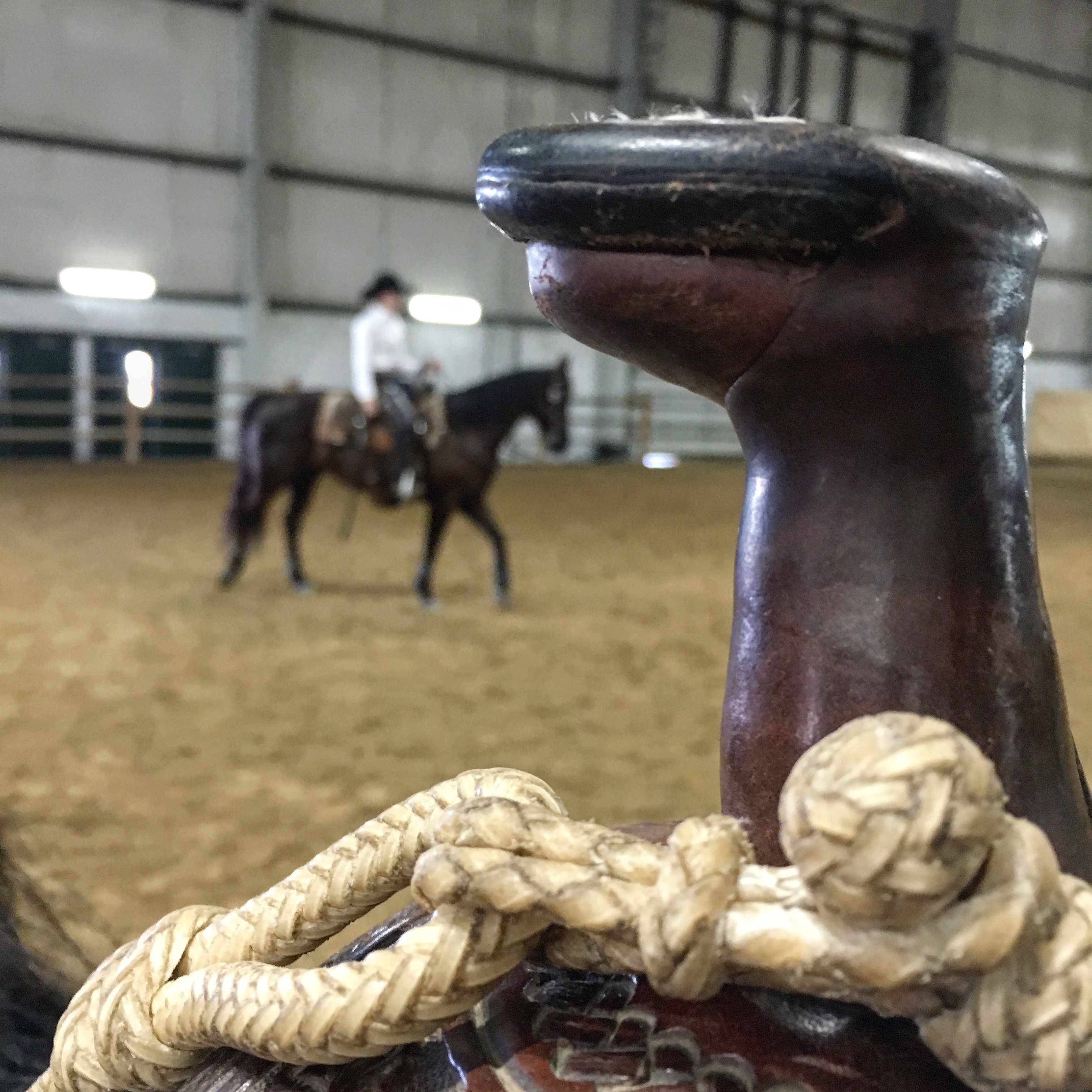
When we introduce a knot, we weaken the working load of a rope up to 50%. If we project the impact of a knot into our own work, what are the literal or figurative knots that create impediments to our impact? Which systemic knots can easily be removed? Which operational knots have been stressed so dramatically that they cannot be undone?

How might we employ knots to secure essential items and avoid using them when they are redundant or unnecessary?
Hazard Zone

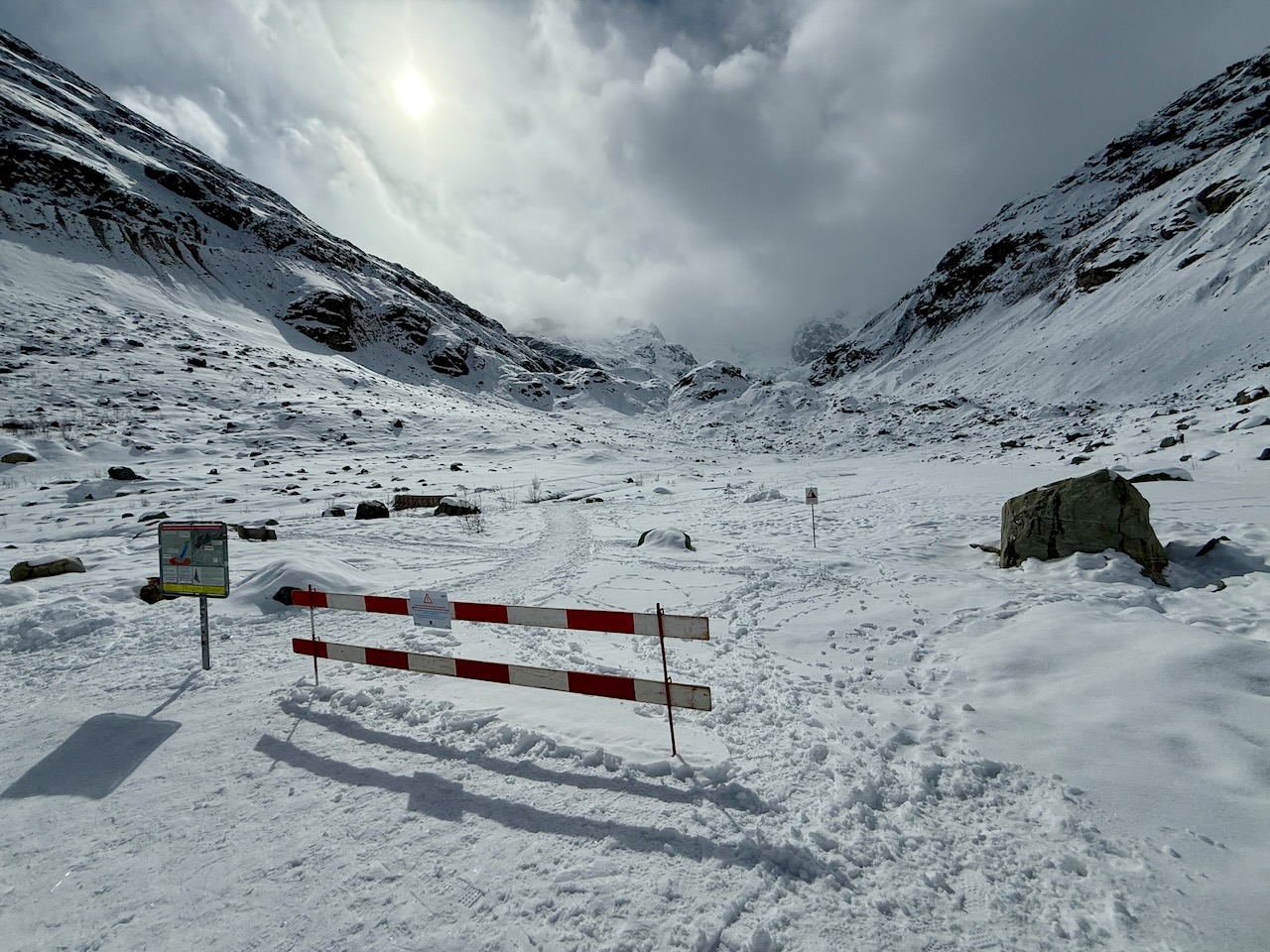
Safety barriers can be seen as inconvenient and unnecessary. When they appear placed too far away from the object we intend to observe, it is easy to ignore their presence. What we do not know is the magnitude of the potential hazards ahead. We are rarely the experts and yet we consider our mastery of conventional wisdom to be all the safety we need.

If we are ready to embrace edgecraft, we must understand that traveling beyond edges has consequences. How do you evaluate warning signs and the potential benefits of navigating beyond the barrier?

Resistance

Resistance is a remarkable force for good and/or a formiable foe. It can appear in numerous forms, mechanical, psychological, chemical, environmental, and humanity to name a few. As winter grips parts of the northern hemisphere, our ability to adapt or subcome to cold is a form of resistance.

Making a decision has a layer of resistance embedded. Embracing homeostatis allows us to postpone resistance in some circumstances. Trying to navigate numerous choices creates points of friction and resistance in certain occurrences.

How might we prepare in advance for resistance points? How might we preload resources to overcome barriers that will postpone our progress? And, how might we adopt a mindset to honor resistance points that are impending signs of failure or damage?

The Ski Bus

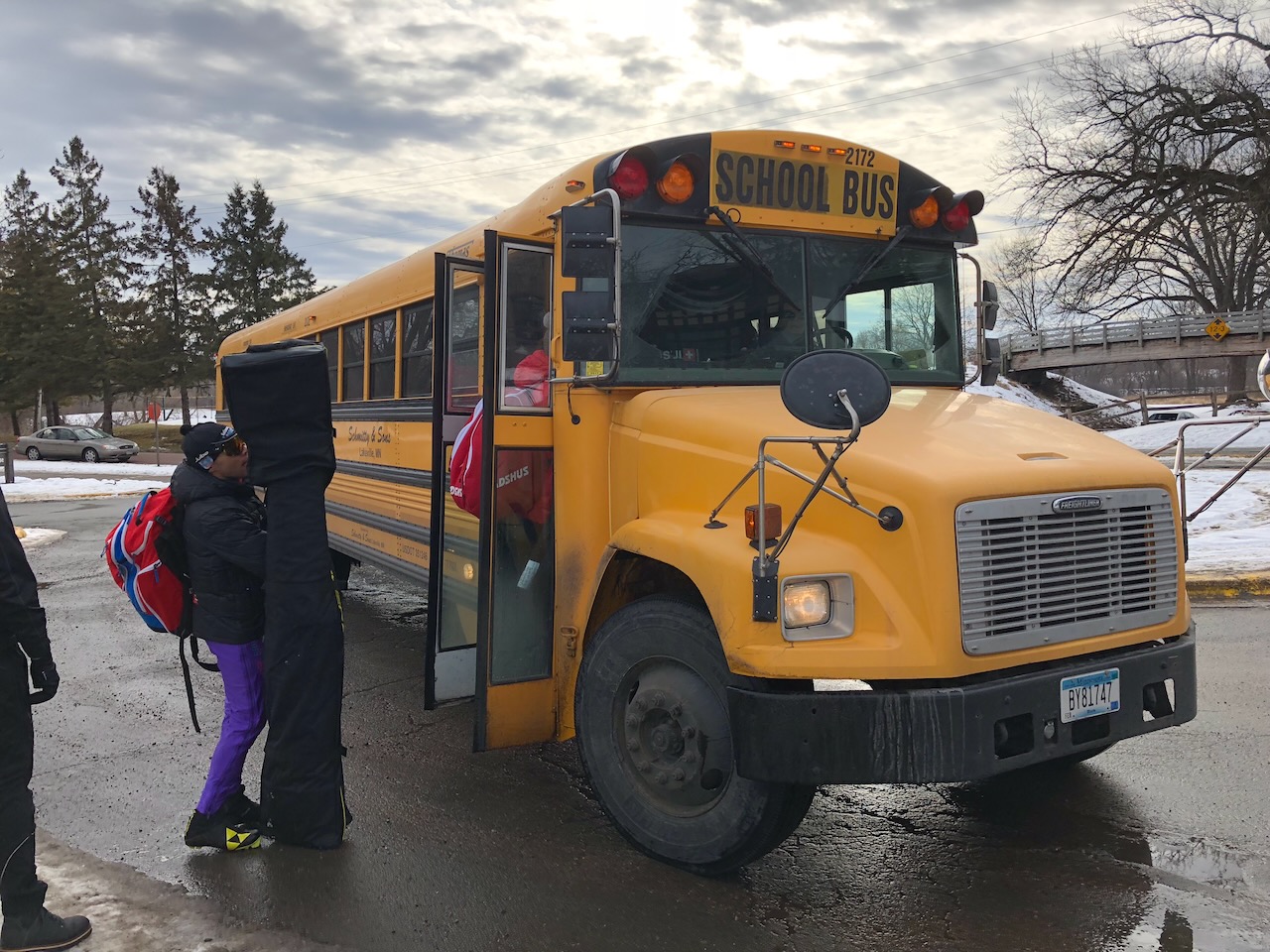
As a kid, I would take a ski bus from the resort to the ski area’s base. It had large metal racks outside the bus, and you placed your skis into a rack by raising them high enough to slot their tails into the rack. It was the most stressful part of the day. I often needed help and feared the bus would depart before I finished loading or unloading my skis. Most of the time, a kind stranger would give me the little assistance I needed to execute the maneuver successfully. The anxiety almost kept me from going skiing.

The bus was designed for adults before anyone considered the consequences of getting road grime on the ski bases. Now, most buses allow skis to be taken inside the bus.

What barriers have we created, intentionally or unintentionally, that are keeping people from engaging with our cause or benefiting from our services? Are we asking the right questions to assess the barriers?

Green Flags

Recently, the number of red flag articles I have encountered is trending. Six red flags that your airline seat mate will be annoying. Three red flags that the restaurant is understaffed. Nine red flags that your hotel room is not clean.

It made me wonder why I do not encounter more green flag articles. Why are there so few pieces titles, four green flags that your next adventure will be awesome.

Red flags get attention. Red flags require management decisions. Green flags confirm our hopes (and maybe our expectations). They mean we can divert our attention to other issues.

What are the the green flags attributes of an organization you joined? Why were you excited to lend your talents and how did the cause meet your expectations? Why not invest a little time discussing those characteristics before listing all of the barriers to entry?