
Highlighting a point of interest helps ground the route we travel. It may be a small detail, anecdote, or view corridor, but these landmarks help us know we are making progress and provide depth and dimension to our journey.
Highlighting a point of interest helps ground the route we travel. It may be a small detail, anecdote, or view corridor, but these landmarks help us know we are making progress and provide depth and dimension to our journey.

As we approach the last few weeks of 2024, reflection becomes a theme. We look at our data, our accomplishments, highlights, and lessons learned. Embedding a culture of curiosity is a hallmark of a healthy community. Dissecting the data is a balance of art and science. If we are running the 100-meter track event, finding a tenth of a second saving might require days of analytics. However, if we are thru-hiking for a few thousand miles, we are afforded more opportunities to trial different techniques and equipment to assess what works best.
How do you review your work? Is there a best time or mindset? What have been your best learnings?

In the movie Harry Potter and the Sorcerer’s Stone, Harry needs to select a wand before attending Hogwarts. He enters the wand shop, and the shopkeeper attempts to find the right wand while sharing, ‘The wand chooses the wizard.’
If we amplify the inquiry, does the organization we serve choose us, or do we choose the organization? There are causes I wish to serve but have never been asked to take a significant role. Other enterprises have asked me to join their team, and I am forever grateful after completing a term of service.
Where do you fall on the decision matrix? Do you believe the wand or wizard chooses?
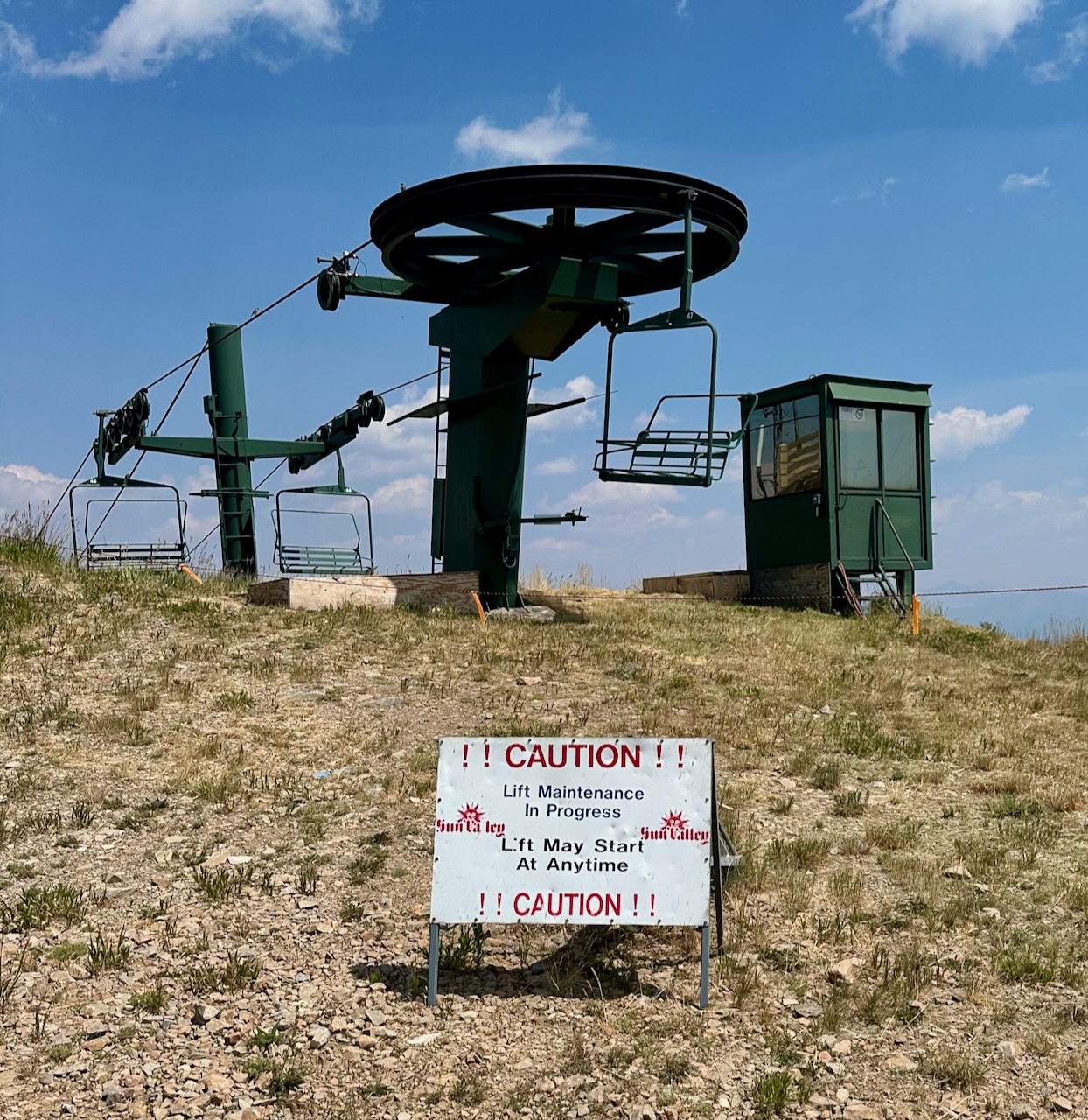
Progress, not perfection, is an insightful mantra. If we wait to act, curate our art too much, or wait for ideal conditions, we might sacrifice the opportunity to progress. It might feel safer to continue our edits, build another version, or seek additional feedback, but this may delay our chance to generate a more meaningful discussion. Of course, we must assess the risk. We can break the fear threshold if the possible outcome leads to personal failure and hurt feelings. If the user’s safety is compromised, it is best to delay until our concerns can be mitigated.

We have learned what an airport looks like, even before seeing the airplanes. Some universal characteristics make it identifiable: the presence of parking garages, rental car shuttles, drop-off and pick-up areas, people with luggage, and air traffic control towers. How might we use some of our common attributes to orient those we serve. If we constructed all the aforementioned features but operated as a dentist’s office, we might confuse more people than we delighted.
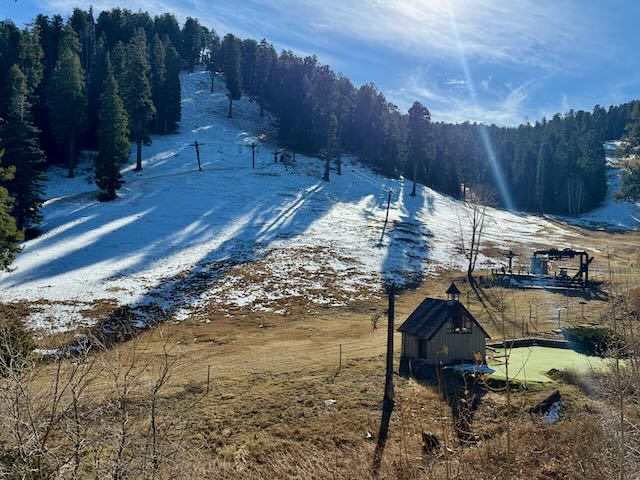
A ski area with 80% coverage of its ski runs might be close to opening, but if the base area is not ready, the lifts cannot turn. However, a ski resort that can take skiers to higher elevations so they can access open terrain might be able to commence their season. Our perception of what is close to happening and what can happen might be less informed by percentages than we realize.
When does service become acts of fraud and self-dealing? When does celebrating volunteers cross the line? What guard rails does your enterprise use to focus on the mission and avoid the perception of a conflict of interest?

A flight attendant briefed our exit row today. They asked for a verbal ‘yes’ that everyone seated in the exit row was willing and able to help in the event of an emergency. There were multiple ‘yes’ responses until one passenger explained that they were an aircraft mechanic well-versed in the exit row door protocols. The flight attendant kindly said, “I just need a yes or no.”
There is a time to share our story and amplify our expertise. Then, there are circumstances when a simple yes or no is all that is warranted. How might we understand when people are seeking a story and when they are complying with policies?
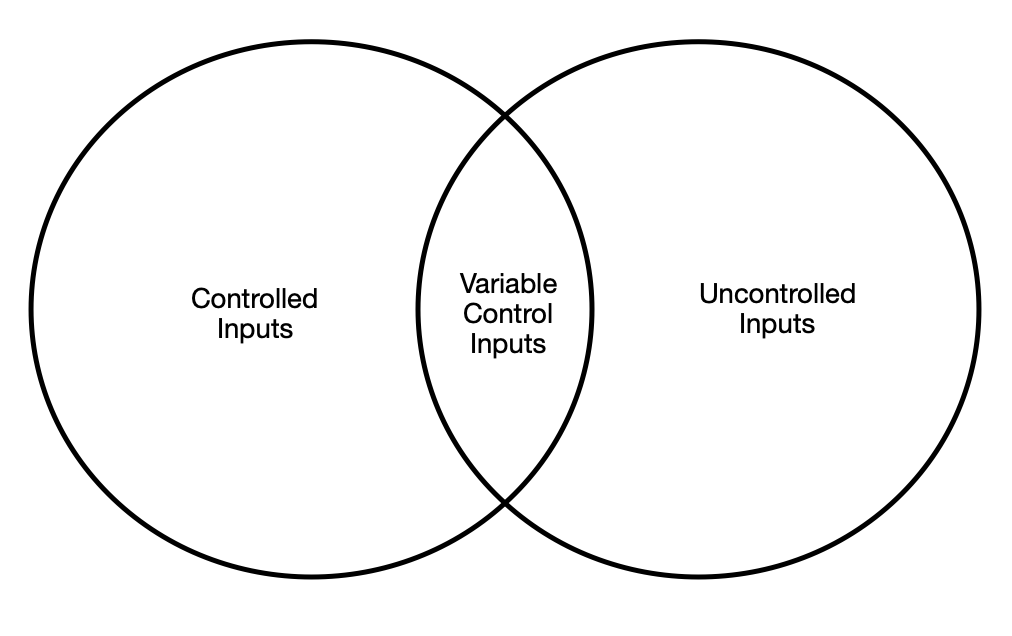
What can you control? What is beyond your control? What falls between these two categories? What if you took the time to map these quickly before your enterprise approves its next budget or decides on resource allocation? What if you started a generative conversation by adding Post-it notes to a larger template of the above graphic? How might our future discussions benefit from agreeing beforehand about what we control and what is beyond our influence?
Thru-hikers planning for one of the ultra-distance trail networks (e.g., Pacific Crest Trail, Continental Divide Trail, Appalachian Trail1, etc.) in the United States during 2025 are working on extensive details. They can control the gear they acquire, fitness level, re-ration boxes, and goals. They cannot control the snowpack, wildlife, availability of trail angels to assist them, or other trail users they will encounter. They have variable control over the distance they plan to cover, hiking partner(s), and probable scenarios encountered based on previous long-distance hikes.
A thru-hiker can spend most of their time on the controlled and variable inputs, leaving the uncontrolled inputs for evaluation as departure day approaches.
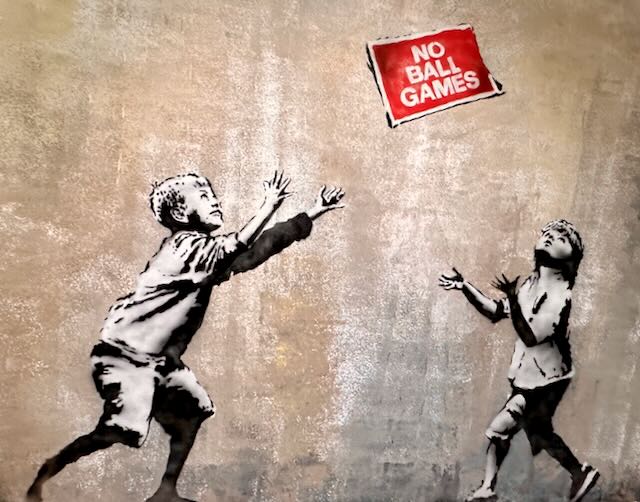
Does your mindset change if you are informed ‘you can’ versus ‘you can’t’? When we are restricted from taking action or proceeding, it may increase our desire to sample the mission we aspire to complete. I have often found more satisfaction in gaining access to an experience that started with ‘you can’t’ or a restriction and ultimately allowed access.
For example, an airport gate agent informing us that the boarding door is closed, and we are denied boarding, only to have the door re-opened to accommodate a crew member, and we are boarded. The flight feels like a reward. Reaching a closed trail which requires us to retrace our steps for miles, only to learn that a seldom-used side trail allows us to proceed. Or an endeavor that we are told we have not acquired sufficient experience to attempt, but we find a support team and complete the quest.
How might we recognize that our motivation may increase expoentially when we first encounter a barrier before we are able to proceed?
 What-if-concepts