Chekhov’s Gun is a narrative principle where an element introduced into a story first seems unimportant but will later take on great significance. The principle postulates that any seemingly unimportant element introduced into a story—an object, a character trait, a backstory, an allergy—should later have relevance. https://www.torontofilmschool.ca/blog/chekhovs-gun-definition-examples-and-tips/
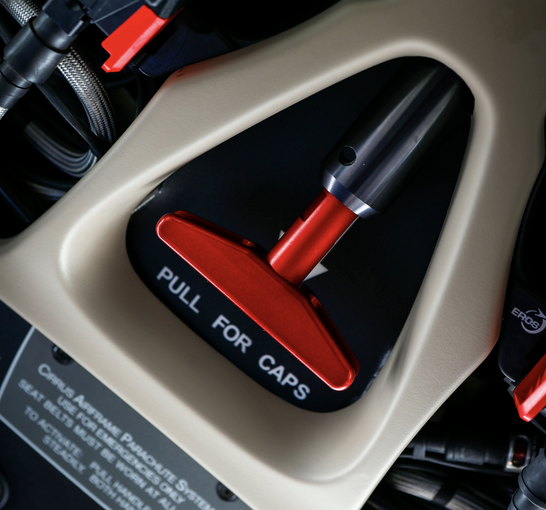
What do you include in your organization’s plan that nods to future activity, and what is identified as a safety device? For example, an organization might title its expansion ‘Phase One’ to reference bigger plans in the future. Circus SR series of planes places a handle to activate a parachute to avoid catastrophic emergencies. Placing a ‘loaded gun’ on the stage can drive the narrative, or it might be a safety measure, with no intention of being deployed.
How might we monitor the intention of the devices highlighted in our plans? Without proper orientation, our team members might be waiting for us to activate the safety mechanism and be disappointed when we launch a future initiative.

 What-if-concepts