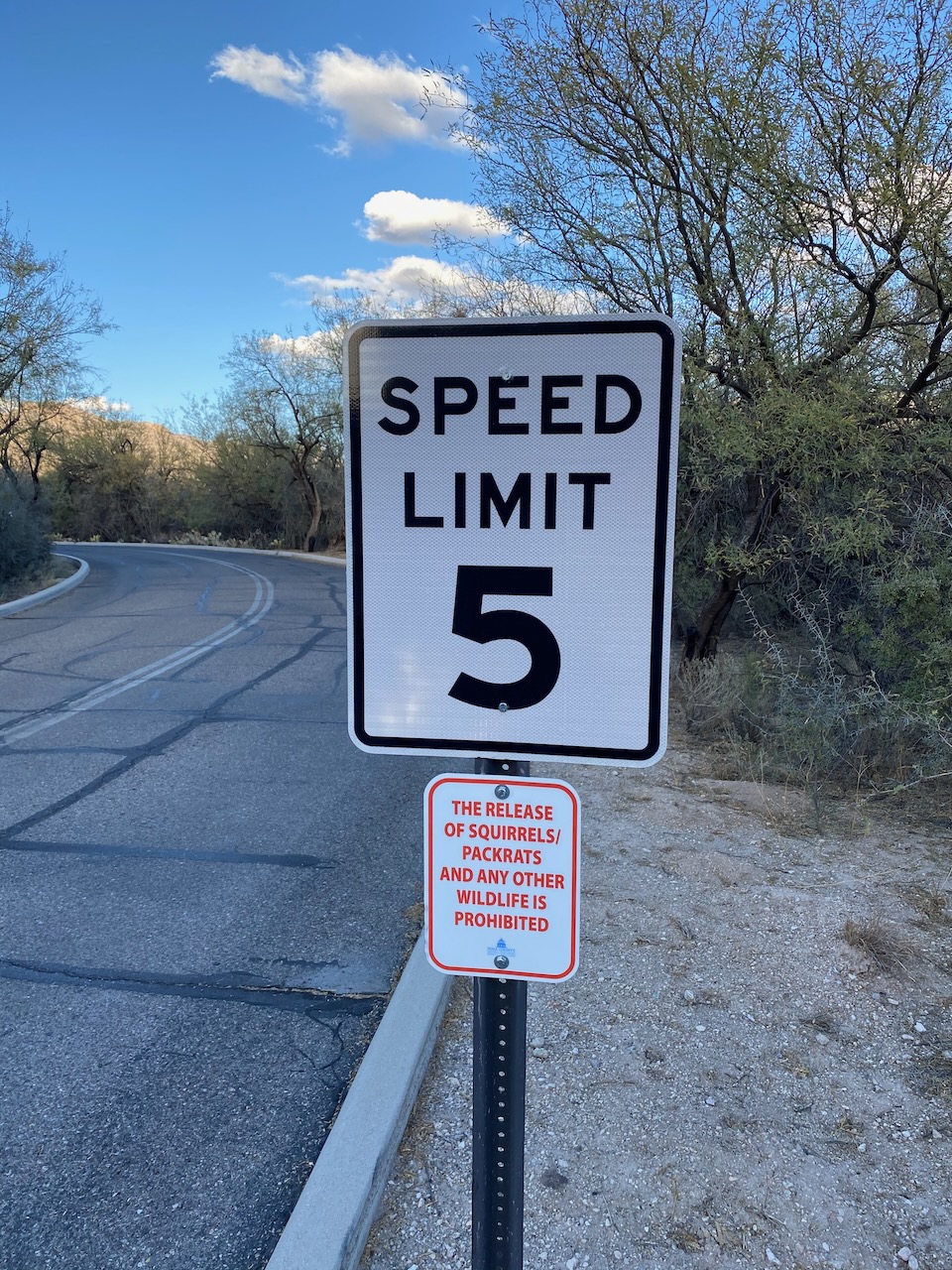
The British Cycling Time Trials group advised cycling promoters to no longer hold time trial events on roads with a speed limit of 20 MPH or lower. This decision is due to safety concerns and is intended to reduce cyclists moving at a speed greater than motorized forms of transportation.
When do governors and limits make sense? Does directing a cyclist to a higher-traffic road with a 50 MPH speed limit from an infrequently traveled rural road with a 20 MPH speed limit so the offset of speed is in favor of motorized vehicles make the most sense? We might place limits to establish norms and expectations. Which of our manufactured rules make sense, and which are easier to defend in a debate so we carry on even when the consequences are misaligned?
I know of a board that had a compulsory attendance rule for meetings. Board members were marked absent even when they traveled on behalf of the organization to events such as a national conference. The rationale was that it was easier to mark the individuals absent in the minutes than to note the board members were on assignment. There were two options in the minute template, ‘present’ or ‘absent,’ but nobody dared to address the unintended consequences and redesign the template.

 What-if-concepts