
Driving off the side of the road does not define our journey. The event adds depth and dimension to our stories.
Driving off the side of the road does not define our journey. The event adds depth and dimension to our stories.

The swimming conditions are not optimal at the reservoir right now, and it is impossible to swim in the designated area. The water level might rise in a month, and the beach will be covered with water. Selecting the best month to swim is a critical step.
If we ask for a philanthropic investment days after receiving a gift, our timing might appear unappreciative and insensitive. If we have not expressed our gratitude, demonstrated the first investment’s impact, and built a trusting relationship, our timing might disrupt future contributions.
How might we balance our proposed actions with a sensible timeline? How might we be human-centered in our approach, so a calendar informs but does not define our next step?

Next time is more than a delay; it might even be a lifetime. Next time is a strategic decision to focus on something else. Next time is passing the last exit on the interstate before the toll booth. There is a high cost to delaying what could be done now. Next time is more than another day; it is a cascade of actions that requires planning and re-routing before returning to the opportunity.
How might we consider what cannot wait for next time? What are the screening statements that allow us to evaluate opportunities in real-time? How might we have the courage to take the path we need to explore today? In his poem, The Road not Taken, Robert Frost presents, “Yet knowing how ways lead on to ways, I doubted if I should ever come back.”
Next time is a worthy rationalization for amusement ride choices, but postponing until next time can be a paradigm shift for the decisions that matters.

Courage is breaking out of the shell and heading on the journey. Confidence is remaining inside the shell and knowing that you will succeed. There is a lot that can go wrong when we adventure out into the world. But the impact of your presence will inspire far more than when fear suggests staying in the shell is the better choice.
What is your latest courageous act? Sometimes, it is showing up and being present, even when you are uncertain how to serve.
More on courage and confidence from Seth Godin and Debbie Millman‘s remarkable conversation.

For years, I relied on SurveyMonkey for my consulting practice. SurveyMonkey changed the security process for members since they believed too many people were sharing their account access. I was blocked from my active survey results for 30-days. I used the same device to login but employed a VPN and therefore hit the trip wire of 10 different user login sessions, an automatic account freeze. Customer service finally released the lock-out on the final day of my annual billing cycle, stating their new measures were for my security but using a VPN was not acceptable, even if it provided me more secure access. I did not renew after 20-years of doing business.
National Rental Car charged me a one-hour late fee for returning a rental car before the return time listed on the contract. Since my inbound flight arrived early, I picked up the car a little earlier than expected, which reset National’s calculation of the time frame for a one-week rental. No associate mentioned the adjusted return time, so I was surprised to discover that an early return was deemed late and would trigger a fee. When I suggested I was curious about the circumstances and disappointed, I was told customer service would contact me, but nobody ever called.
United Airlines changed my schedule for a future flight, and a 90-minute layover is now 7-hours. When I attempted to change the itinerary, United tried to charge a fee to redeposit the award miles and rebook the ticket. I had done the work to find a more direct, less layover intensive itinerary option that required more miles (which I was prepared to use). United claimed I could accept the 7-hour layover option or cancel, but I could not change the ticket to a better itinerary. United’s website stated I was eligible for a one-time schedule change without a fee.
These are minor inconveniences. High-quality problems. But they break the cycle of trust and promise. I promised to do business with these organizations and choose them over others, even when their price is not the lowest. They pledge to honor my loyalty with some accommodations and benefits. I would rather they say, ‘you are a number, not a relationship,’ than the promise to do better and disappoint repeatedly.
What is the minimal viable group that you can serve and thrive? When we attempt to scale, the numbers might look great, but the opportunity to disappoint grows exponentially. Like a snow storm in May landing on trees in full foliage, the added burden may break the trust you aspire to build.
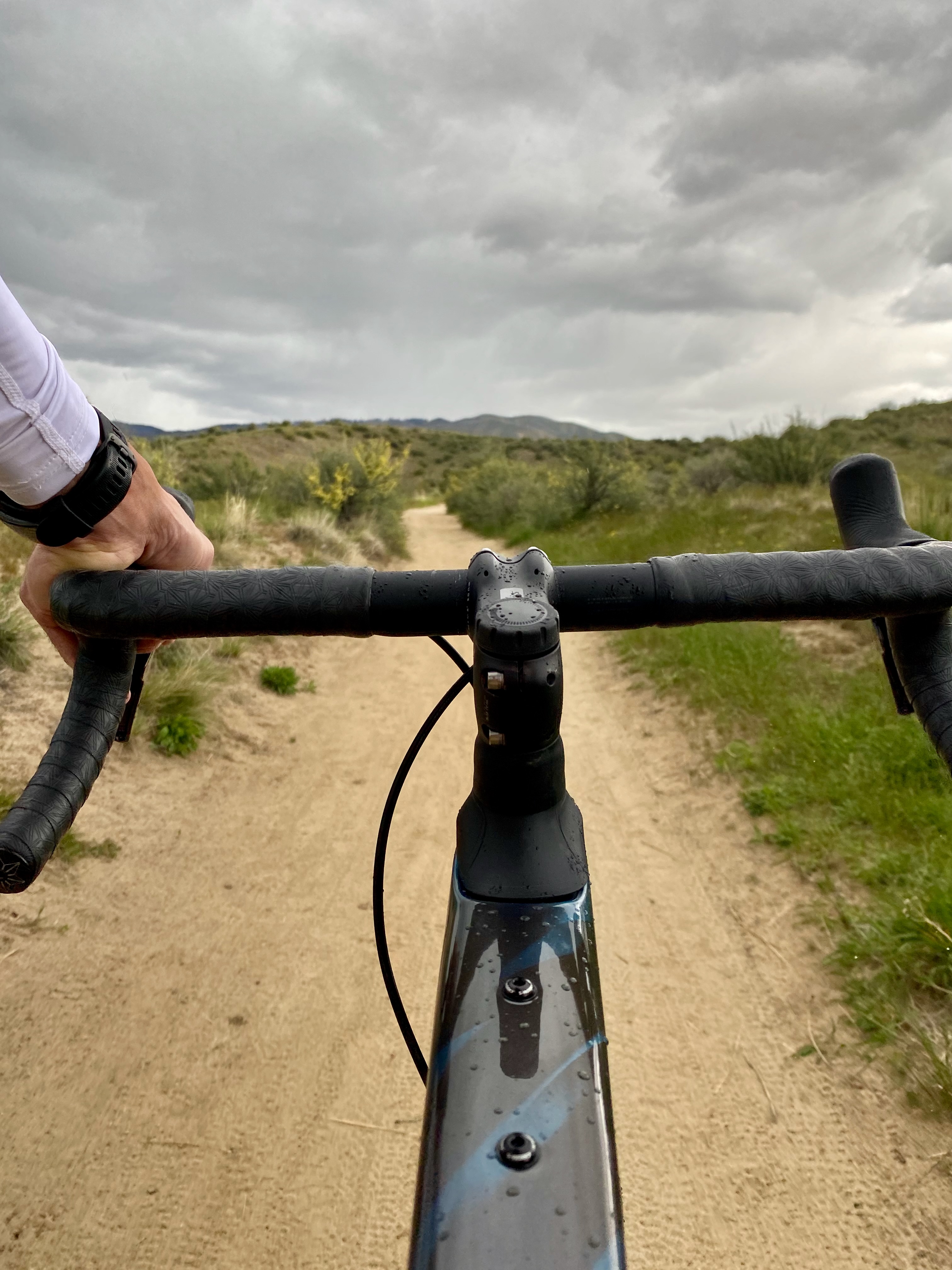

Why travel a road to nowhere? Why does it even exist? Is somebody’s nowhere somewhere? Have you discovered that the scenic route often reveals new insights that the main road cannot deliver?
We’re on a road to nowhere
We’re on a road to nowhere
We’re on a road to nowhere -Talking Heads
Apparently the road to nowhere was worth a song. Perhaps it is worth exploration.

If we are committed to what we believe, we are willing to restate our purpose repeatedly. We are OK with the quick pick option if we consider it a game of chance.
Which core values are you not willing to sacrifice because they are fundamental to your quest? Which tactics are considered a roll of the dice? If we are not playing the same numbers in every drawing, then we should recognize the outcome does not matter. We have signed up for the adventure, but the work that matters comes with dedicated effort.

At first glance, the scene we encounter might look coherent—a plane departing a runway. Then we recognize the plane is a shadow and the ‘runway’ is a street grid for new housing development. Just because it rhymes does not mean it parallels reality.
How might we remain curious when our first glance seems to confirm expectations? How might we adopt a mindset to make room for variable and serendipity? How might we uncouple past performance from future results?
We can shock potential clients into doing business with us by leveraging scarcity, networks, features and benefits, FOMO, etc. Most of these interactions tend to transactional. We can encourage a potential client and allow them to approach us when they are ready. We can offer, growth, significance, connection, clarity, and trust. Many of these engagements tend to be transformative.
Shock vs encourage. Shock is quick and reaches the decision threshold immediately. Encouragement takes time and investment and create alignment to inspire the work that matters. What type of work are we seeking? How do you want to fill your schedule and are you willing to leave blank spaces on the calendar until you find the right partnerships?

