Navigation

Symbols

Navigating relies on our ability to piece together clues and landmarks. A well-placed symbol might set us up for success in a country where the language is unfamiliar.

How might we use language and symbols to help our fans navigate? How might our websites, social media, publications, events, and programs clarify where to find us? When we create unintended barriers to entry, we start encounters with frustration and confusion.

Amplifying “Can’t”

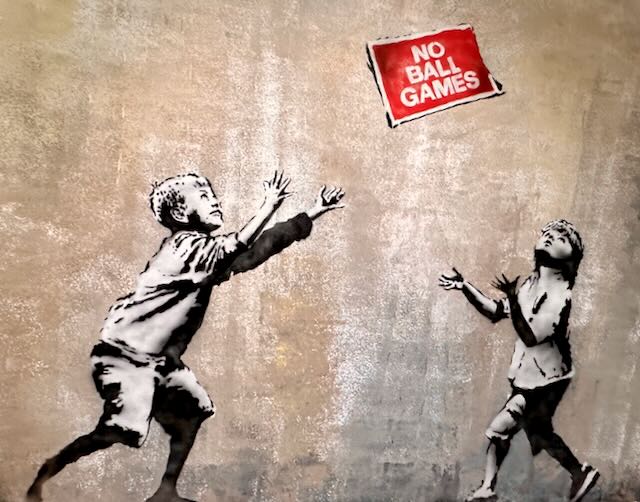
Does your mindset change if you are informed ‘you can’ versus ‘you can’t’? When we are restricted from taking action or proceeding, it may increase our desire to sample the mission we aspire to complete. I have often found more satisfaction in gaining access to an experience that started with ‘you can’t’ or a restriction and ultimately allowed access.

For example, an airport gate agent informing us that the boarding door is closed, and we are denied boarding, only to have the door re-opened to accommodate a crew member, and we are boarded. The flight feels like a reward. Reaching a closed trail which requires us to retrace our steps for miles, only to learn that a seldom-used side trail allows us to proceed. Or an endeavor that we are told we have not acquired sufficient experience to attempt, but we find a support team and complete the quest.

How might we recognize that our motivation may increase expoentially when we first encounter a barrier before we are able to proceed?

Idea or Reality

Are you making choices based on an idea or reality? If a snowstorm is forecasted, do you amend your plans in anticipation of the storm’s impact, or do you wait until there is sufficient accumulation to hinder your progress? If you take precautions and the total snowfall is minimal, the journey could have continued, and being off-trail feels unnecessary. If you press on and the snowfall is significant you might find yourself trapped at high elevation with few options for safe retreat.

How do you assess an idea versus reality? How much priority do you assign to one over the other?

Backlight

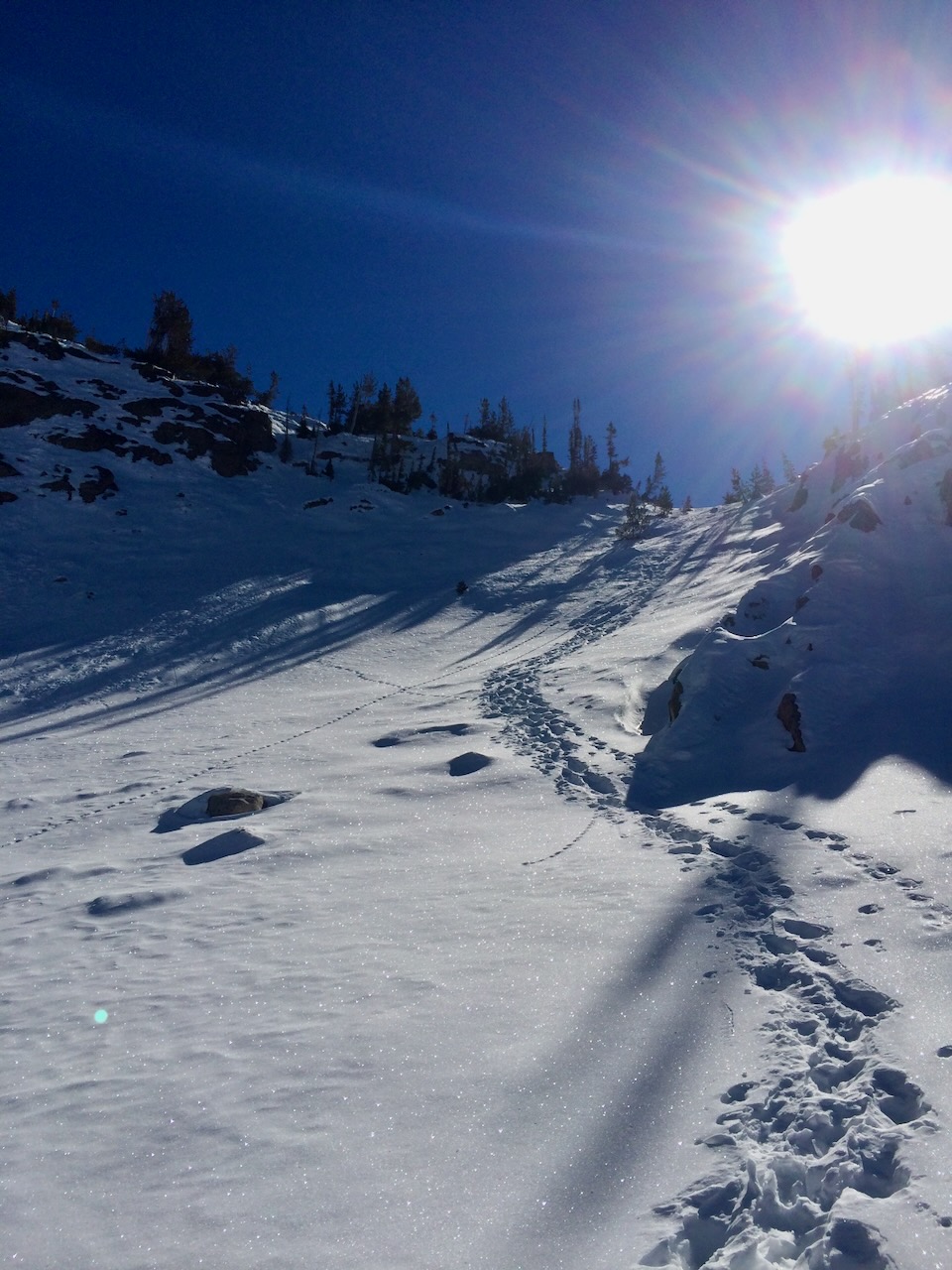
What perspective becomes visible when you add backlighting? How might we use different approaches to consider an idea instead of approaching from the same direction at the same time of day? If you head out on a night hike, navigate in a snowstorm, or work from poorly scaled maps, you experience alternate ways of traveling.

How might we occupy diverse vantage points at irregular times of day to see the terrain ahead in both ideal and challenging conditions?

Interpreter of Space

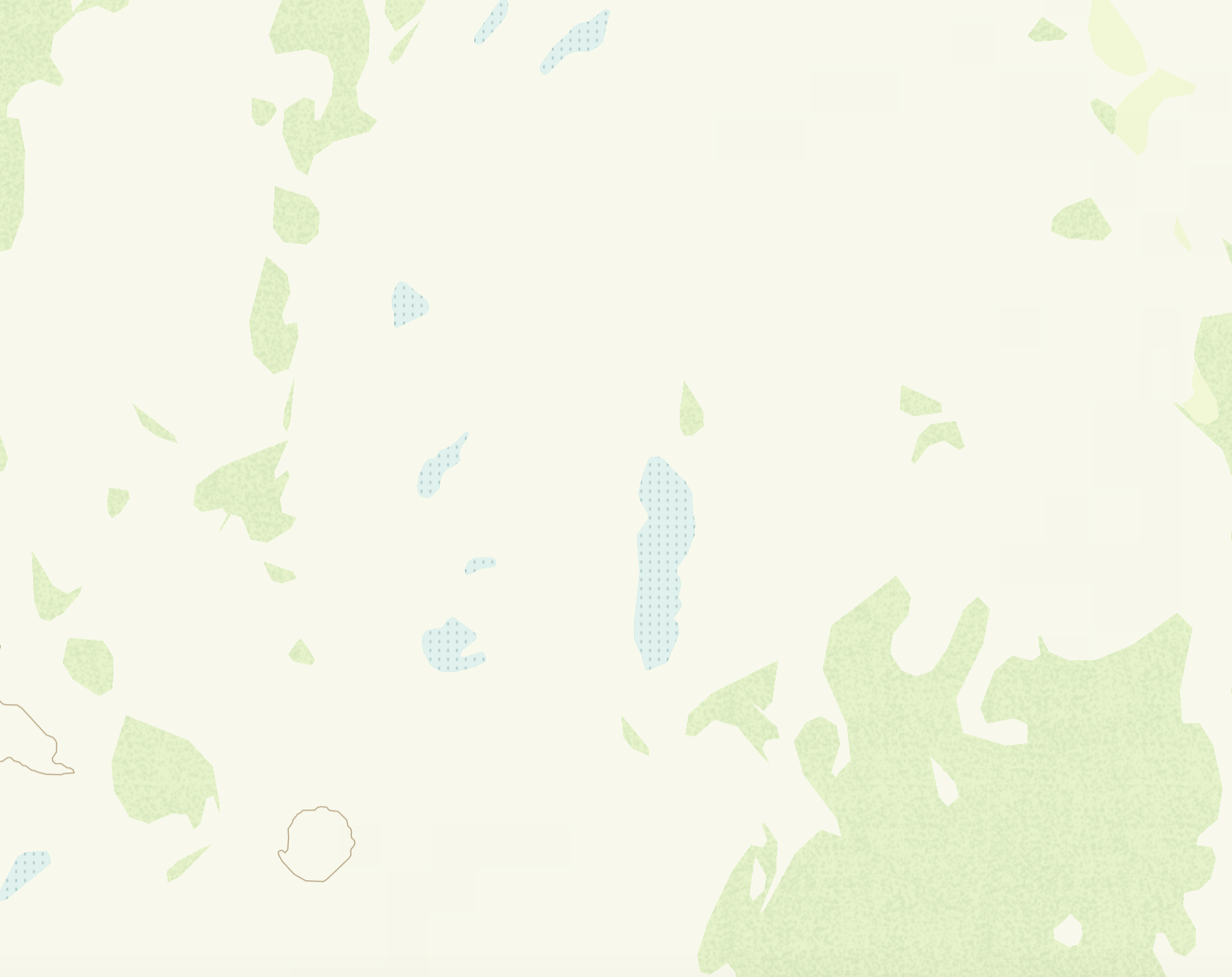
Who is your guide to navigating the terrain ahead? Who can interpret the spaces and blank spots on the map? Roadside attractions are easier to reach with their interpretative signs and pullouts. The landscapes that lack features often test our wayfinding skills the most. How might we prepare for the isolated and desolated sections of our journey with as much care as we commit to reaching the iconic summits?

The Road Ahead Is Blank

The road ahead is blank, and the lines of his thoughts all incline inwards.

All the Light We Cannot See

Are we traveling on previously constructed roads, or do we gravitate toward blank spaces on the map? Are we focused on what the landscape reveals to us or what the terrain reveals within us? How might our thoughts reveal confluence points with the landscape we inhabit?

Dashboards

What information do we need to be tracking? How much data do we need, and at what frequency? How do we balance doing the work with being reflective of the metrics? Do we need a snapshot or a deep dive into the numbers? 

Quarterly reports, guidebooks, heads-up displays, and forecasts are helpful if we know how to apply them to the terrain we encounter. Otherwise, it is easy to steer the enterprise onto an abandoned dead-end road. Many of us have made ‘great time’ during our travels while headed in the wrong direction.

Uncertain But Willing to Ride

I have not ridden this section of road before, and I am not sure it connects to the next trail I intend to ride. If the route does not exist, I must return the way I came. If the trail is rideable, I am uncertain it will take me to the next valley where I have previously adventured and know the landmarks. But I press on, uncertain but confident that I can find my way or reach a vista that provides context for the journey.