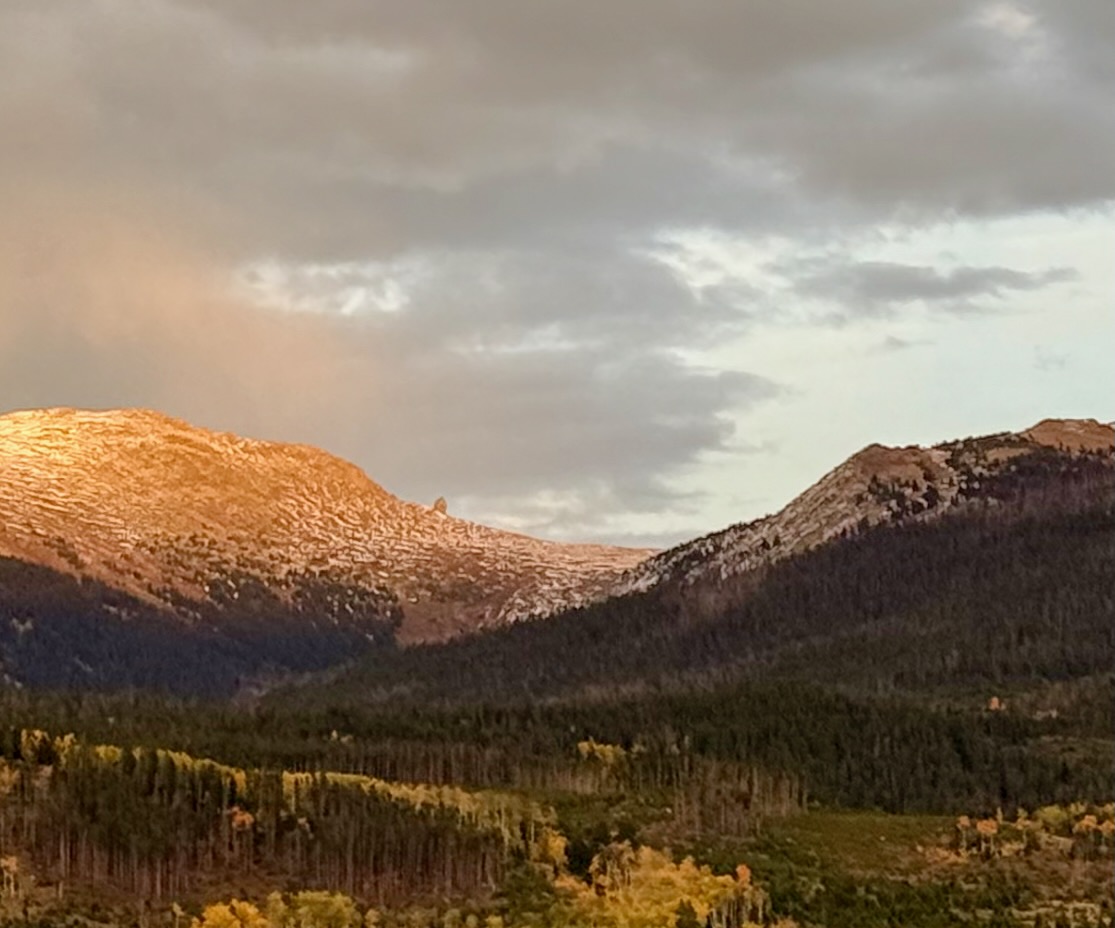
As we move closer to objects, our perspective may change. As a kid, there was a rock formation that I forever believed to be a pile of rocks sitting perfectly on the saddle of the Continental Divide. However, one summer we hiked to the pass, and when I got closer, I realized my perception and reality were not aligned. A spire of rocks hung off the side of a cliff face on the far side of the saddle, but when viewed from the valley, it became a prominent landmark.
Perspective
Perspective
Show Your Work
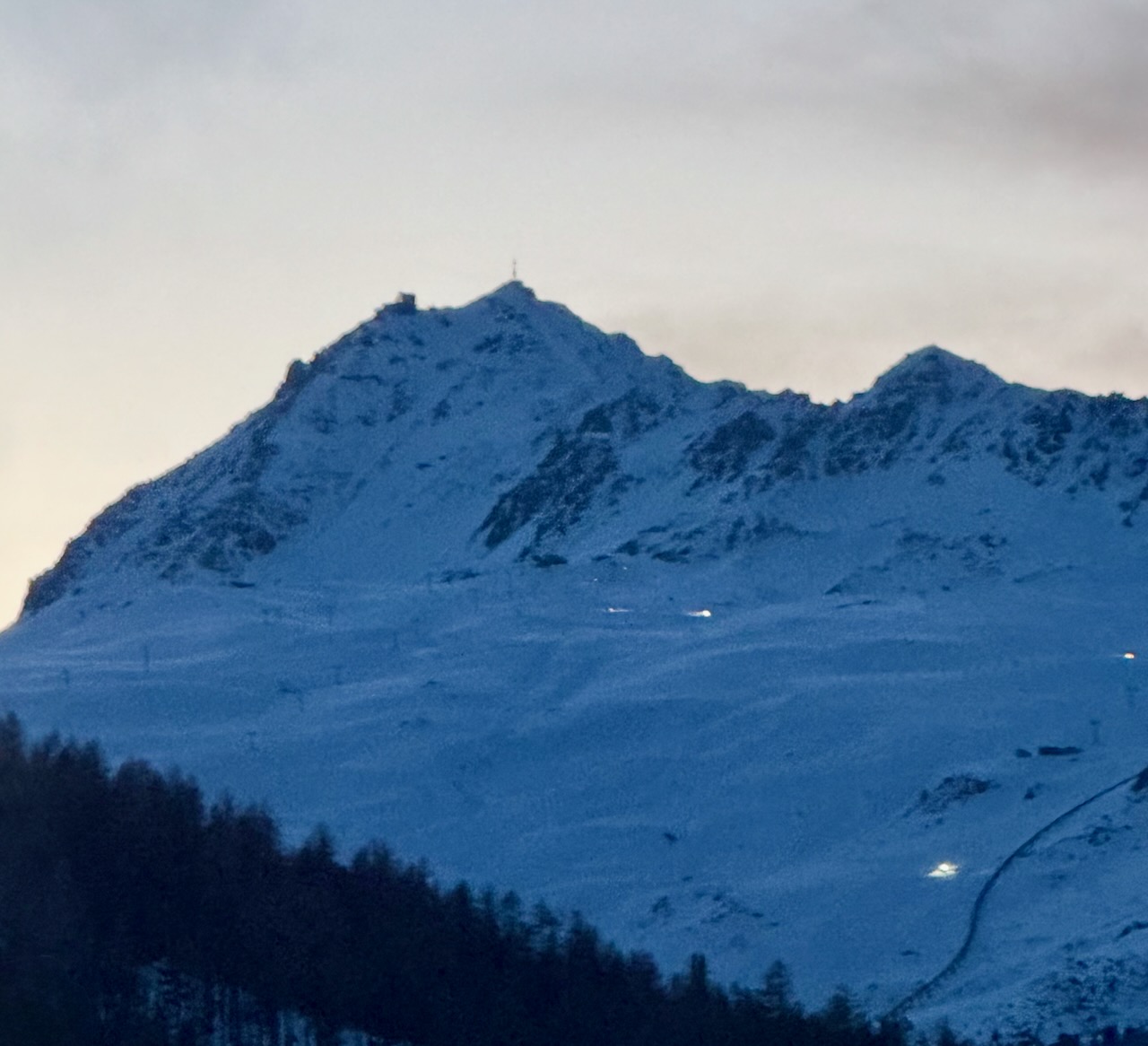
Grooming at larger ski resorts typically takes place in the evening. With the addition of halligen lights, grooming cats illuminate the night sky. Spend a few moments, and you will see their work in progress. Even when the mountain’s scale is hard to comprehend, knowing their overnight labor is tomorrow’s joyous adventure is rewarding.
Light and Shadows
Perspective


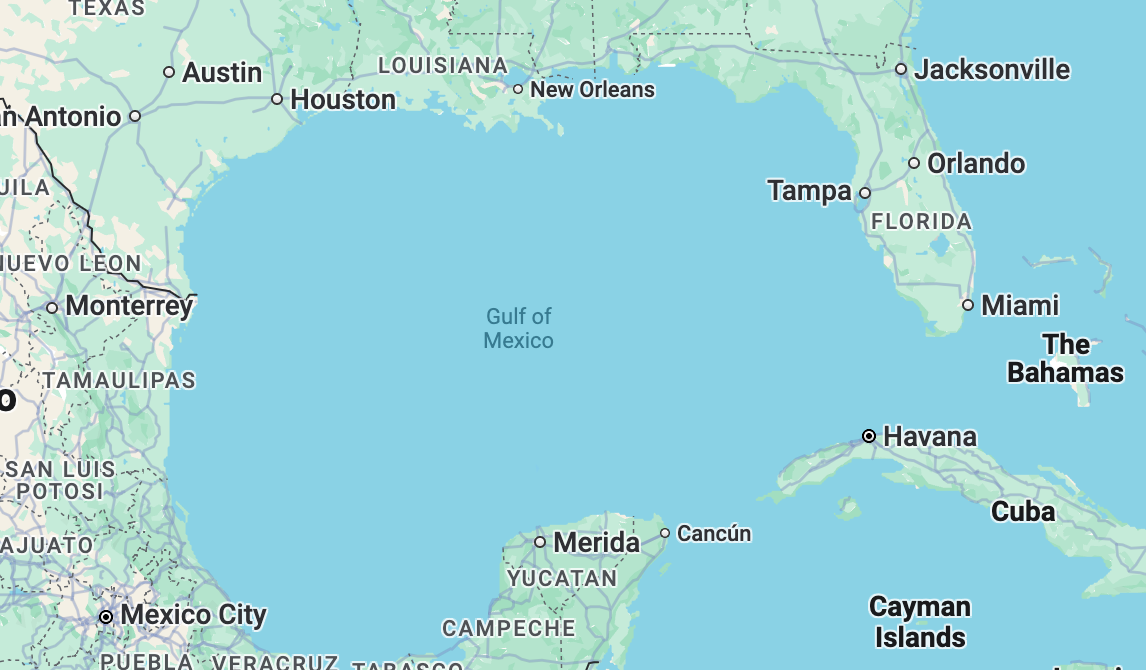
If you search Google Maps for the Gulf of Mexico, you will generatedifferent results depending on which country your search originates in. A United States search delivers the Gulf of America, and a search in Mexico reveals the Gulf of Mexico. Regardless of the politics behind this naming dispute, it is a quick illustration that we might see the same thing but have different ways of articulating the answer.
The Gutter
Gutters help keep the primary travel surface free of debris and precipitation. They collect everything from snow to trash to lost treasure. We barely see the gutter if the central lane is free of obstacles. But we reach a liminal zone when forced to navigate using the gutter due to hindrances, too many pedestrians on the sidewalk, or to evade collision. Gutters serve as thresholds between different forms of travel. Until we venture into one to expedite our journey or utilize it in an emergency, we rarely pause as we cross this boundary.
However, it can become emotional when forced into the gutter to accommodate a person or object deemed a priority. For example, proprietors may claim sidewalk space for their enterprise and route passersby into the gutter as egress. A poorly parked vehicle that
Navigating by gutters can add to our journey: it can make room for a wedding party spilling out of a church, creep past a fire truck engaged in emergency services, or accommodate a new neighbor moving into an adjacent property.
How might we recognize that how we position and communicate a detour, a reroute, or a temporary barrier may be interpreted in various ways?
Air Traffic Control vs Air Plane Passenger
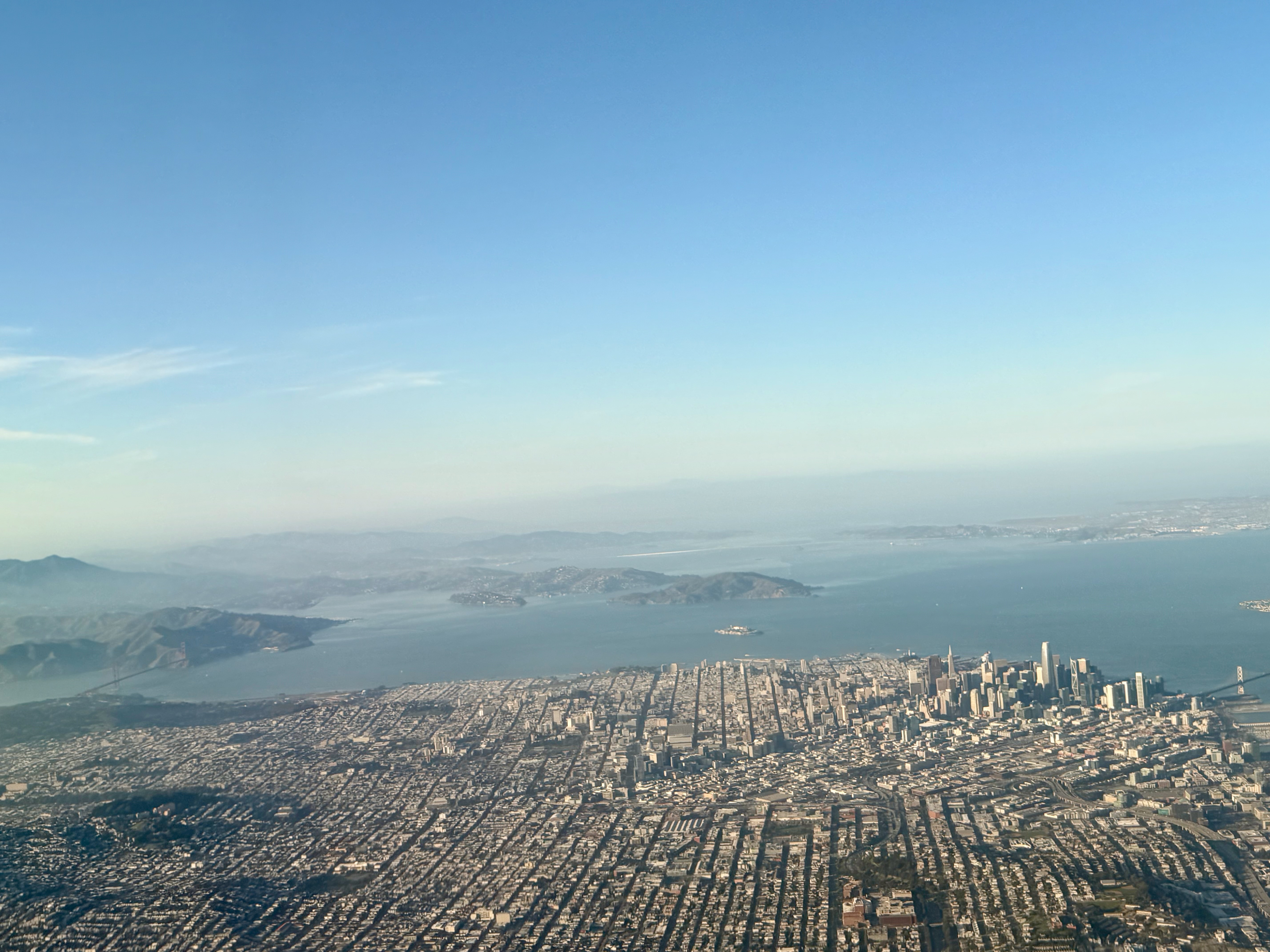
The differences between an air traffic controller and a passenger on a commercial flight are numerous. One of the most important is that the controller has a perspective on the entire sector. As a passenger, there is little awareness about the actions and intentions of other aircraft. Passengers are afforded a spectacular view of the surrounding scenery, which the controller does not get from looking at their screens.
How might we amplify the strengths of each role we inhabit without trying to make them overlap?
Relative
Speed is relative. When running on the promenade deck of an ocean cruise boat, we get a peculiar GPS recording. The ship’s forward momentum might be faster than our average pace, so we progress across the ocean, even when our run changes to walking or standing. Viewed by a passenger sitting in a deck chair, our running speed might be assessed at 8 mph. Seen by a lighthouse tender as the vessel passes close by, we are estimated to be moving at our running pace, plus the ship’s speed. Now, our relative speed might be over 25 mph.
How might we recognize our perspective is relative? We see things from a unique perspective, and our assessment is relative to location. What may feel fast, slow, big, small, daring, safe, lonely, crowded, remarkable, or average is relative.
Backlight
What perspective becomes visible when you add backlighting? How might we use different approaches to consider an idea instead of approaching from the same direction at the same time of day? If you head out on a night hike, navigate in a snowstorm, or work from poorly scaled maps, you experience alternate ways of traveling.
How might we occupy diverse vantage points at irregular times of day to see the terrain ahead in both ideal and challenging conditions?
The Rules of Buck
In my early teen years, my parents owned a buckskin quarter horse (named Buck) who had lived a traumatic life before arriving at our barn. He had been starved one winter, receiving too little hay to survive. In response, he ate his hay from the ground by standing over it and working backward, prepared to kick any horse who came up behind him. He propelled to a gallop the moment one put a foot in the stirrup, a neat trick for a cowboy who wanted to make a fancy exit but not ideal for recreational horsemen. He had frequently been caught by a cowboy who threw a lariat to capture him from a herd of running horses. In turn, we built a small side corral to trap Buck for our rides and slowly haltered him, despite his constant threats of bolting. We had a mental list that was referred to as the ‘Rules of Buck.’ Every month or so we added a new entry. For example, while on a trail ride, my Dad attempted to put on a raincoat when the weather turned. Buck bolted and only settled when the slicker was dropped. We later learned Buck had been used at hunting camp to pack out harvested and quartered elk, which were secured to him on a pack saddle and covered with a tarp that resembled a raincoat. The joys of riding Buck outweighted the numerous rules but he required empathy and a compassioante approach.
We are all a bit like Buck. Past events inform our current mindset and perspective. What rules have helped you succeed, and which do individuals unknowingly violate? Where has empathy and compassion allowed you to progress in arenas that might have been unimaginable in a just proceed forward approach?