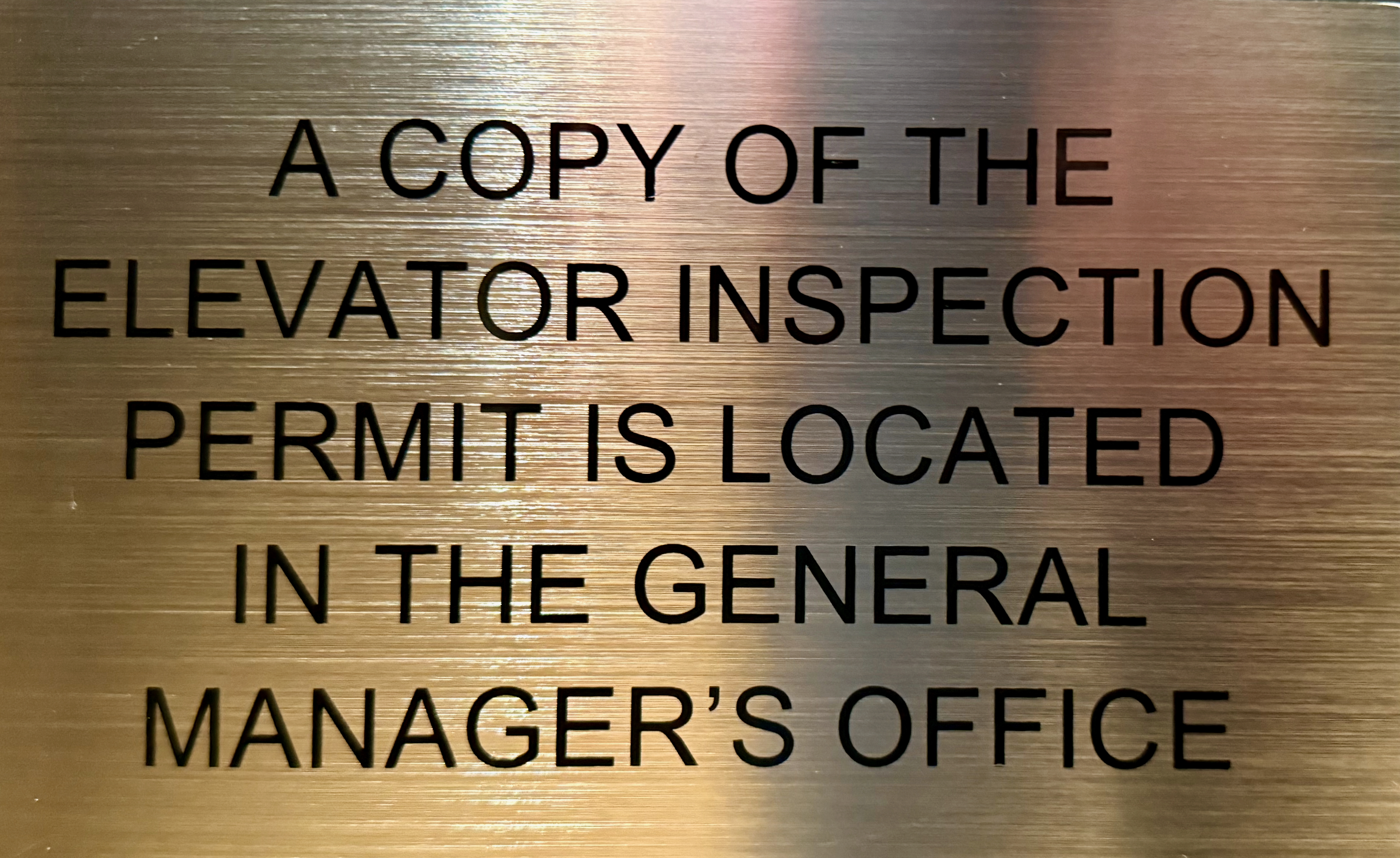
What information in your enterprise is technically available but not as accessible as possible? Annual reports, tax returns, state/federal filings documents, meeting notices might come to mind. How about the bread crumbs for future boards and staff about why and how decisions were made? How might we avoid creating a version of the game Clue by leaving things in places where others can find them?

transparency
Multiple Security Sectors
When traveling through an airport and required to navigate repetitive security sectors, does it make you feel safer or more frustrated? What deficiencies exist in the first round of screening that require a second or third round of reexamination? What is the probability that upon repeat investigation, a prohibited item or dangerous motivation will be discovered?
Multiple checks are embraced in context. Headed to surgery, multiple confirmations of the patient’s identity and procedure are appreciated. Being asked if you have accepted an item from a stranger in the five minutes between security stations brings up questions about the quality of the previous screening phases.
How might we balance providing security while establishing trust in the process?
Balanced Protection
What needs to be kept behind locked doors, and what is strategically public at your organization? Some organizations prefer to keep more information secret when in doubt. Transparency allows for fewer unknowns, which reduces the number of people who make up facts in the absence of answers. There is necessary information that requires confidentiality, but a posture that is too shielded tends to raise questions.


