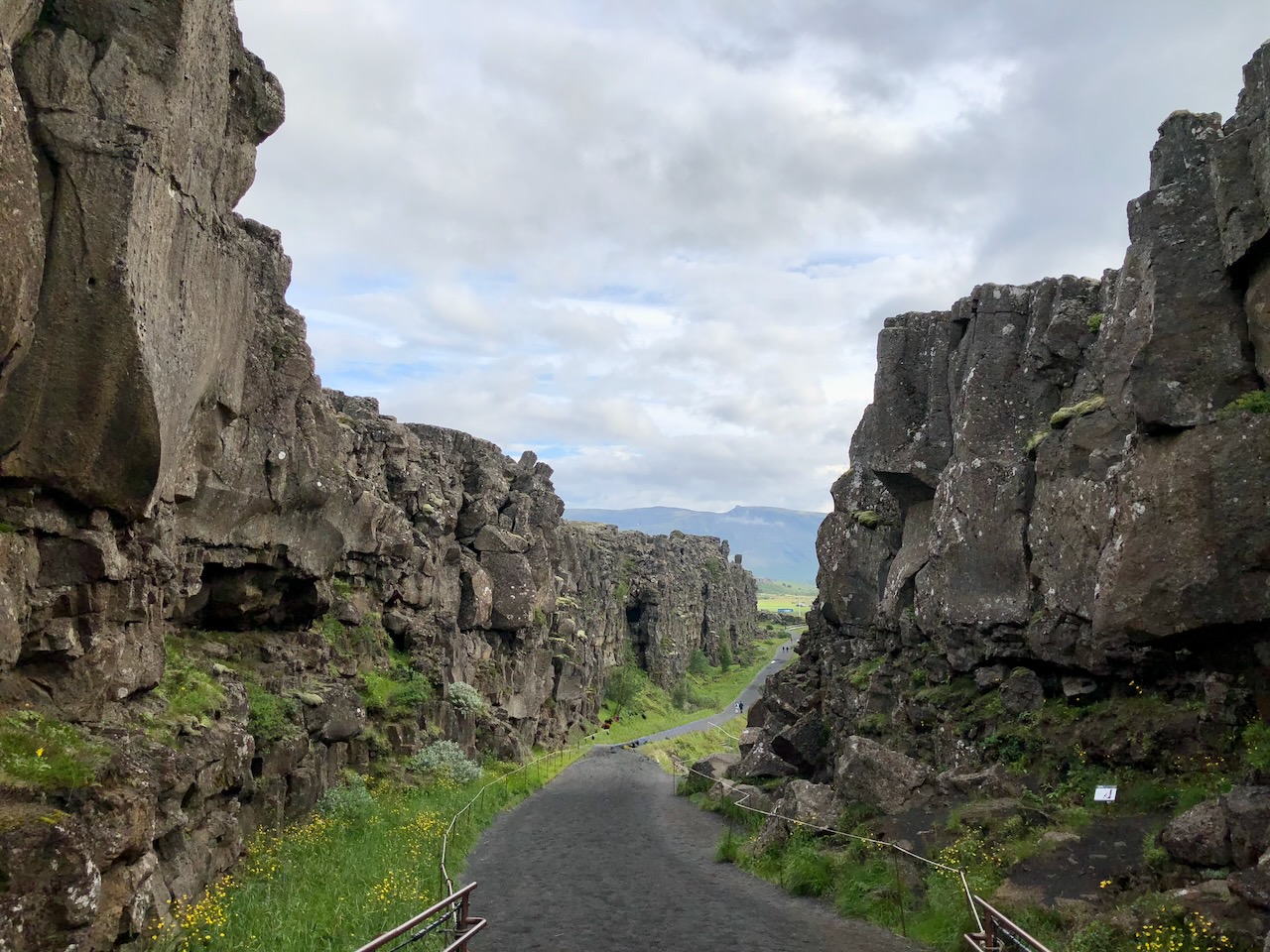
If we build on a fault line, expect dynamic experiences. If we desire stability, we may need to seek more durable ground. Flying into my city earlier this year, I spoke with my seatmate who worked as a facility manager, building served farmers (data centers). He was overseeing the construction of a new center outside the town. I asked him why his company picked this location, and he stated that it met four critical criteria: geologically stable land (i.e., limited seismic activity), a good source of inexpensive power (hydro and wind), less expensive land, and the cost to build was attractive. The exact property would not work well as a prospective site for a geothermal pool or a national park that contained geysers.
Where we work may influence our impact and ability to establish a stable foundation. A ski instructor has more prospects in the mountains than being based in the tropics. A social service organization might likely thrive in a region with an established nonprofit center and a community foundation. If your cause is a search and rescue organization, it exists on the frontier between emergency services and volunteer resources. The business model demands working in dynamic settings and functioning on fault lines.
How might we assess where our services are most needed within a community? How might we be willing to migrate if the need has relocated?
 What-if-concepts