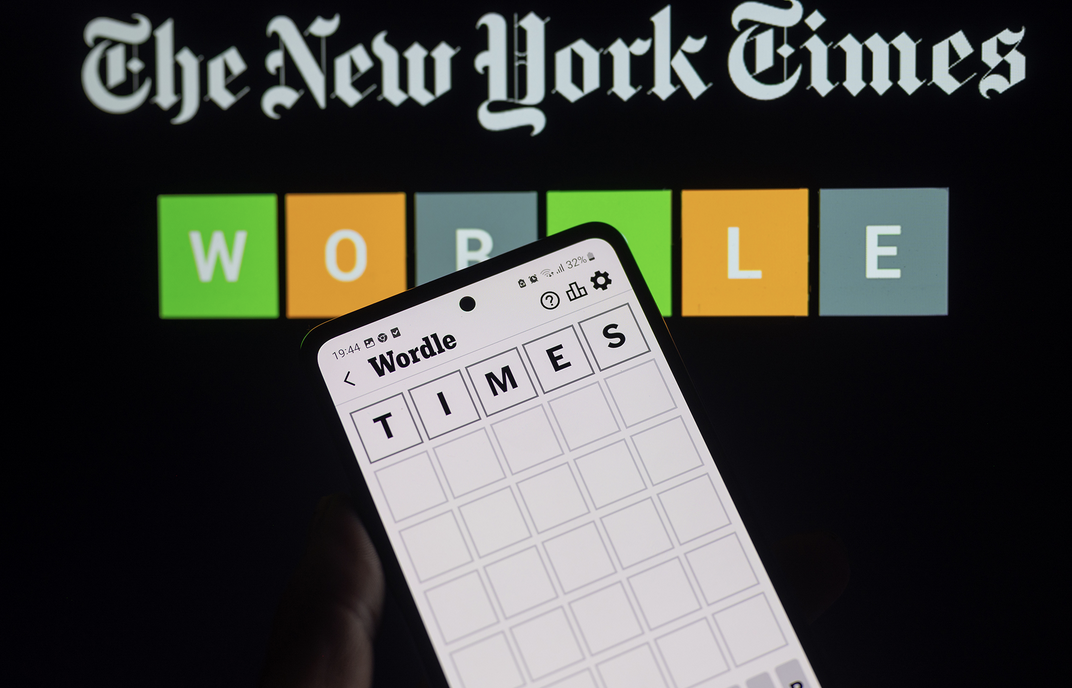
After playing the New York Times Wordle, I open the Wordle Bot to gain insights into my results. The bot generates screens, including metrics and feedback on my guesses as I attempt to solve the puzzle. It is quick and easy to access.
After a consulting engagement, I will ask the client for feedback on what went well, what could have gone better, and areas for improvement. It is typically productive and allows for improvements and a better understanding of what was overlooked. This type of feedback can feel much more vulnerable and create areas of misunderstanding.
Because the bot is AI-generated, the feedback feels less emotional and somehow data-driven. Feedback from a client is human-to-human and not only assesses the work produced but also engages the human relationship.
How might we find the right balance when seeking feedback? How might we recognize that the environment we work in may impact how feedback is delivered? In an emergency room, feedback is often brief, definitive, and directive because interventions must be adjusted or corrected immediately. Working with preschool children often dictates a more passive and empathetic approach.
How might we support and engage our teams with evaluations that foster engagement?

