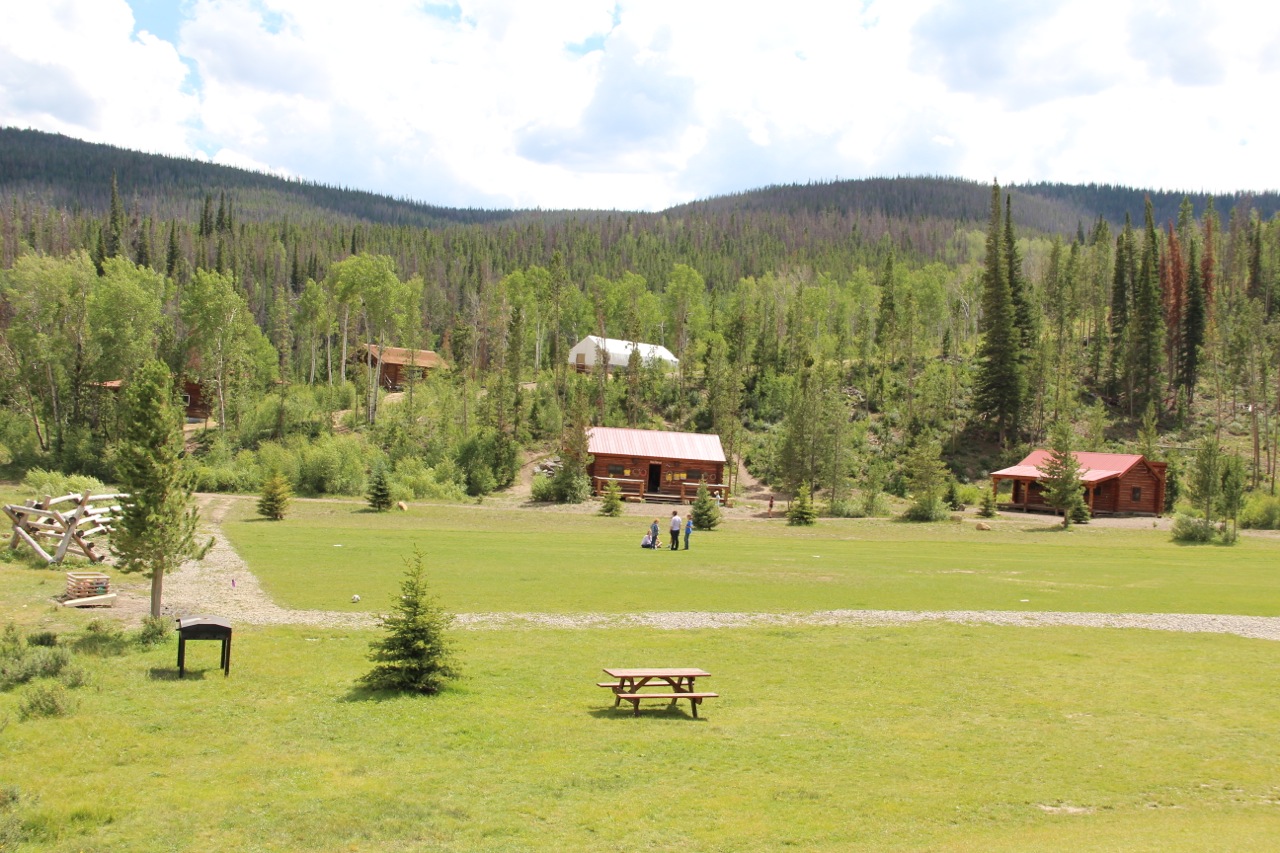
What would you do today if it was your first day of summer camp?

We all have rights. We all have the opportunity to act responsibly. Too often we shout about our rights without asking ourselves if we were responsible.

Reading the book Ignorance: How it Drives Science by Stuart Firestein. There is a remarkable line that the author attributes to neuroscientist John Krakauer.
Two of his mantras are that “plants don’t have nervous systems, because they don’t go anywhere,” and “the reason to exist is to act.”
Placing these ideas in the context of a cause, they illuminate the fact that actions feels rewarding. Even when it may not be the best step, perhaps driving around a new town looking for a hotel or gas station late at night versus stopping to ask directions. Out nervous system is seeking movement and therefore we can only stand planning in reasonable doses. Striking the balance between strategizing and acting is essential for keeping the members of the tribe engaged and connected to the cause.
This insight provides me with a paradigm shift about how to schedule meetings, planning retreats, and gatherings. Fans need appropriate opportunities to celebrate action and reflection.
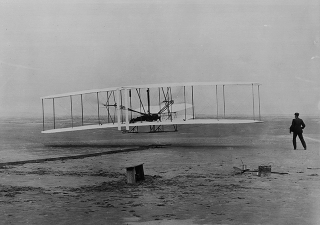 |
| No seat belts? |
 |
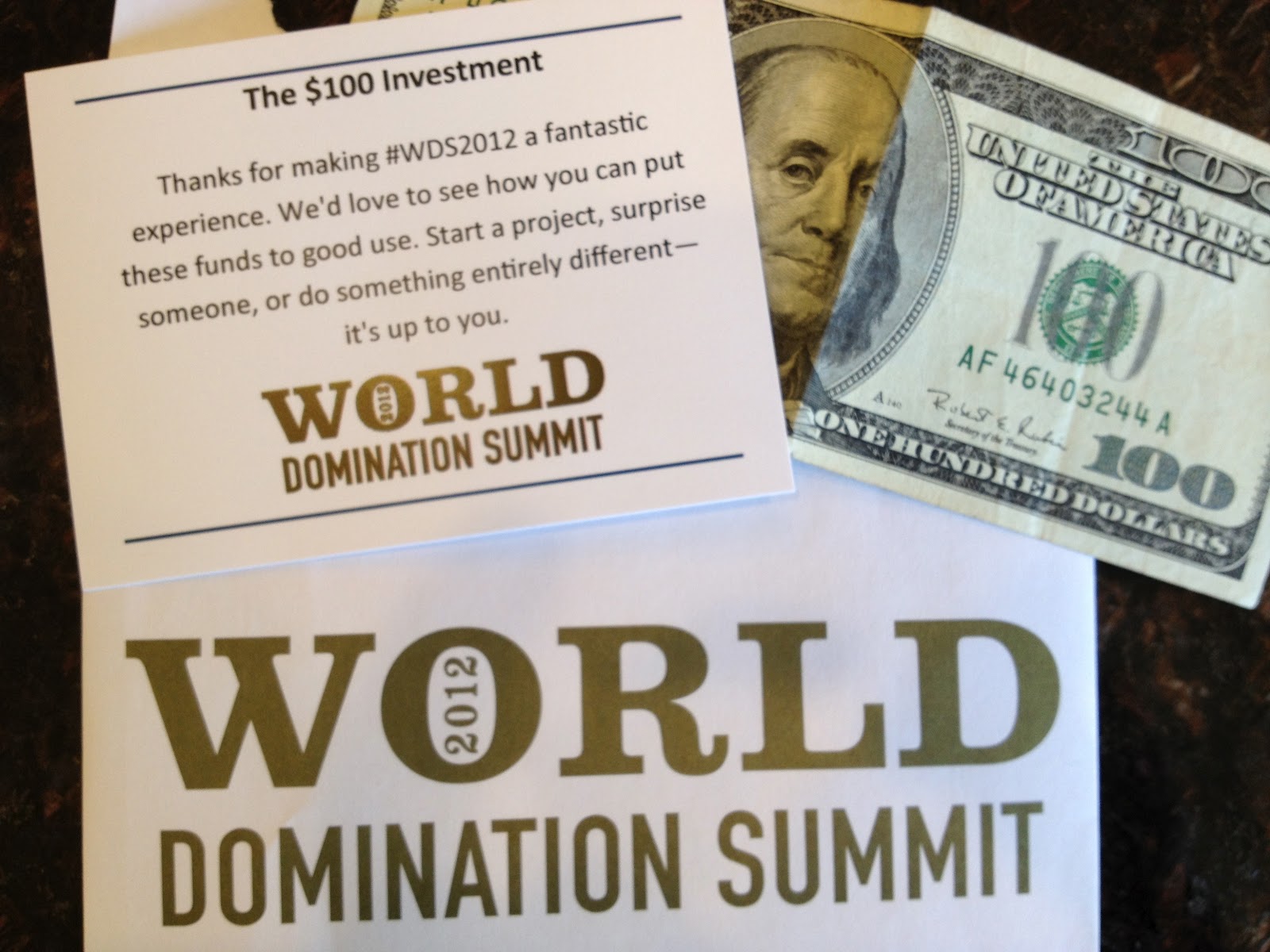
| Something special in July |
Swiss World Champion and current Tour de France yellow jersey wearer (awarded to the leader of the race after each stage), Fabian Cancellara responded to a question about his chances of winning the three-week stage race, “I’ve already said many times about the Tour that winning it is a dream and not a goal. Those are two different things. That’s why winning the Tour will always remain a dream for me. I won’t work for a dream. I have goals and there are some big classic races that I still want to win, and those goals are possible.’ It is essential to maintain clarity about one’s desired destination otherwise every intersection requires a pause or a full stop to evaluate the options and in the sport of cycling this would mean never winning a race.
Do you have clarity about the outcome you have selected? Are you focused and committed to reach it? If not, then a few days in ta yellow jersey may offer a temptation to change the destination. Exchanging the greater goal for immediate success and victory eliminates some unknowns and reduces fear of failure. Why not take the champagne and flowers awarded to the winner? This does not mean abandoning opportunities that present themselves in the course of pursuing the great goal. Cancellara is going to defend the yellow jersey as best he can but he is realistic about the type of training and focus it would take to be a true contender in the Tour. When the race reaches the mountains tomorrow there is good chance the maillot jaune will slip from his shoulders but it will have been in pursuit of something greater.
Are you pursing dreams or goals?
 |
| Too Big to Fail? |
BBC radio interviewed a past member of the British Government speaking about the failure of leadership at Barclay’s bank. At a recent panel discussion the former official said the financial sector had moved from “too big to fail” to “too big to behave.” This sentiment caught my attention. How often has social sector scandal erupted when an organization or an individual became too powerful and suddenly common sense and regulation were tossed aside to keep a ‘good thing going?’
If you have assembled a committed group of followers they will be quick to reenforce and remind leadership of the group’s values. If the group’s point of intersection with organization purpose is unclear there is a vast frontier of possible values. The lawless western town becomes run by those that can manipulate the community and too big to behave is the lowest common denominator.
How do we ensure that we are creating tribes that have clear points of confluence and commitments?
President Obama prefers a teleprompter, David Letterman is a fan of cue cards, speakers at the TED conference hold index cards, and televisions field reporters rely on an earpiece. CNN even tried a hologram virtual reporter. No matter the preferred delivery technology, the message matters most.
 |
If I ask you to envision a chair, what do you see? How about an elephant? Now, what do you see when I mention youth education program?
Here is my anxiety about trying to connect with individuals using features and benefits as the primary point of intersection. Taking the elephant example, you may have pictured an adult elephant standing in a zoo enclosure. For someone else they see a young juvenile running in the African savanna. Another image may be of a purple elephant dancing. Additional renditions might include an ivory tusk sitting on bookshelf in a study. How about the whole cartoon depiction of elephants?
 |
| Favorite cartoon elephant is? |
When you talk about a service or program as an introduction to your organization’s work, odds are high that the person listening has a very different picture in their mind than the one you are trying to articulate. However, when we start by talking about what we believe, that brings a strong emotional response that offeres an authentic point of intersection. It is not deceptive or misleading since belief is one that resonates powerfully for both parties. Programs and services change over time. They can easily inspire and disappoint at the same time. Beliefs stay true if the actions you take to manifest them are consistent.
I would highly favor identifying a point of connection around a shared belief than feature. Ask any sports team that builds a fan base while winning and then watched it crumble when they endures losing seasons. The true believers continued to come to the games because the shared a connection that was not defined by a win-lose record.
 |
| Do you need a membership card to define your tribe? |
Billboards are great place to connect with your customers if you are ready to sell limited-time features and offer a short-term opportunities. Loyalty programs are designed to build a tribe based on transactions. If United Airlines were to terminate its MileagePlus program I would start my airline reservation search by lowest fare instead of by airline preference. Why? I am passionate about my mileage balance and frequent flyer status which bring certain rewards. It is not because I am not loyal to United, they have trained me to care about transactions, not the tribe.
When we try to develop loyalty through transactions we are building a house of cards. True loyalty is demonstrated by those who would miss you and your super power if you were not around to share it (to paraphrase Seth Godin). Convenience loyalty is cultivated by possessing something of temporary value that keeps people in the general vicinity.
Who would miss you if you were to stop performing? That is your tribe, everyone else is less deeply connected. They may be ready to join or are just hoping to get something in exchange for their proximity. Make sure you treasure those who notice your arrival and departure.
 What-if-concepts