Author: whatifconcepts

Empowering those that inspire so they can excel at the work that matters.

Almost

Our fascination with the wedding of William and Kate provides an interesting study in human needs.  Some estimate that one-third of the world’s population took a moment to watch the event.  The whole affair was spectacular but consider that it could have been bigger.  The couple wed in Westminster Abbey as opposed to the larger St. Paul’s Cathedral.  The guest list was notable for both who was invited but additionally for the world leaders and celebrities not included.  There are royal carriages in the Royal Mews that are more ornate than the ones used for the wedding procession.  
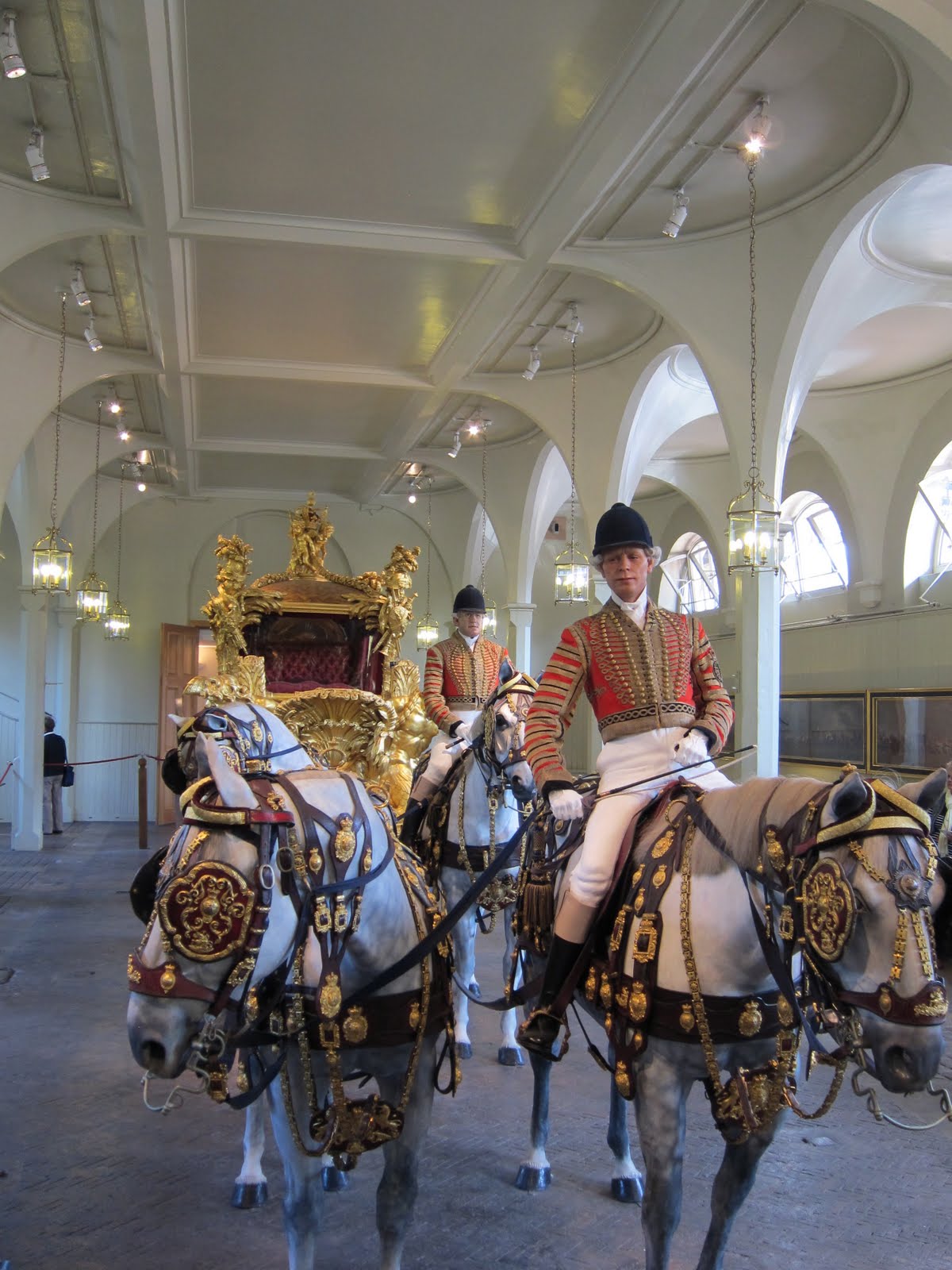
The reality is that although the whole event could have been larger and trapped with more royal jewels and symbols of the monoarch, there was something that no made for TV reality wedding with an unlimited budget could touch.  There was a palpable sense of awe.  No wedding planner can manufacture awe.  It is an authentic emotional resonance.  To get people to assemble days before the event in hopes of a quick glimpse of the royal procession requires a strong belief.  To stand on among tens of thousands on The Mall with little chance of seeing the newlyweds wave from the balcony seems irrational unless being in the presence of the event generates an emotional response that is far stronger than conventional wisdom.

How are you creating a sense of awe?  Does it require being bigger and better or simply capturing the magic of what you do best?

Everyone and Nobody

I would guess that if your organization is trying to survive by pleasing everyone then you are competing on price or a commodity based metric.  You are the buffet.  You try to meet everyone’s needs but once your patrons are satisfied the enterprise is forgettable.  I can think of a few buffets that were memorable in my dining experience but usually for the people watching.

The most remarkable restaurants are not afraid to be labeled as unique or remarkable.  Their cuisine may be a fusion of different cultures but they are known for being precise.  Their purpose helps set the menu, the decor, the ambiance.  I once dined at Lasserre in Paris.  An amazing restaurant that was themed after the experience of dining on a luxury cruise ship.  The ceiling would retract during the evening to reveal the night sky and stars as if one were at sea.  Small stools (at footstool height) were placed next to each woman’s seat so she could place her expensive handbag in view of other patrons.  If you needed to use the facilities you were escorted to an elevator, taken to the first floor and then placed in the care of restroom attendant.  There was no thought of pointing you in the general direction of the water closet.  Flower arrangements were stunning with orchids that overwhelmed the senses.  This was perhaps my most memorable evening in Paris and I have not even written about the food.  One had to seek out Lasserre and it was magnificent because it was unique.

Who are you serving?

Bringing the Outside In

Larry Johnson of M.E. Grace & Associates was a presenter at the ClearRock Capital Conference I attended as a panelist yesterday.  He shared an advertisement that ran in yesterday’s Wall Street Journal showing USC (University of Southern California) had raised $100 million in contributions from non-USC alumni.  This was the outcome of a strategic initiative put into place years ago to share the success of the university with those who might be compelled to invest, regardless of their personal ties to the school.  Do you understand the motivations of those in your donor universe?  Are you thinking as far-a-field as USC (i.e. non-alumni)?  Are there members beyond your community or region from whom your enterprise might be a very compelling investment opportunity?

Gain or Lost

Research has demonstrated that when we adopt a promotion mindset and focus on what we might gain despite the potential downside that we can break a ‘what will I lose’ attitude that is the primary focus of the prevention mindset.  My father introduced me to a simple concept he called the decision window.  He would draw two columns on piece of paper and tell me to list the pros and cons of an opportunity.  I would fill in the columns with attributes or detractors that came to mind.  Next, my father would draw a window with a plus sign on the near side of the window and a negative symbol on the far side.  He told me to make my decision based on the list in the column but suggest that the positive column would have the most influence on my final decision.   The trick he warned was that the moment I decided and stepped through the decision window I would focus on the negative side of the column, the items I had perceived to lost by making my decision.

How do you assess opportunities?  Are you aware of how a promotion or prevention mindset influences how you process a decision?  Have you considered employing choice architecture by asking your team to talk about their aspirations and inspiration (as opposed to their obligations) as a lead-in to a major decision-making session?

Being Flocked

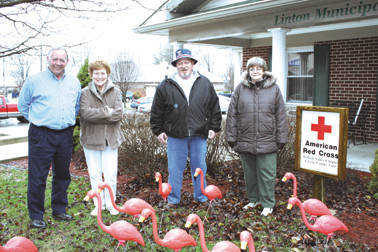
The trend of ‘flocking’ is being incorporated into more grassroots charitable fundraising activities and marketing campaigns.  Schools and Operation Adopt a Soldier utilize the flamingos to collect donations or “ransom”.  Other causes are capitalizing on the guerrilla marketing opportunities using the pink flamingos to spread their message.  A Facebook page dedicated to flocking provides more images of those who have found their yard adorned with the flamingos.

What are your thoughts about the movement?

Why You Are Important

I read an article in the New York Times this morning about stone markers that were placed around parts of Japan’s coast to mark the high water mark of tsunamis of the 1880’s and early 1900’s.  Some towns built using these historical markers as a guide and were untouched by the recent tsunami.  Other communities constructed along the shore and were devastated.  One generation trying to leave important clues as a guide to those that follow is an honorable goal.  As time passed it was easy to forget about the impact of those historical tsunamis and to believe technology and other advances had mitigated the threat.  The confluence of innovation and tradition is where multiple perspectives are essential.  This juncture is where you matter.

Your role in whatever enterprise or cause you support is essential.  When you are not present or choose not to actively participate there is a void.  You hold a unique perspective that carries a wisdom that is irreplaceable.  When you are present and share your ideas the organization is blessed by your perspective.  You matter.  You very well may represent the stone rock that marks the line between success and failure.

“Believe nothing, no matter where you read it,
or who said it, no matter if I have said it,
unless it agrees with your own reason and your own common sense.”

– Buddha