Author: whatifconcepts

Empowering those that inspire so they can excel at the work that matters.

The Ultimate Live Auction Item?

If you hold a fundraising gala with an auction component invariably you encounter unique items that are difficult to value.  Common examples include fine bottles of wine, a vehicle, or luxury trip.  All seem like solid winners at first glance.  What could go wrong?  Imagine three magnums of library wine worth $5,000 being auctioned for $500.  Who makes the call to the winery to share the news.  Or having the winning bidder of the car contact your organization the next day and express their desire to have the car in a different color, additional features added, and delivered many states away.  The luxury trip that includes airfare and a stay in a major European city suddenly consumes days of staff time as they work desperately to book the hotel and flights during the height of tourist season when the winning bidder decides travel during the blackout dates.  Are you going to say ‘no’ to the donor who contributed ten thousand dollars?

A couple questions I have found helpful when evaluating an auction lot that may appeal to a limited market.

  • What is the purpose of the auction?
  • Will the lot help achieve the auction’s purpose?
  • Will the auction item generate buzz or a marketing message that will draw significant attention?  Tickets to the last taping of Oprah’s talk show might make your cause the talk of the state.
  • What does the sponsor/contributor of the auction lot need in return?  Marketing, seats to the auction, personal recognition, a chance to speak at the auction, future business transactions, a guaranteed reserve.
  • Is there a reserve (or cost) to the item?  What will the organization net from the lot?  Is the lot worth having the winning bidder contribute a significant sum for the return on investment (i.e. cause pays $40,000 for a vehicle, winning bid is $55,000, net of $15,000 to the organization)?  Is there a more effective way to raise the same amount of money?
  • If the winning bidder of the unique lot does not participate in bidding on other lots and skips contributing to the fund-a-need, does the organization meet its revenue goal?
  • Are there at least two individuals committed to bidding aggressively on a the lot?  One person can tell you that they are willing to bid to a specific ceiling but without competition they are not going to bid against themselves.
  • Does the organization maintain the resources to manage or leverage the requests for exchanges or refunds?  Do you have the appropriate restrictions listed in the auction catalog and a person of standing who can enforce the fine print?

I had the fortune of being involved with a leading charitable auction that was generously supported by a leading luxury car manufacture.  Each year we would announce that the car you see outside the auction tent is the car you get (insert Robin William’s speech about the three wishes as the Genie in Aladdin, “no exception”).  Within seventy-two hours of the auction each year we would receive a call from the winning bidder asking for assistance in trading or altering the features of the vehicle they had won.  We were in the car business with no automobile showroom experience.

May We Borrow Your Name?

I served an organization that printed a customized letterhead listing by name all the board and advisory council members once a year as part of the annual appeal.  As board members we were asked to put a personal note on the letters addressed to friends or acquaintances.  When a contribution were received, we were asked to follow-up with a written thank you note.

What is the impact of seeing individual names on letterhead?  Does it change your giving patterns?  When we see a celebrity that one identifies with is involved in a cause, does that inspire?  Lance Armstrong’s work with the LIVESTRONG Foundation generates national media attention that might otherwise be challenging for the foundation to create on its own merit.  Does your participation on a board provide certainty to your friends and colleagues that effective work is being performed?  Donor recognition walls are a vehicle to publicly recognize the names that make-up our community of supporters.  They celebrate and memorialize the commitments to a campaign and serve as a lasting endorsement of the cause.

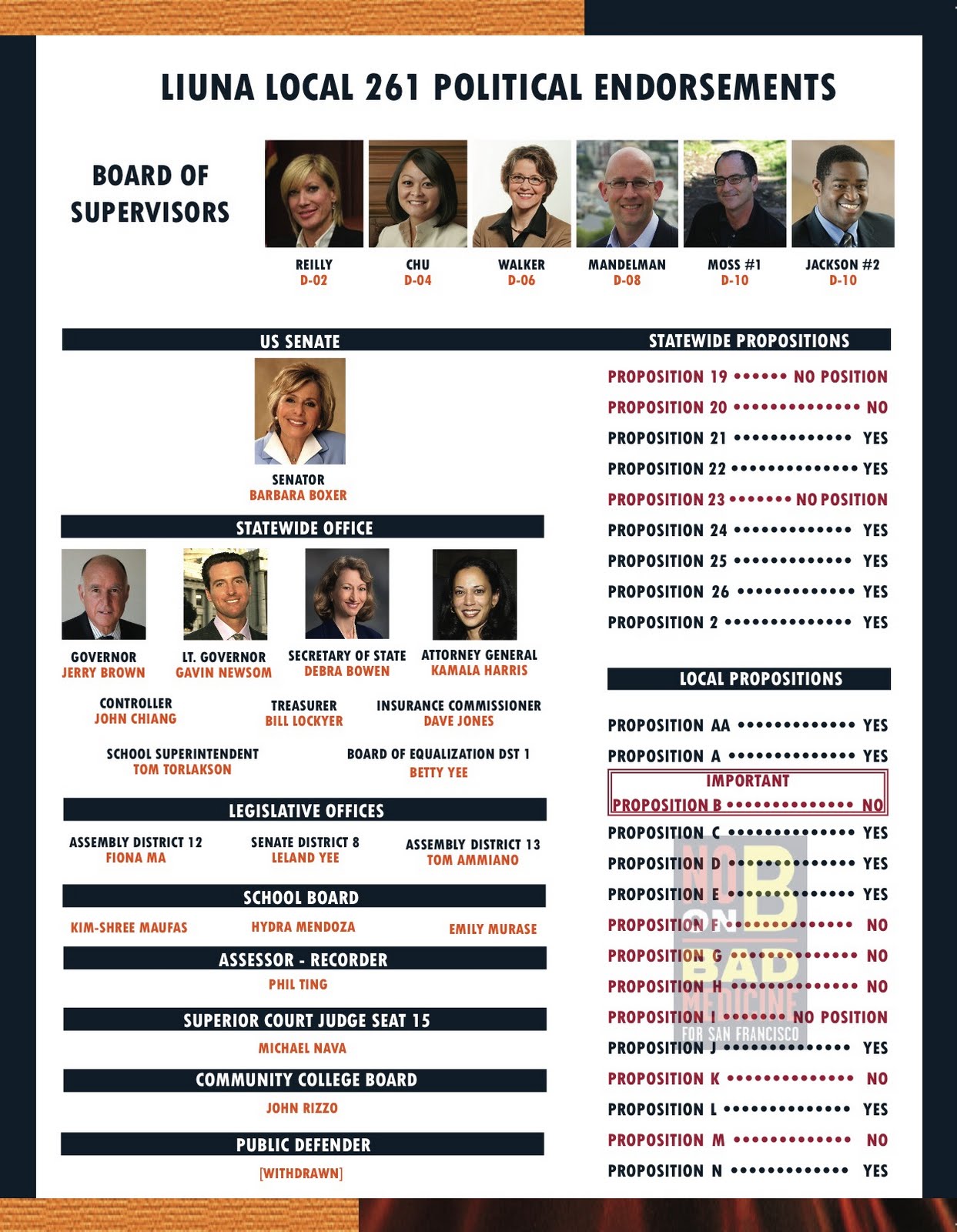
Political campaigns are very effective at collecting the names of those who are willing to endorse a candidate.  Having guidance and recommendations makes the process of voting less complicated.  

Where have you seem the names of those who serve used effectively?  When is putting the names of those closest to the organization a powerful motivator.  When do you want your name used to influence the actions of others?

Trying

Try not.  
Do. 
Or do not.  
There is no try.
                                                     – Yoda    
I am not sure that I completely agree Jedi Master Yoda’s sentiment.  Without trying we would not advance into the liminal space that connects our dreams to reality, however I concur that we are often perceived based on doing or not doing.  Our communities judge our causes based on action.  Few resumes that highlight how hard we have tried successfully land a dream job placement.  Rare is the annual report which successfully reflects on a year of trying as the headline.  We celebrate that which we have achieved and can touch, we acknowledge those ideals not fully formed.  
I watched David Russell’s The Fighter recently.  Without trying there would be less to despair or celebrate at the end of the film.  The connection to the characters in the film are deeper because the audiences witnesses each individual’s battle, both literal and figurative.  Trying is noble and builds a following of dedicated fans but ultimately we must achieve victory or defeat, acknowledge momentum gained or lost, and demonstrate change.
Like steel work on a skyscraper there is a subtle balance between that which is fixed in place (do or do not) and that which is suspended by wire waiting to be attached (trying).  Our progress is measured by the iron that has been secured to the main skeleton.  But we cannot overlook that we marvel at the process.  Each beams hoisted and tethered in the sky despite the odds steel in this form is a highly unlikely candidate for flight.
If we communicate that which we do or do not we provide a sense of certainty, a monument for celebration or memorial for reflection.  It is the narratives behind these tangible structures where the stories take on dimension.  It provides us as individuals with an entry-point for alignment and wonderment.  We can resonate and empathize with the notion of trying even if the ultimate accomplishment outstretches our individual talents.
 Do It! Let's Get Off Our Buts

Like a Fine Bottle of Wine

When one orders a bottle of wine in a finer restaurant there is a well crafted ritual.  A sommelier will pour a taste into the glass of the patron, providing an opportunity to ogle, swirl, sniff, taste, and swallow the varietal.  If the wine is as anticipated then it will be served to the guests.  If there is a problem the sommelier will provide the patron with options.  The process carries a strong level of inherent trust that comes from a tradition.  When done well the presentation is an art form in itself.

I have noticed how easy it is to deliver a service (the bottle of wine) to a customer and consider the transaction complete.  Did we introduce the opportunities to our guest and allow them to pick the appropriate service (introduce the wine list, help orient them and make recommendations)?  Do we help the client get started (show them the label, open the bottle, and pour an initial taste)?  Are we immediately available to gather feedback (awaiting the nod of approval that the wine is as anticipated)?  Have we assembled the resources for others to share in the experience (placed wine glasses with the other guests)?  Are we alert to their needs (check on the patrons enjoyment of the wine and prepared to bring another bottle)?  Are we memorable (do we steam the label off a particularly memorable bottle or provide a patron with the business card of the proprietor of the winery)?  Are we available to join the celebration (be prepared for the guest who wants to pour us a small taste of an especially fine vintage).

Enterprises that treat the services they offer like a fine bottle of wine build loyalty, are memorable for their expertise, raise prices, and break out of the commodity race.


Cheers!
Secrets of the Sommeliers: How to Think and Drink Like the World's Top Wine Professionals 

My Idea

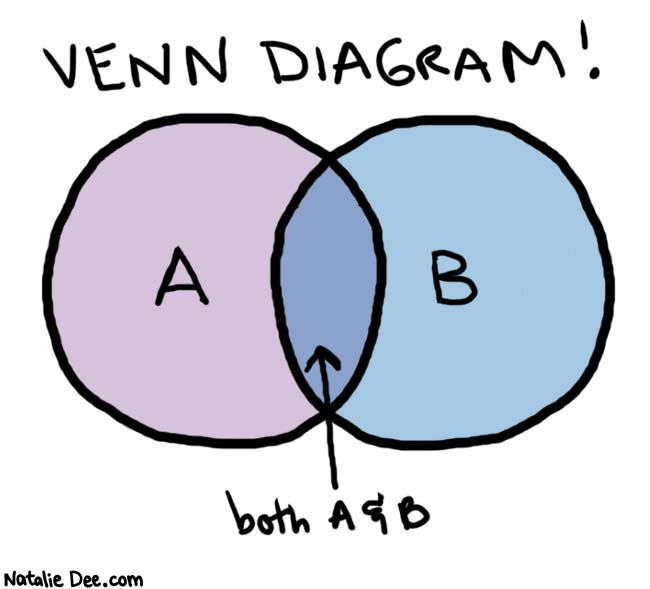
One of the barriers to successful mergers or partnerships is the emotional attachment to the idea. It is challenging to let go of a concept that we raised from the creative incubator and developed into a reality. The arguments for developing a partnership may be compelling.  But is the letting-go of the ownership of an initiative that often keeps an enterprise from transitioning to the next level.  What does not show-up in a Venn diagram is the power of emotion.  Sometimes small considerations that allow for the founder to keep some attachment to the original concept can allow the partnership to progress.

Not Everyone Needs to Be on the Board

I served for ten-years as paid-on-call firefighter in a resort community.  As you spend more time on the department you become more proficient at handling assignments.  As your skills advance you are recommended for additional training and eventually you assume a leadership position.  With enough training you can find yourself on the outside of a working structure fire in a oversight role instead of inside performing the duties ones imagines for firefighter.  The untold secret was that the further you advanced up the chain-of-command the less likely you were ever to see the nozzle and axe handle.  Yet most of us joined to be on the front line and be inside the burning building.

I believe the fire service experience transfers to the social sector.  Not everyone needs or aspires to be in leadership.  Every major donor to your organization does not wish to be on a board member.  The networking king or queen of your community may be ideally suited in their role as a social connector.  A volunteer may just want to assist with reading development.  If we sincerely wish to maximize people’s talents we need to understand their purpose and motivations.  They may be happiest on a ridge with a shovel in their hands and smoke all around them.

Sometimes Average is Enough

An exchange between two guests on WHYY’s Radio Times caught my attention this morning.  In acknowledging WalMart’s increased presence in the super market sector a guest essentially proposed that WalMart does not need to be better, they just need to be as good as their competitors.


That comment struck a deep cord with me.  Many businesses model themselves on the commodity approach.  If they can be as good as the name brand competitor but offer the product at a lower price or with some attached feature then they get the sale.  They win.

It reminds me of the philosophy proposed in Seth Godin’s book, The Dip.  If you do not create a deep enough dip between your product and service then there is no barrier to slow your competitors from matching your features. Products are easy to replicate in this global marketplace so suddenly we are left with a few variables.  Personalized service, an emotional connection, a belief in the organization’s purpose, a desire to make a statement, an individualized experience.  When we analyze what distinguishes us from our competitors there is very little on the commodity side.  It is usually the intangibles that tip the scale in our favor.  


Philanthropically minded individuals who has submitted an organizational grant request to a foundation that seems perfectly aligned to fund one’s cause can often be disappointed to see they were passed-over for a less obvious choice.  Many times the personal relationships between the foundation and the successful grantee are the golden key that provided success.


What features and benefits provide your cause with the greatest return on investment.  It may be the intangible items that are the hardest to measure.

The Dip: A Little Book That Teaches You When to Quit (and When to Stick)

Recognition

“There is no public park in the land with a statue erected to a committee”

Some of the greatest accomplishments have come from a committee.  A well organized group containing a clear purpose can reach great heights.  Strategic plans are developed, new Executive Directors are selected, financial sustainability is mapped out, fundraising galas are run, transformational capital campaigns are executed by committees.  Committees can also be some of the least recognized and appreciated work centers for an organization.  The chair of the committee may receive the appropriate commendation for guiding the committee to a well received result.  But rarely is each member of the committee honored for their contribution.  Appreciation for a high level of performance builds organizational momentum and inspires others to extend themselves.
A couple recent examples of recognition:
  • A mention of the committee members by name on the enterprise’s website, newsletter, social media
  • Host a lunch where the committee members can gather in social setting to share their accomplishment
  • Provided members with a small pin- a Boy/Girl Scout type of approach to recognizing service
  •  Providing a complimentary ticket to the event the committee members organized so they might invite a guest to enjoy the festivities
  • A thank you note from a Board Chair
  • Simple personalized gift such as a sleeve of golf balls with the organizational logo

There are many opportunities to serve on a committee but often the enthusiasm to join is colored by the experience of the last committee. 

Autonomy

Getting people to follow a predetermined path is not easy nor rewarding task.  We have come to value autonomy.  Daniel Pink speaks about the important of autonomy as a critical component of motivation in his book, Drive.  How do we allow those that want us to succeed to do so in a manner that is consistent with their values and talents?  Retweeting, forwarding emails, liking, and voting in online contests remains compelling to a few and perhaps for a limited amount of time.  Some of the greatest movements have provided the parameters and allowed the fans to form their own tribes.  You may be able to orchestrate the wave during a football game when everyone is sitting in the stadium but it is much more challenging when people are remote to the event.

Consider the Surfrider Foundation.  This is an organization that Beth Kanter highlights in her book, The Networked Nonprofit.  This advocacy group allows each chapter to customize the national logo to represent its local topography and seas scape.  Risky proposition perhaps from a branding aspect and developing continuity but the membership’s allegiance to their local chapter outweighs the possible drawbacks. 
    
Are you empowering or constraining your strongest advocates?

Drive: The Surprising Truth About What Motivates Us The Networked Nonprofit: Connecting with Social Media to Drive Change