Author: whatifconcepts

Empowering those that inspire so they can excel at the work that matters.

Right Questions

Is this the boat?

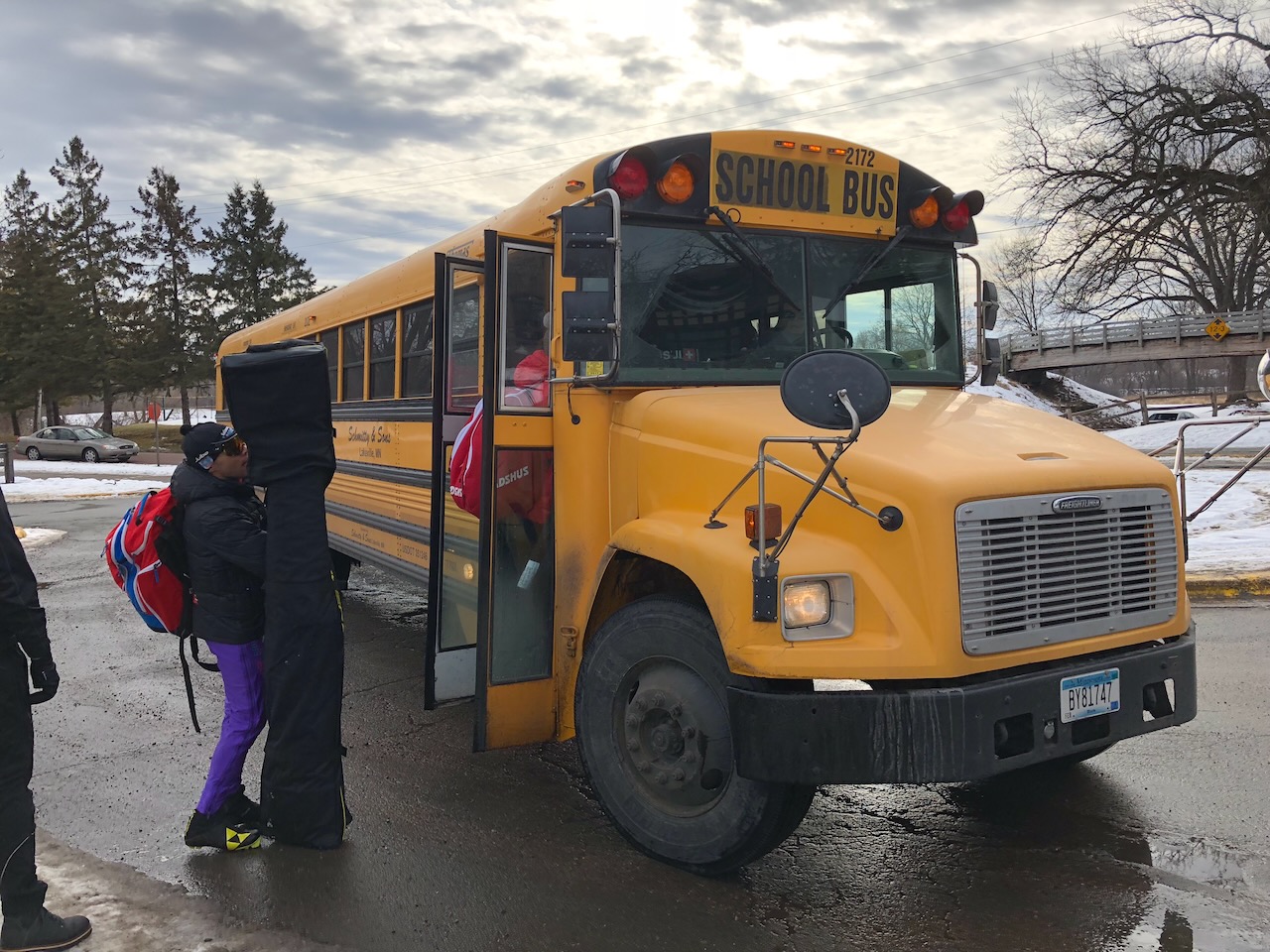
This summer, I watched a scenario in which tourists were instructed to board the next ferry that arrived in port. They intended to take the inter-island ferry to a city a few hours away. When a small tender arrived to take a handful of passengers to the ship anchored in the harbor, they attempted to board with their bags. The crew had to explain that the ferry was a much larger vessel that could carry hundreds of people and would travel far beyond the harbor. The tourists insisted that this was the right boat until a ferry agent guided them back to the line.

If we want the right answers, we are better served to ask the right questions.

Predicting the Future- Poorly

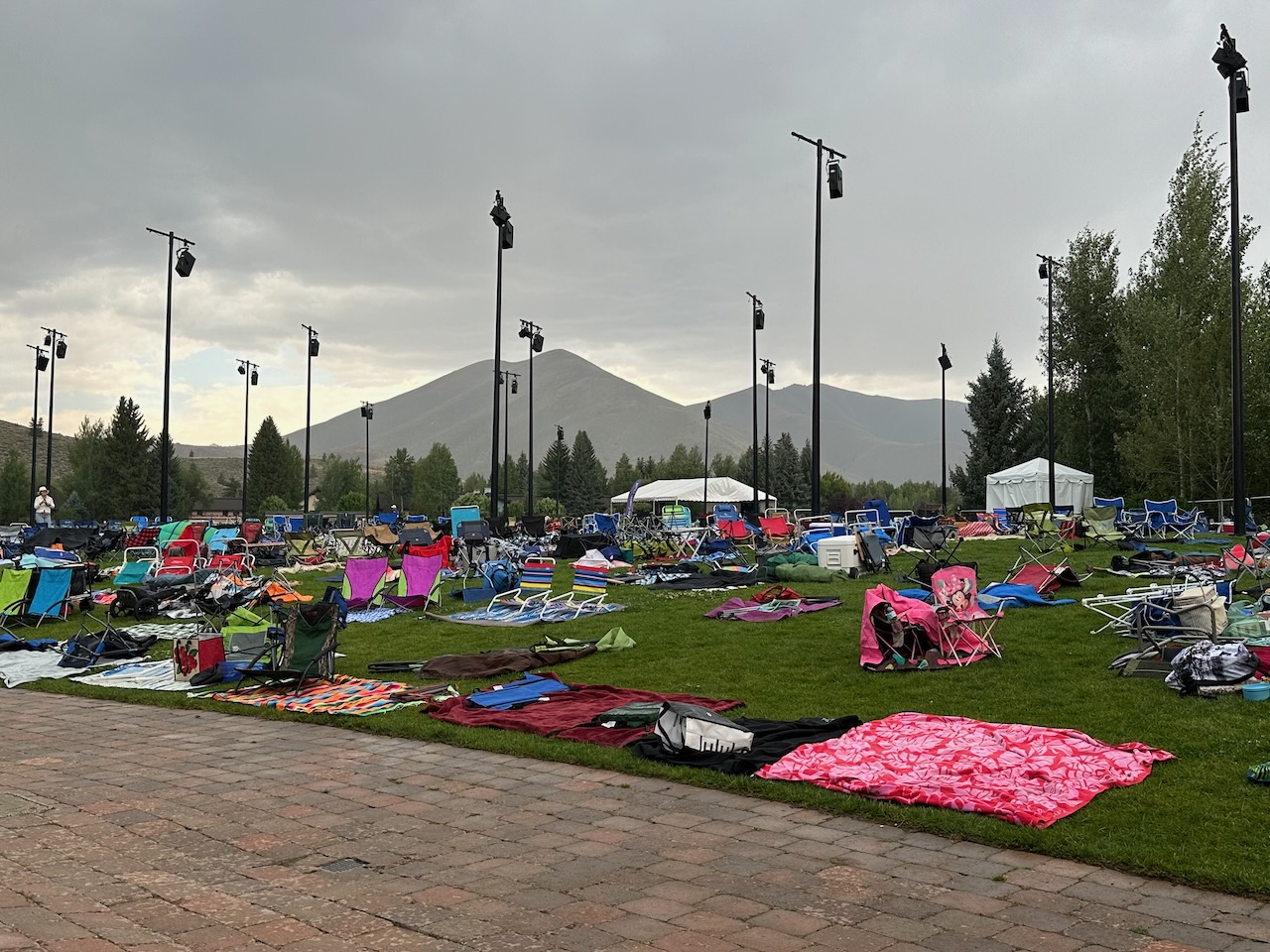
If we can predict the future, why did we schedule the gala performance on the night of an enormous summer thunderstorm?  

How might we recognize that we cannot predict the weather and, therefore, probably cannot anticipate other critical future events? Perhaps we should leave space in our planning to adjust and reroute.

Risk Management

If we care about the well-being of those we serve, we might need to make difficult decisions on our fans’ behalf. This might require canceling our signature event. Despite all the planning and costs, risk management considerations are prioritized over the financial or reputational damage. In the fire service, a Safety Officer was positioned at the Command Center during large incidents and could cease any operations they deemed dangerous to the well-being of the responders.

How might we balance delivering our mission while preserving the health and welfare of our community?

Changing Topography

The power of generative conversation is similar to playing in a sandbox. We can build, alter, and discard ideas without worrying about the constraints of reality. Like the Topography Sandbox, we can quickly alter the terrain and consider new possibilities. How might we make room for generative conversation in our next meeting?

Other Ways of Seeing

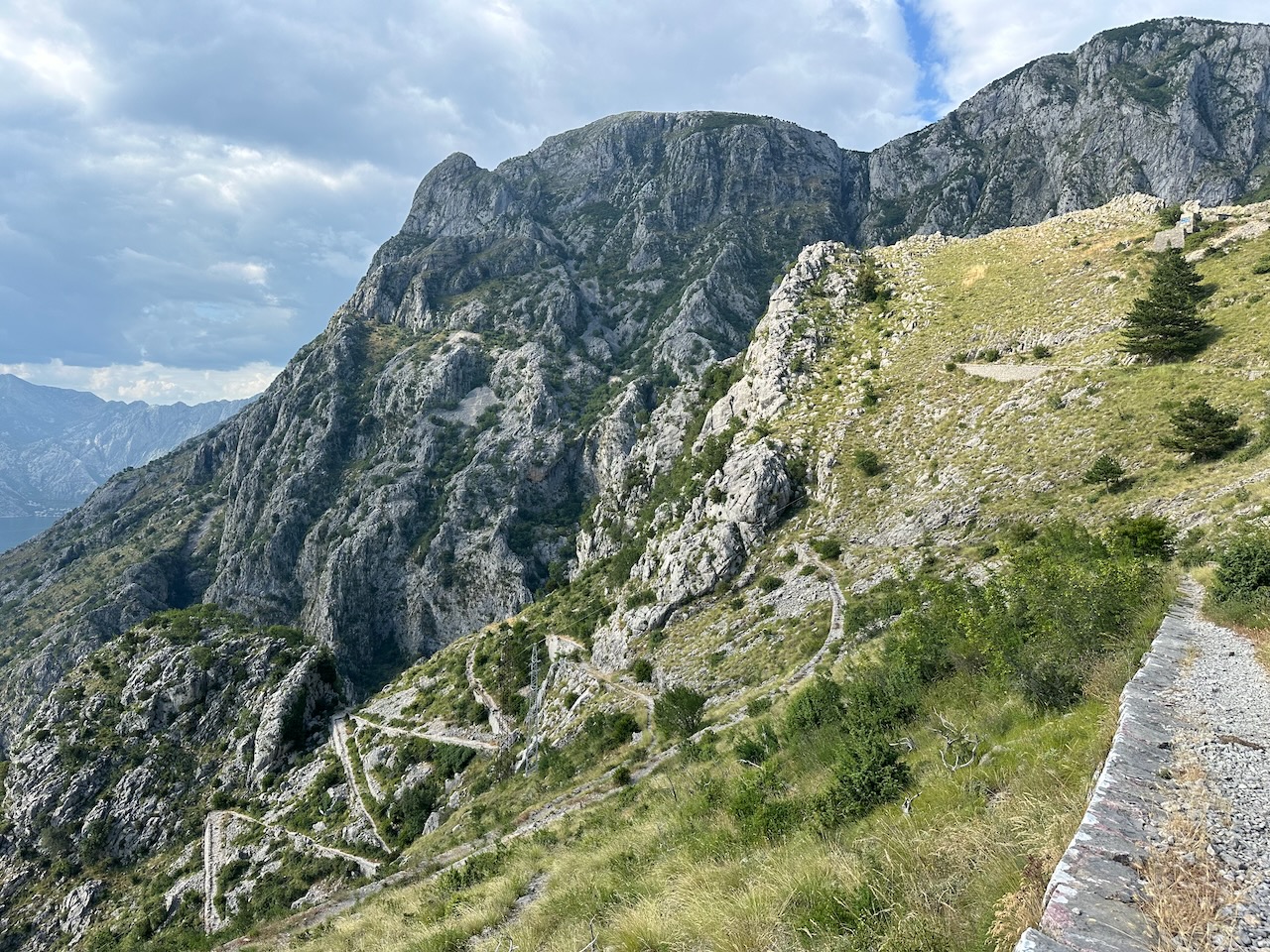
Tsugaru Iwaki Skyline, Japan

When we glimpse this image, we might see different adventures. An auto enthusiast might consider how a sports car handles this route, road cyclists might see a climb with endless switchbacks, a skateboarder might consider a possible descent, a drone operator might think about a viable video, and a landscape artist might see a subject matter to paint. Others may see the consequences, a fear of heights for a car passenger, an engineer who wonders if a better design existed for the road’s construction, or an environmental conservationist who ponders the necessity of the road.

How might we allow for broader interpretations of a subject beyond what is immediately apparent?

Murder Mystery versus Suspense

If you are writing a murder mystery, you must know the ending in order to sequence the narrative and clues. If you are writing to create suspense, you just require a situation. This is the reflection of the iconic author Margaret Atwood during an interview at the Sun Valley Writers’ Conference.

If you are trying to write a plan that predicts the future, then you need to know the ending. If you are writing a plan that focuses on creating a better version of your enterprise, you need to decide which direction you intend to travel.

Although the distinctions are subtle, it changes the mindset and the focus of the author.

Routine

This morning I took my dog to the park. Walking back, I prepared to discard the dog bag into the trash bin but it was gone. There had been a music concert at the park last night; perhaps somebody had moved the trash can closer to the venue. My morning routine was disrupted, and my mindset changed. Where was the closest trash can? Why was our corner trash can missing? Who else was having a pattern disruption?

Some routines are disrupted by external forces, and some by internal choices. How might we disrupt our own patterns to challenge our status quo? How might a break in routine create new ways of thinking or confirm our current course of action? Emergency service and para-military groups perform pattern disruptions by running unscheduled drills. They move from a state of normal to a response posture with the sound of an alarm.

Quick starting points for a change to routine include moving your next meeting to a different venue, changing the agenda order, asking attendees to sit in a different seat, inviting a guest speaker, providing a report with different metrics, canceling a regular meeting to see the impact, and starting the meeting with a generative question.

How do you change your routine? What has forced you to change patterns?