
The first draft is just that: a sketch with a modest sense of form. Feel comfortable with the lack of details and functionality. Embrace the ambiguity and leave room for serendipity.
The first draft is just that: a sketch with a modest sense of form. Feel comfortable with the lack of details and functionality. Embrace the ambiguity and leave room for serendipity.

How do you stay creative? What provides a spark: reading, travel, social interactions, brainstorming, walks, podcasts, etc.? It is easy to sacrifice creativity because the default mode has a script and a specific role to assume.
Who or what is your source of new ideas? How might we schedule time to connect rather than just connecting dots?


If we endeavor to keep our cause in perpetual motion, we might miss the opportunity to address deferred maintenance. Sailors who circumnavigate the globe look for opportunities to lift their boats above the water line to clean the hull and handle other necessary maintenance. To enhance the performance and efficiency of the boat’s movement through the water, the return on investment of a clean hull versus the time lost in port is a formidable decision.
How might we take the same mindset with our enterprises? How might we take time for a generative conversation? How might we address opportunities to improve our governance? How might we reflect upon or update our strategic plan? How might we update our board recruitment roster? How might we test our organizational assumptions?
What is the return on investment if we commit to any of the items mentioned above? What would a transformative moment of pause do for the future journey?
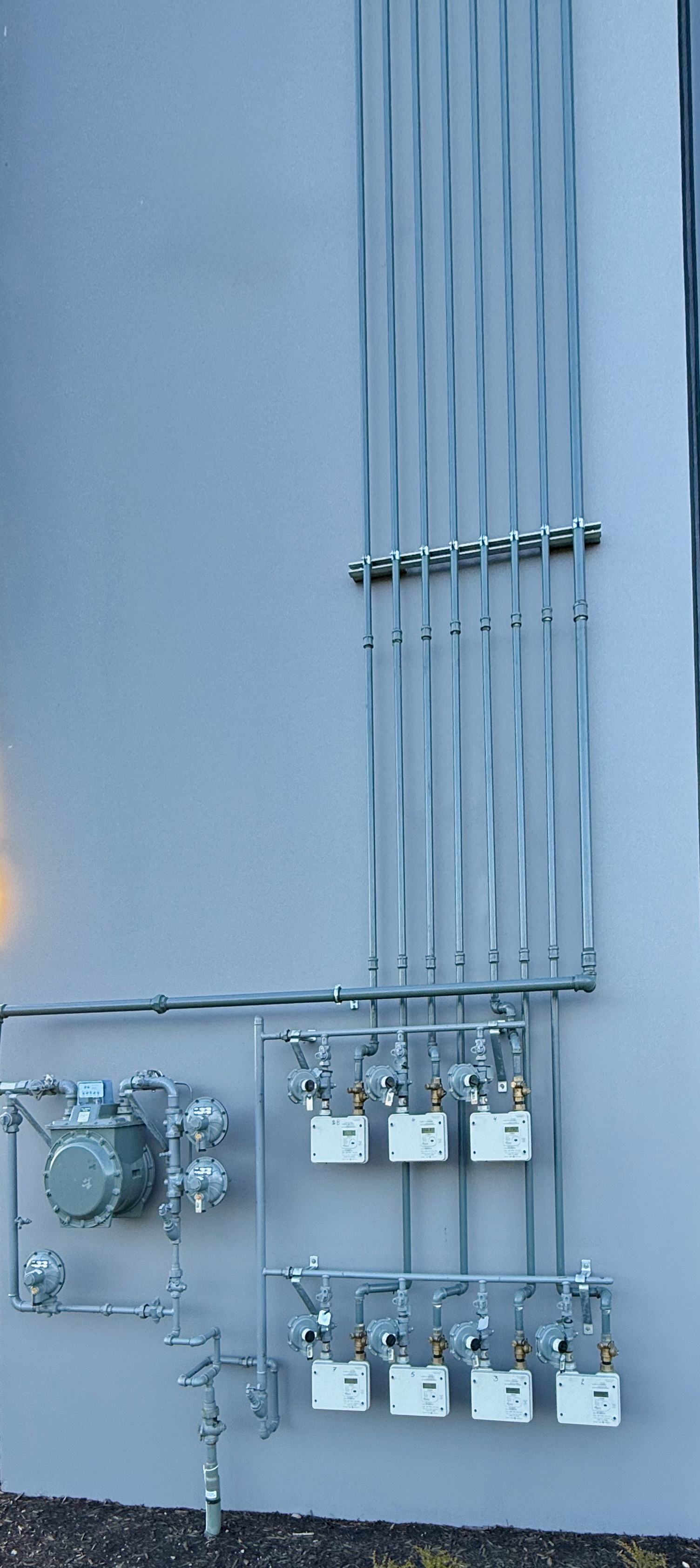
Utilities laid out within a coherent system make sense. We want items fundamental to our operations to be accessible, functional, and safe. Generative ideas are not created or built upon in the same mindset. We might need to get ourselves lost in the wilderness before understanding the terrain we occupy. Discerning our work might guide us between a functional approach or inhabiting a liminal state of mind.

When we hold a precious stone up to an intense light, it reveals any inclusions and blemishes. We might be utilizing the stone for a purpose that does not require a high grade, or we may intend to make the stone the centerpiece of our work, which would benefit from fewer visible inclusions.
What light do we deploy to explore our organization’s inner workings? Do we have a culture of curiosity that is open to examining our enterprise’s status? Does a generative conversation make us stronger as a team or does it reveal fault lines that create more friction?
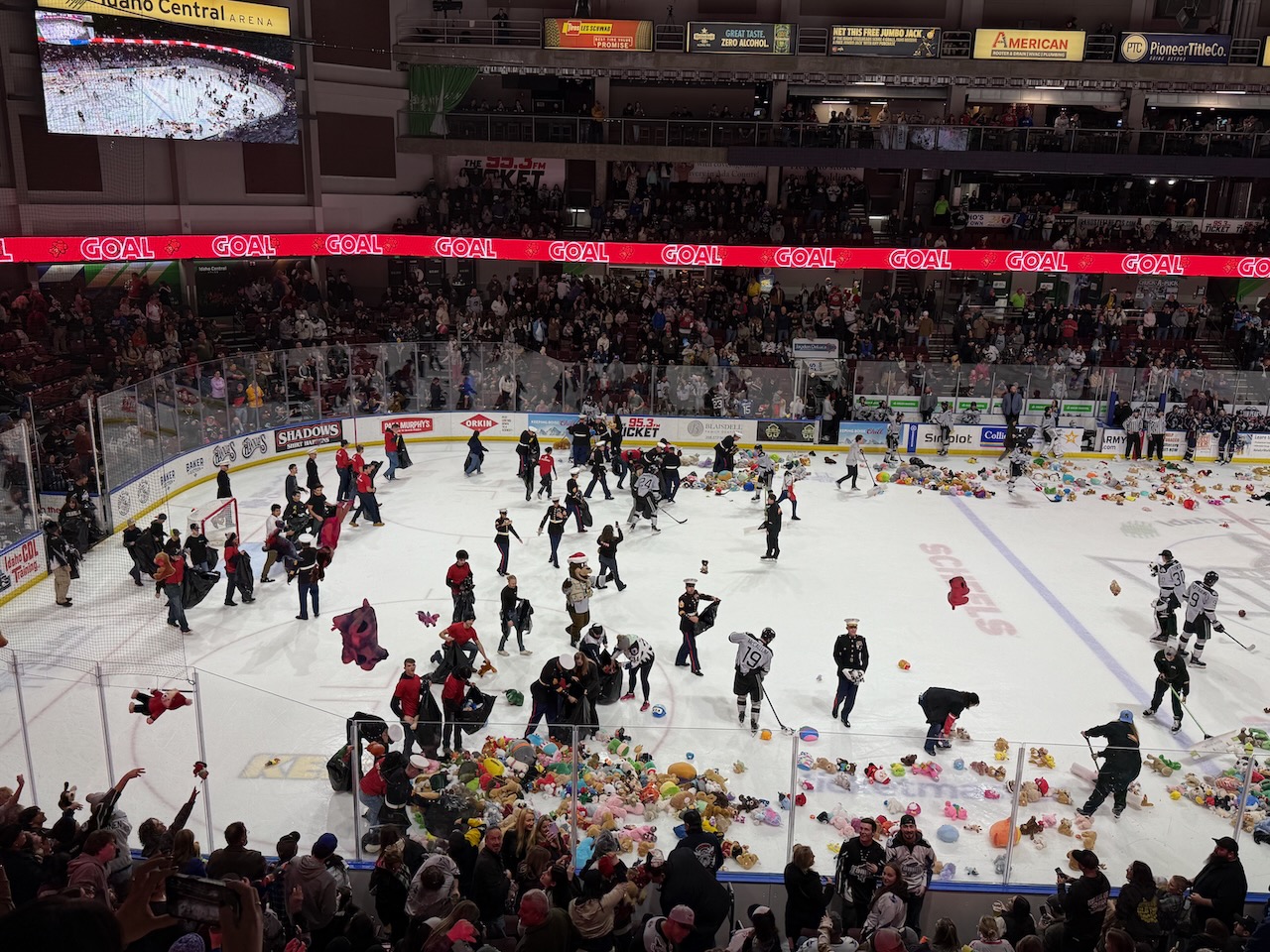
It is probably quickly forgotten if we bring a stuffed animal to a hockey game and throw it onto the ice after the home team scores. However, if the home team holds a toy drive and thousands of stuffed animals are thrown onto the ice after the first goal, it is remarkable. Questions are similar; one rouge question might get a quick response, but a cascade of intentional questions can steer an enterprise’s future strategy.
What questions must you answer before you can ask another question?
Do you need to agree that contributed income is a vital source of revenue for your venture? Once established that contributed income is a priority, you can commence with questions about how your cause engages potential supporters in meaningful conversations about their philanthropy? The sub-questions have little value if we have not answered the essential question.

We can pursue other questions when we consent to something existing or being in an agreed-upon state. Other questions are challenging to pursue if the premise is still up for debate.

How do you navigate when visibility is reduced? Does your concentration increase? Do you slow down? Do you seek outside assistance? Do you stop and recalibrate?
If we desire a generative conversation, obscure some of the generally available details and commence.
The power of generative conversation is similar to playing in a sandbox. We can build, alter, and discard ideas without worrying about the constraints of reality. Like the Topography Sandbox, we can quickly alter the terrain and consider new possibilities. How might we make room for generative conversation in our next meeting?
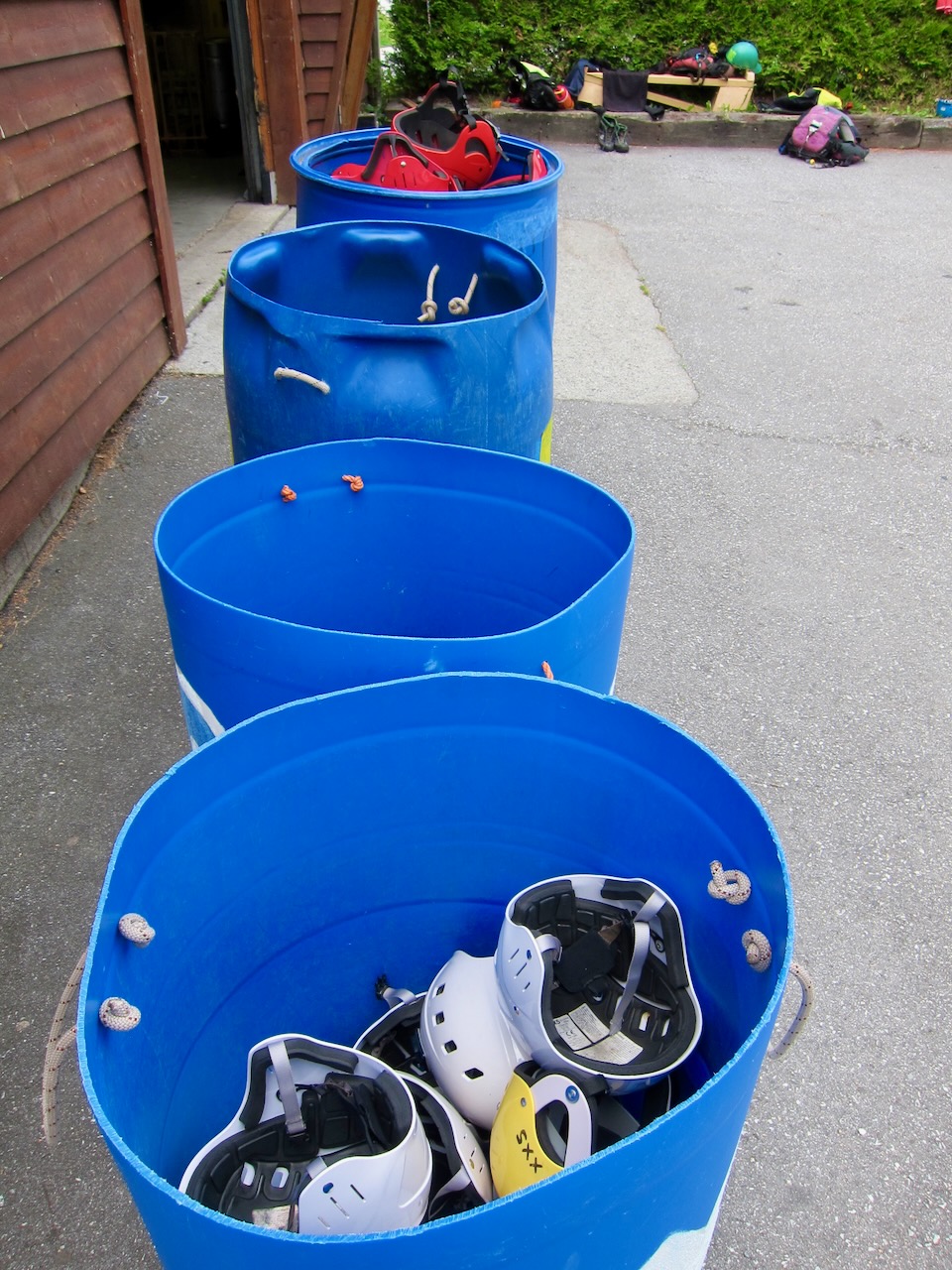
This morning I took my dog to the park. Walking back, I prepared to discard the dog bag into the trash bin but it was gone. There had been a music concert at the park last night; perhaps somebody had moved the trash can closer to the venue. My morning routine was disrupted, and my mindset changed. Where was the closest trash can? Why was our corner trash can missing? Who else was having a pattern disruption?
Some routines are disrupted by external forces, and some by internal choices. How might we disrupt our own patterns to challenge our status quo? How might a break in routine create new ways of thinking or confirm our current course of action? Emergency service and para-military groups perform pattern disruptions by running unscheduled drills. They move from a state of normal to a response posture with the sound of an alarm.
Quick starting points for a change to routine include moving your next meeting to a different venue, changing the agenda order, asking attendees to sit in a different seat, inviting a guest speaker, providing a report with different metrics, canceling a regular meeting to see the impact, and starting the meeting with a generative question.
How do you change your routine? What has forced you to change patterns?

