The power of generative conversation is similar to playing in a sandbox. We can build, alter, and discard ideas without worrying about the constraints of reality. Like the Topography Sandbox, we can quickly alter the terrain and consider new possibilities. How might we make room for generative conversation in our next meeting?
Author: whatifconcepts
Fanfare

How would your work change if it was accompanied by a personalized fanfare? A friend remarked that their day would be improved if the soundtrack from the Mission Impossible movie franchise played in the background.
What fanfare would you select to inspire your work?
Other Ways of Seeing

When we glimpse this image, we might see different adventures. An auto enthusiast might consider how a sports car handles this route, road cyclists might see a climb with endless switchbacks, a skateboarder might consider a possible descent, a drone operator might think about a viable video, and a landscape artist might see a subject matter to paint. Others may see the consequences, a fear of heights for a car passenger, an engineer who wonders if a better design existed for the road’s construction, or an environmental conservationist who ponders the necessity of the road.
How might we allow for broader interpretations of a subject beyond what is immediately apparent?
Murder Mystery versus Suspense

If you are writing a murder mystery, you must know the ending in order to sequence the narrative and clues. If you are writing to create suspense, you just require a situation. This is the reflection of the iconic author Margaret Atwood during an interview at the Sun Valley Writers’ Conference.
If you are trying to write a plan that predicts the future, then you need to know the ending. If you are writing a plan that focuses on creating a better version of your enterprise, you need to decide which direction you intend to travel.
Although the distinctions are subtle, it changes the mindset and the focus of the author.
Routine
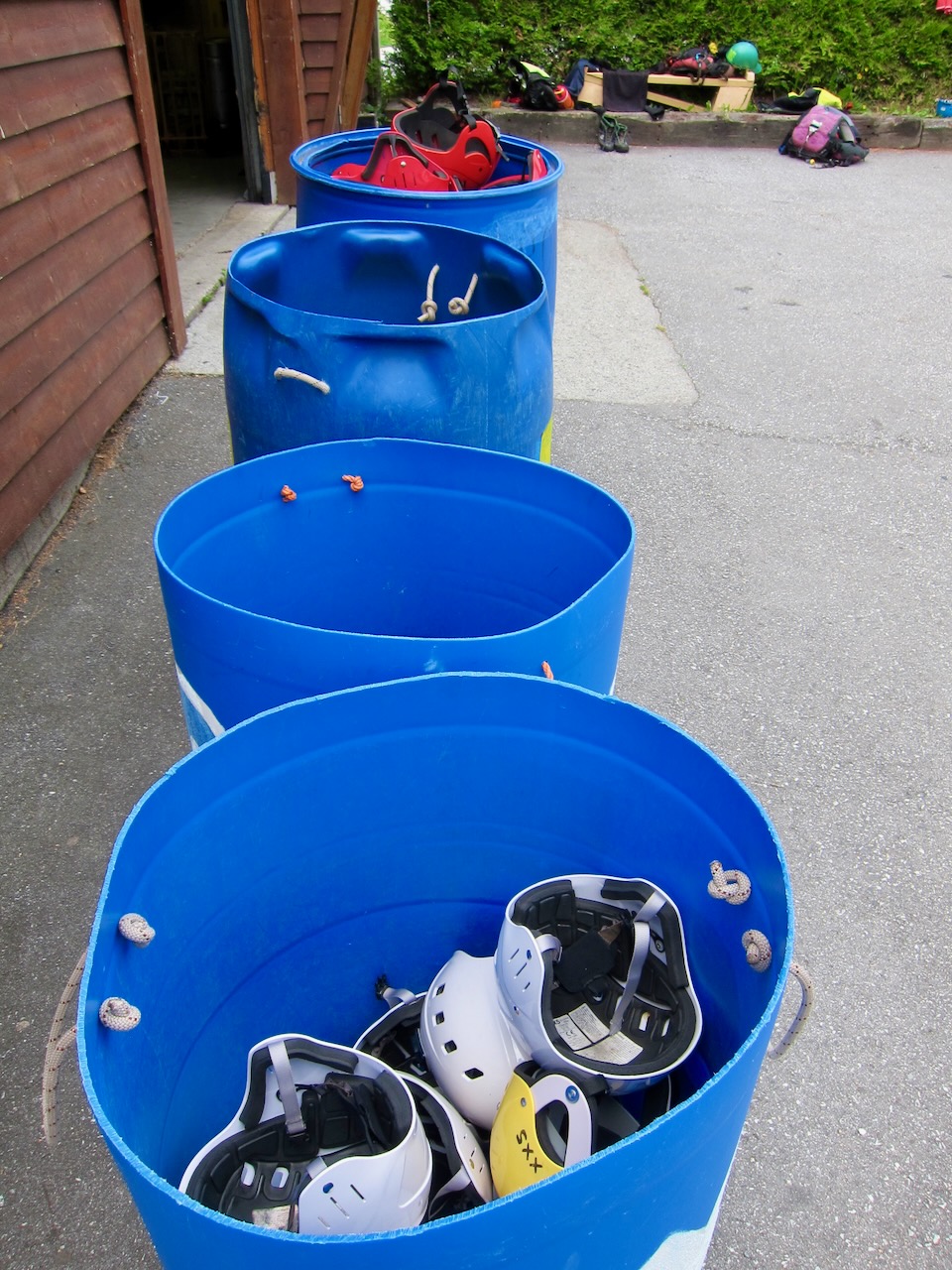
This morning I took my dog to the park. Walking back, I prepared to discard the dog bag into the trash bin but it was gone. There had been a music concert at the park last night; perhaps somebody had moved the trash can closer to the venue. My morning routine was disrupted, and my mindset changed. Where was the closest trash can? Why was our corner trash can missing? Who else was having a pattern disruption?
Some routines are disrupted by external forces, and some by internal choices. How might we disrupt our own patterns to challenge our status quo? How might a break in routine create new ways of thinking or confirm our current course of action? Emergency service and para-military groups perform pattern disruptions by running unscheduled drills. They move from a state of normal to a response posture with the sound of an alarm.
Quick starting points for a change to routine include moving your next meeting to a different venue, changing the agenda order, asking attendees to sit in a different seat, inviting a guest speaker, providing a report with different metrics, canceling a regular meeting to see the impact, and starting the meeting with a generative question.
How do you change your routine? What has forced you to change patterns?
Elevate

When we elevate, we gain a distinct perspective. We might see things in a manner that has eluded us previously. The layout of our world might reveal connections and corridors that we had not thought were possible from ground level.
How might we make time to gain altitude and assess the terrain we occupy and that which lays ahead?
Depth and Dimension

When we add relief to a map, it adds depth and dimension to our understanding of the landscape. When we plan on paper, it is easy to draw a straight line between our current position and our future. The reality is we often forget to add the relief for a better understanding of the terrain we will encounter.
Disruption

Which improvements do you need to make that are worth disrupting the flow of traffic? We often need to detour from our current paths of navigation to create a better future.
Committed to the Journey

If you are committed to the journey, you are willing to get your shoes wet. It is a simple test early in an expedition.
The smoke from the wildfires cleared in our region for a day. I went for a long trail run and at the first water crossing, I waded through the river and prepared to continue my run. A group of hikers inquired if there was a crossing that did not require wading across the river. I said I was unaware of any immediate down trees that formed natural bridges or rocks that allowed for hopping across. Despite my reassurance that the alpine lake they had selected as a destination was remarkable and the water was not cold, they turned around and proceeded back to the trailhead. I was committed to my journey, thinking it was enhanced by the dozen stream crossings. They were committed to keeping their feet dry. A river crossing served as the barrier to entry.
Ambitious Plans

There are ambitious goals, and then there are plans that overcome our comprehension. If I told you I was going to thru-hike the Continental Divide Trail (Mexico to Canada), you might be able to fathom that feat. If you happen to live trail adjacent, you might even offer to assist me with food, a shower, or a place to stay. If I told you I was going to circumnavigate the globe on foot five times and I planned to walk past your house in five years, you might offer assistance but you may also kindly suggest we talk when the time gets closer. We can support what we can comprehend, but if overwhelmed, we do not know where to start.
The plans we share with our fans might be best if they are ambitious and daunting but relevant enough that our fans can find a point of confluence.
 What-if-concepts