Social Sector

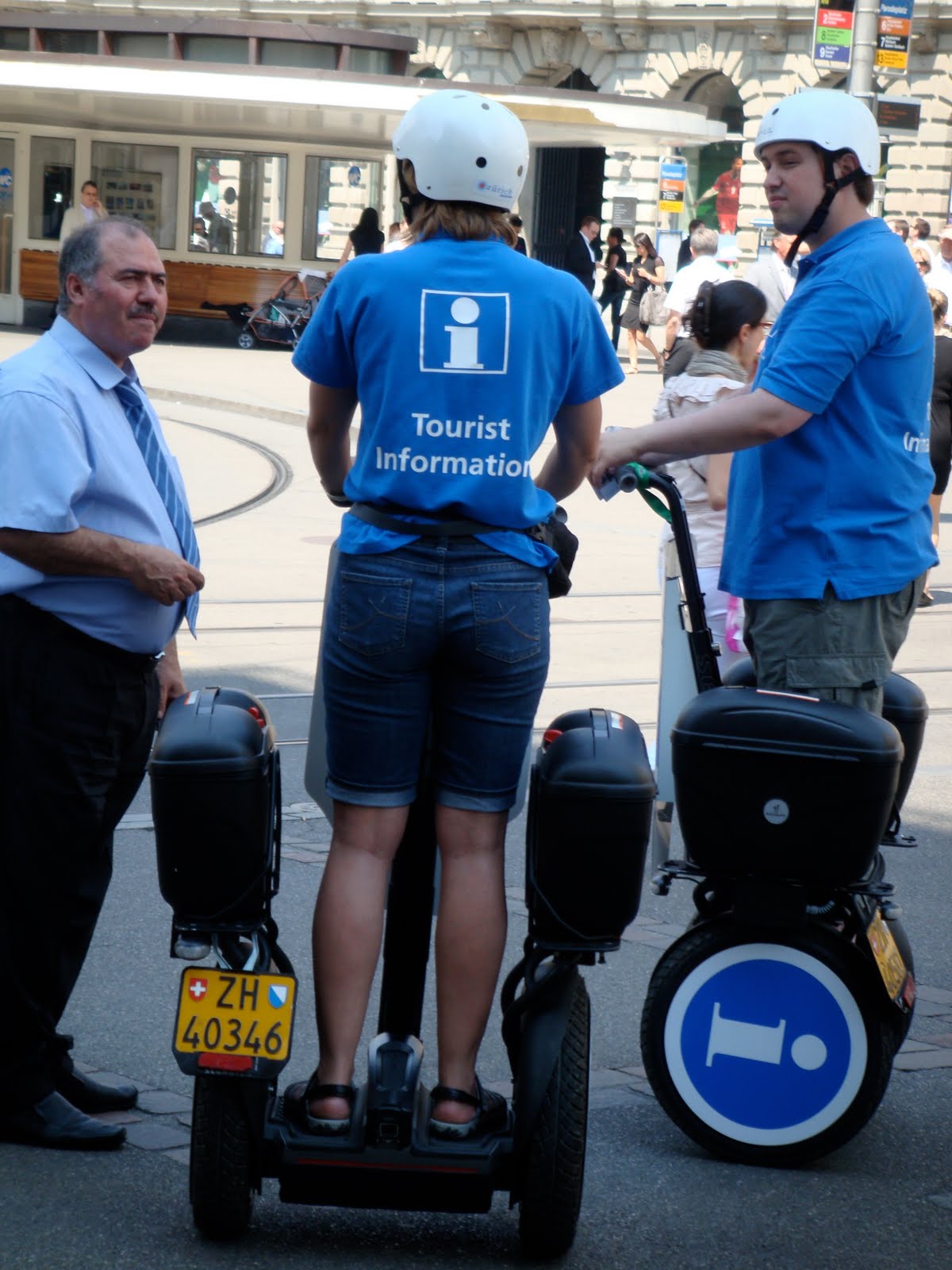
Info

Where do your fans and customers get information about your cause?  Is it easy to obtain?  Is it accurate and up-to-date?  Do they come to you or do you need to go to them?  Have you asked those individuals seeking information which format works best for them?  Do you use multiple platforms or just one?  Do you need to get out and about of spend more time manning the information desk?

Many social sector organizations claim to be the best kept secret in town.  Perhaps you need to consider a new strategy for expanding your presence.

Relevance

Daniel Pink’s book, Drive reminds us of the importance of relevance in the field of education.

Think of it as the fourth R: reading, writing, arithmetic…and relevance.

It is perhaps the central question when we consider using the time and talent’s of a social sector board, volunteers and staff.  How do we keep the focus relevant to the mission of the enterprise?

What is really valuable?

If you had a limited data plan on your mobile phone and had to filter the emails and text you could afford to receive, which ones would you purge?  How many enterprises send communications that act like a burden on your email box?  Does your communication plan really hold your audience’s attention or is it easily distracted?  Try the firework test- do you remember what you were doing before fireworks unexpectedly fill the night sky?  Many times your competition for attention is as powerful as a 4th of July celebration.

Not Satisfied

How satisfied are your clients and members?  What type of scores do they give your organization when you performs a satisfaction survey?  Are they somewhat satisfied, mostly satisfied, extremely satisfied?  What if I told you that there is zero correlation between the results of a satisfaction survey and predicting the future growth of your organization?  Said differently, just because a customer is satisfied with your cause does not mean they will patronize your organization next week, month, or year.  Tracking satisfaction provides no value when predicting future growth.  In my consulting practice we have stopped performing satisfaction assessments.


What is useful?  We are measuring advocates.  Ultimately we are looking for individuals who will risk their reputation to recommend an organization or cause.  An advocate is an individual who believes strongly enough in a brand to put their personal stamp of approval on the anticipated future experience a friend or colleague will experience.


Real world example- list five or more local eating establishments you have dined at in the past year or less.  How may of these dining places would you mark as at least satisfied if I surveyed you today?  Now, if I came to your community and I asked you which restaurants I you would recommend, how many from your satisfied list would you include?  How many would you recommend with a qualifying statement?  What is the difference between the satisfaction list and the recommendation list?  Usually there is are significantly fewer establishments an individuals is willing to recommend than those that they are satisfied with.  Satisfaction is an easy statement we use to cover a lot of situations (it can be a polite way to say I am never coming back or I am a fan of your enterprise).


If you knew who your enterprise’s advocates were what would you do differently?
Great Barriers

Have you had the opportunity to tour the Sistine Chapel or summit the Eiffel Tower?  How about viewing the Grand Canyon or the Statue of Liberty?  Have you seen the Great Wall of China or the Great Barrier Reef?  The common denominator for each of these landmarks is that it takes a journey for most of us to reach any one of these.  Once you get arrive in the general proximity of the landmark it takes an additional investment of time and money to see the actual site.  There are often crowds and additional obstacles to navigate.  The cumulative experience of the journey makes the adventure to a landmark more memorable.

How many New Yorkers have never taken the ferry to the Statue of Liberty?  They can do it anytime they wish since proximity makes for a low barrier.  If you are visiting Rome you are more invested in a visit to the Sistine Chapel and enduring the lines, entry fee and the endless galleries that take you to the actual chapel.


Sometimes convenience does not draw more customers and clients?  Most of us go out of our way to find the top rated specialist who does knee replacements.  Usually getting an appointment takes effort and patience since the leading specialists are often booked months in advance.


What do you produce that may accelerate its return on investment by increasing the barriers?  What would thrive if you promoted scarcity?  Opportunities that are not omnipresent cause potential customers to become less transactional.

New Audience

Simple changes to a know practice can result in rewarding results.  Walking the streets of Italy, I saw parked cars with leaflets placed under their rear window wiper.  The fact that most of the rear windows were more vertical than a front windshield made them visible to pedestrians.  The audience for the advertisement suddenly included those walking past.  The potential audience was significantly higher for advertisement placed in the rear window compared with those left on the front windshield.

Have you considered how a subtle shift in current strategy might increase your audience dramatically? How do you measure new opportunities?

Mistake to

I find the results of this survey to be enlightening.  Jim Joyce is a baseball umpire who missed a call at first base that would have been the final out in a perfect game.  Armando Galarraga the pitcher is seen in the picture below making the play that resulted in the mistaken call. 


The poll at the top of the post shows that despite a mistake, it was the integrity with which Jim Joyce dealt with the blown call that did not cause a major backlash to his reputation.  Once Jim saw the replay of the call he went to the locker room and apologized directly to the pitcher who accepted his apology.  He addressed the error by making a very honest and emotional statement to the press.


Mistakes happen.  How you address missteps and take corrective action says a lot about an organization’s values.  How does your organization deal with errors?  Do you enhance a relationship or create a greater divide?