Uncategorized

Pay In Route

In my youth, the airline shuttle between Washington DC-NYC-Boston would load passengers right up to the moment of departure, usually on the hour. The moment the aircraft door closed, taxi and take-off followed immediately. Flight attendants rolled carts through the aisle and secured payment for the flight, ran credit cards on an imprinter machine, and provided carbon copy receipts. The duration of the flight was short, and the crew hustled to complete all the transactions during a full flight. The plane landed, and everyone disembarked and headed toward their destination. This model has evaporated in favor of pre-payments and cancellation penalties.

Much of our travel is based on upfront payments. Airlines get paid up to 330 days or more in advance for future tickets. There is a psychological aspect to paying beforehand; it represents a form of investment in a future event. When we match this experience with the social sector and donor contributions, most are positioned as investing in the organization’s future. Few campaigns lead with, ‘Help us pay the pile of invoices on our desk.’ It is more hopeful to supply resources for a future endeavor than assisting with debt collection (although the pandemic created a temporary exception).

How might we find our niche when asking for fuel to support our journey? Do our supporters prefer helping us move forward, or do they understand the costs incurred to arrive at our current location?

The Ski Bus

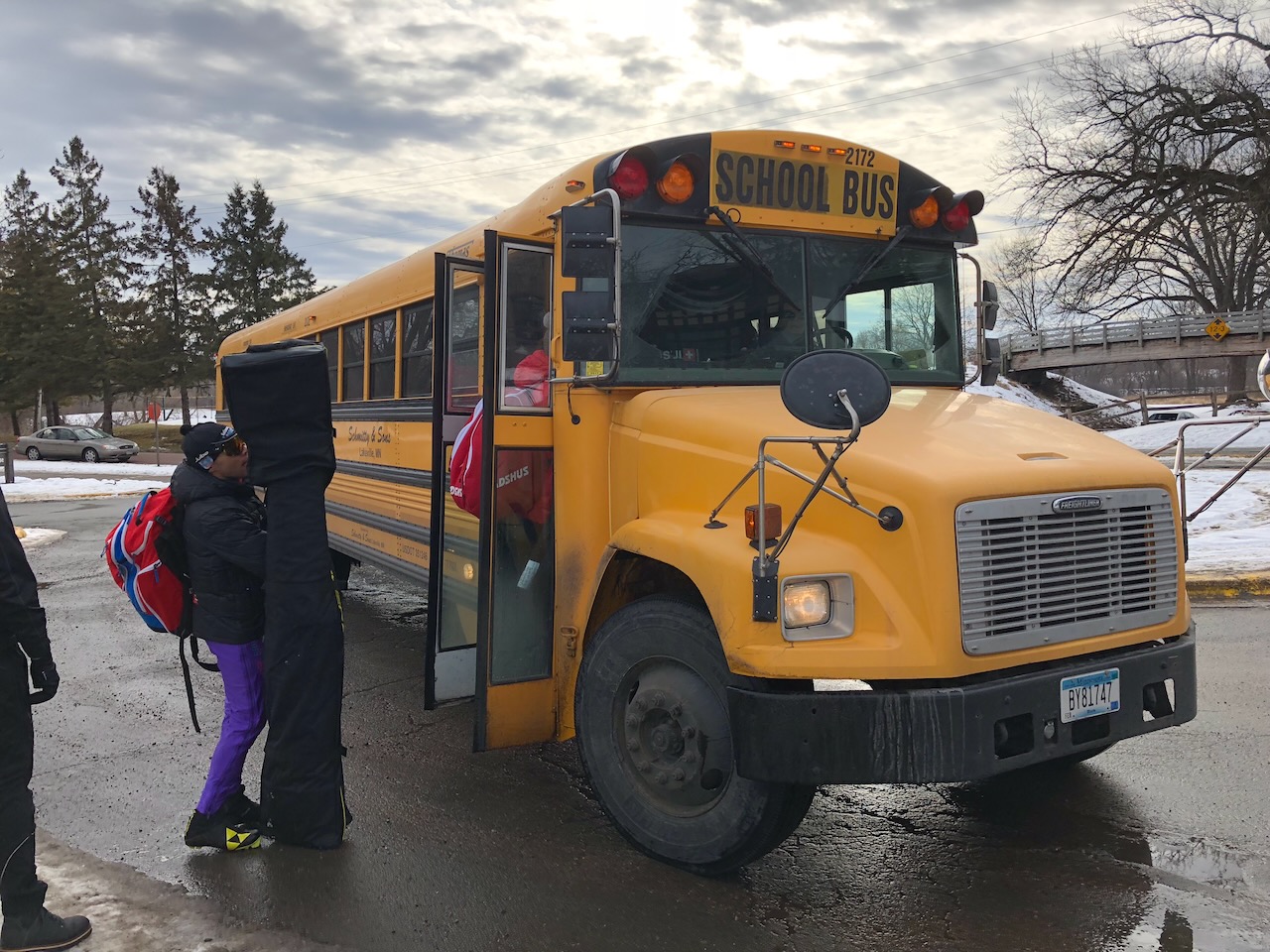
As a kid, I would take a ski bus from the resort to the ski area’s base. It had large metal racks outside the bus, and you placed your skis into a rack by raising them high enough to slot their tails into the rack. It was the most stressful part of the day. I often needed help and feared the bus would depart before I finished loading or unloading my skis. Most of the time, a kind stranger would give me the little assistance I needed to execute the maneuver successfully. The anxiety almost kept me from going skiing.

The bus was designed for adults before anyone considered the consequences of getting road grime on the ski bases. Now, most buses allow skis to be taken inside the bus.

What barriers have we created, intentionally or unintentionally, that are keeping people from engaging with our cause or benefiting from our services? Are we asking the right questions to assess the barriers?

Right Questions

Is this the boat?

This summer, I watched a scenario in which tourists were instructed to board the next ferry that arrived in port. They intended to take the inter-island ferry to a city a few hours away. When a small tender arrived to take a handful of passengers to the ship anchored in the harbor, they attempted to board with their bags. The crew had to explain that the ferry was a much larger vessel that could carry hundreds of people and would travel far beyond the harbor. The tourists insisted that this was the right boat until a ferry agent guided them back to the line.

If we want the right answers, we are better served to ask the right questions.

Predicting the Future- Poorly

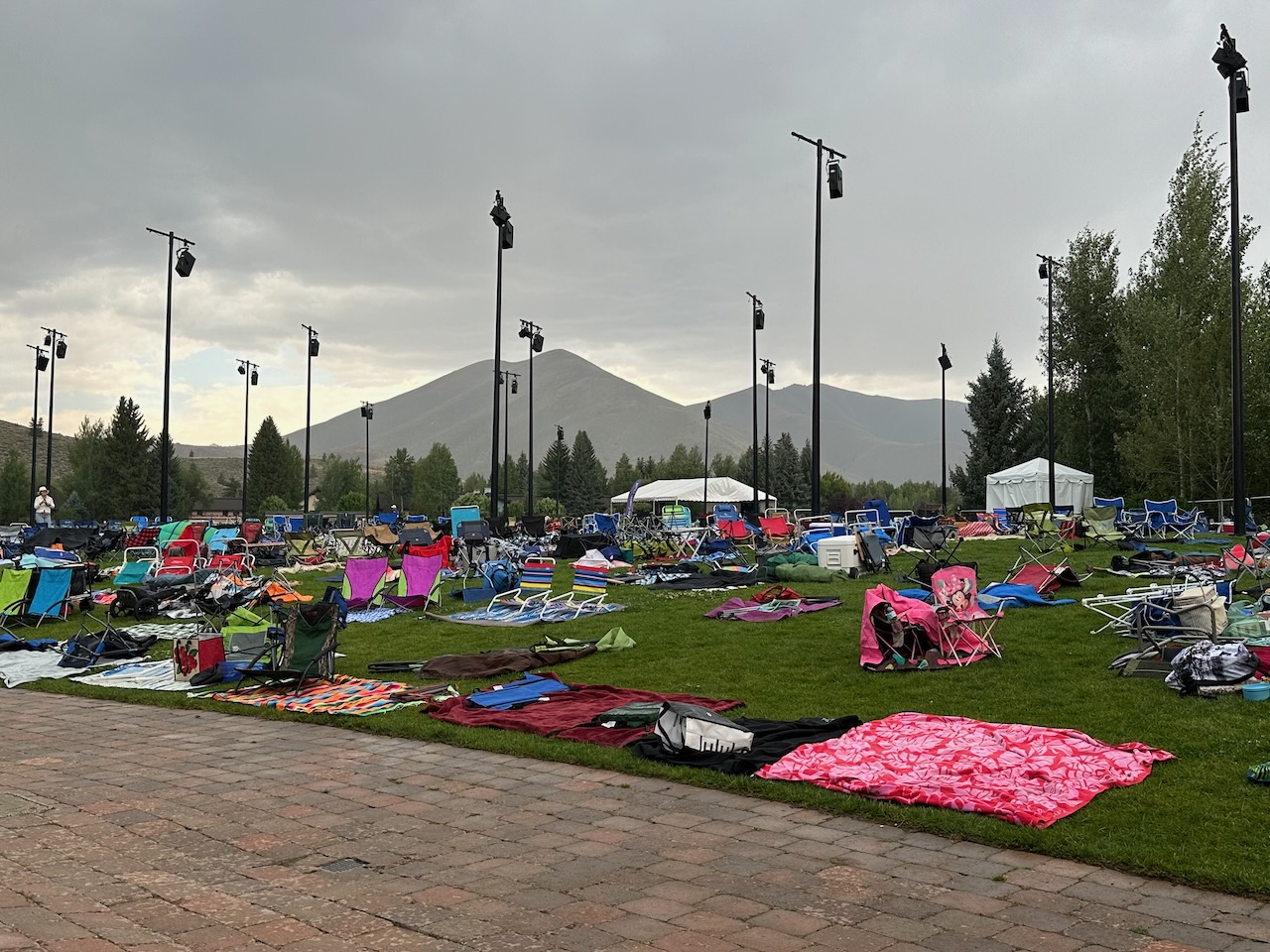
If we can predict the future, why did we schedule the gala performance on the night of an enormous summer thunderstorm?  

How might we recognize that we cannot predict the weather and, therefore, probably cannot anticipate other critical future events? Perhaps we should leave space in our planning to adjust and reroute.

Risk Management

If we care about the well-being of those we serve, we might need to make difficult decisions on our fans’ behalf. This might require canceling our signature event. Despite all the planning and costs, risk management considerations are prioritized over the financial or reputational damage. In the fire service, a Safety Officer was positioned at the Command Center during large incidents and could cease any operations they deemed dangerous to the well-being of the responders.

How might we balance delivering our mission while preserving the health and welfare of our community?

Changing Topography

The power of generative conversation is similar to playing in a sandbox. We can build, alter, and discard ideas without worrying about the constraints of reality. Like the Topography Sandbox, we can quickly alter the terrain and consider new possibilities. How might we make room for generative conversation in our next meeting?

Other Ways of Seeing

Tsugaru Iwaki Skyline, Japan

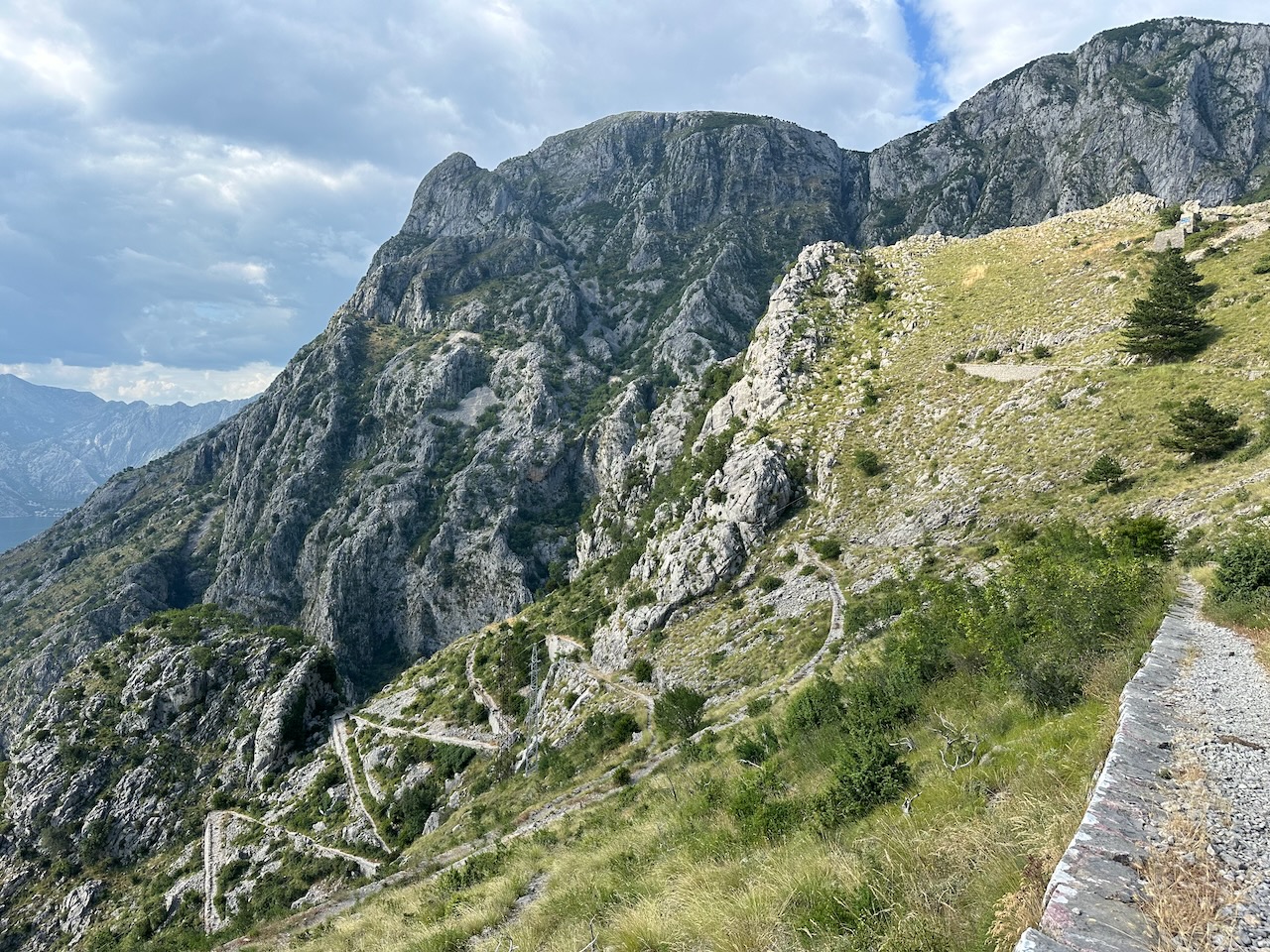
When we glimpse this image, we might see different adventures. An auto enthusiast might consider how a sports car handles this route, road cyclists might see a climb with endless switchbacks, a skateboarder might consider a possible descent, a drone operator might think about a viable video, and a landscape artist might see a subject matter to paint. Others may see the consequences, a fear of heights for a car passenger, an engineer who wonders if a better design existed for the road’s construction, or an environmental conservationist who ponders the necessity of the road.

How might we allow for broader interpretations of a subject beyond what is immediately apparent?

Murder Mystery versus Suspense

If you are writing a murder mystery, you must know the ending in order to sequence the narrative and clues. If you are writing to create suspense, you just require a situation. This is the reflection of the iconic author Margaret Atwood during an interview at the Sun Valley Writers’ Conference.

If you are trying to write a plan that predicts the future, then you need to know the ending. If you are writing a plan that focuses on creating a better version of your enterprise, you need to decide which direction you intend to travel.

Although the distinctions are subtle, it changes the mindset and the focus of the author.