Uncategorized

Your Finish Line Might Differ

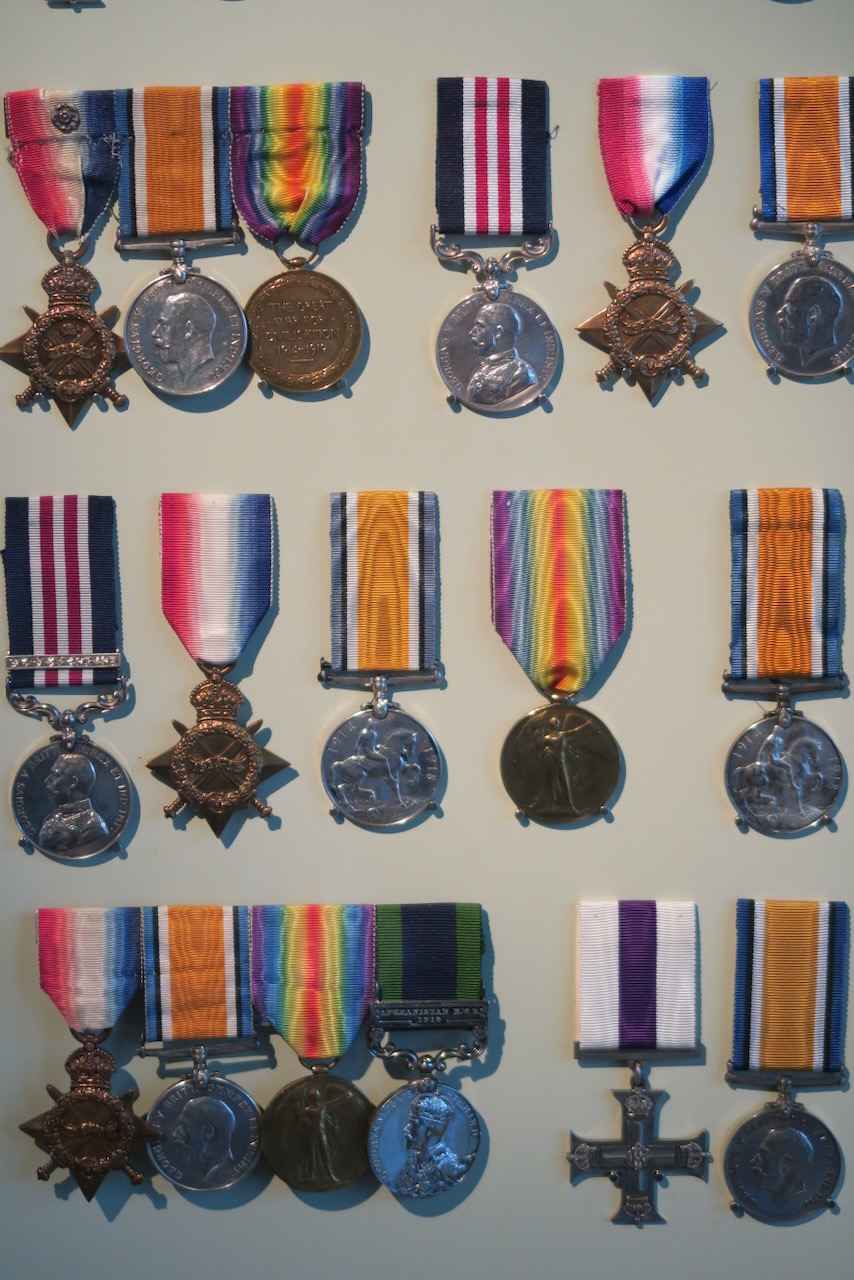
Competition provides a framework for scoring and usually consists of a start, middle, and finish. When we compete, we understand the expectations. If we assume an infinite mindset, we may advance a cause for a leg of the journey but ultimately not serve long enough to see the enterprise reach the finish line. In reality, the finish line is often stated in our cause’s vision. Finishing means fulfilling the vision and probably requires substantial course adjustments and/or the realignment of the organization. Staying in the race may be the most formidable work.

Ice Breakup

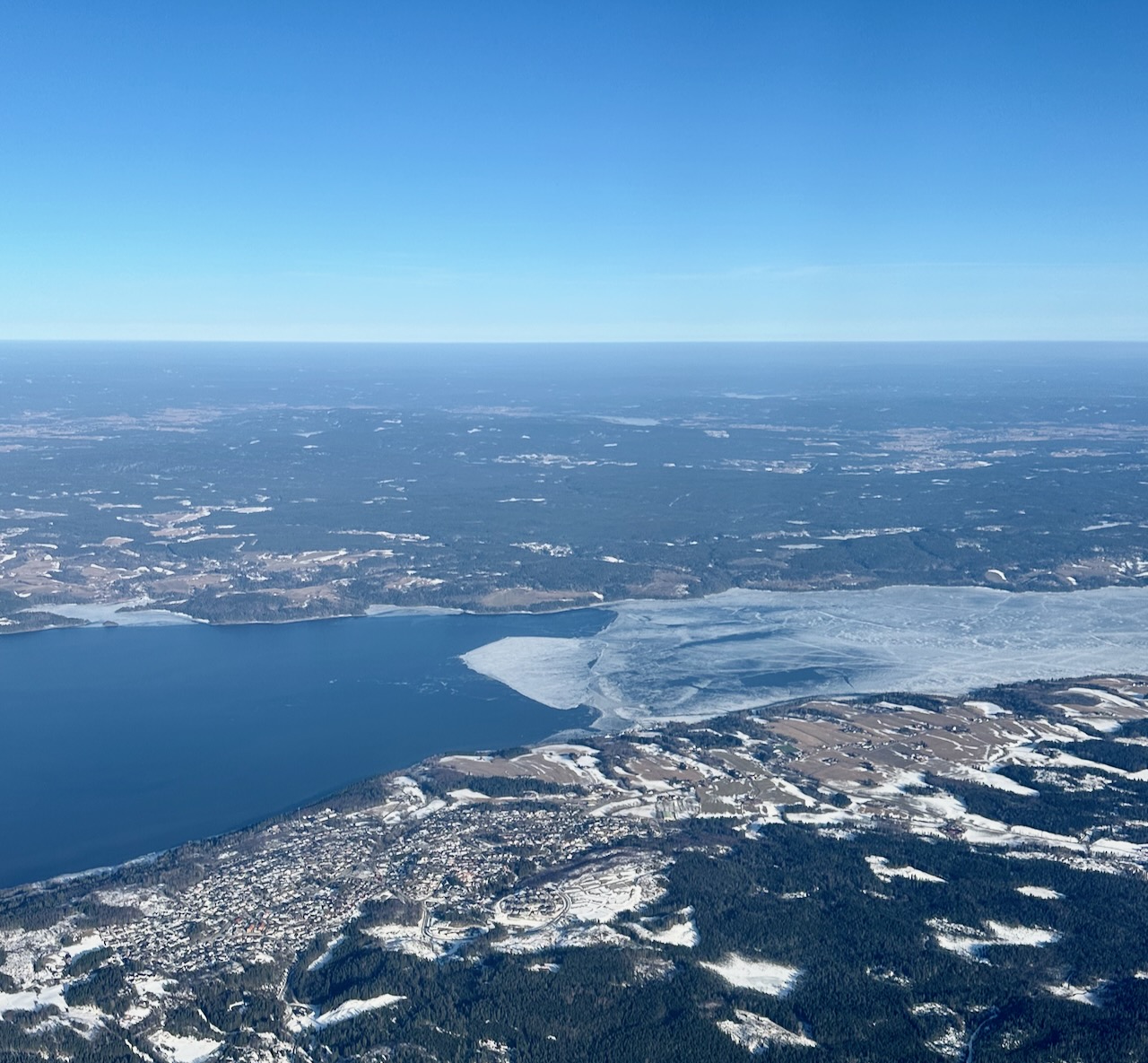
At some point, winter ice surrenders to the warmth of spring, and a new environment is revealed. There is a liminal moment where two seasons are suspended in brief animation, occupying the same spot but representing different outcomes.

How might we embrace these transitions to gain insights that may not be available for the rest of the year? What are your enterprise’s ice breakup events?

Motivation to Start

What gets you to the start line? What motivates you to line up when the weather is adverse, the traffic is challenging, and the number (or lack of) participants is overwhelming? What internal dialogue breaks through all the options that might dissuade us from showing up? What keeps you returning even when the results are less than your best or you feel unseen? What keeps you competing when the expectations get too high?

Sometimes Progress is a Place in Line

I raced the Engadin Ski Marathon in an all-day blizzard, with an amended course due to snow threatening the stability of the ice on the larger lakes; it was a unique iteration. Due to the snow and windy conditions, a preferred racing line became evident, and long queues of racers formed. Overtaking other competitors required a significant energy investment to ski in the deeper powder and headwind. On challenging days, the mentality favors those who can keep their mindset on progressing when the opportunity appears. A gap in the line forms, and one can jump ahead and wait for the next chance. But sometimes, remaining in the line is the best strategy, and navigating the biggest pinch points, this act abides by the unwritten racing rules.

Under the Lights

Adventures under the lights change the experience. Backpack with a headlamp, soccer in the park with flood lights, running among street lights through a new town, or ice climbing aided by spotlights. Some elements move faster, a few details are more pronounced, and our peripheral vision might diminish. The sensations around the activity are altered. It transforms our mindset.

What alterations might we make to group activities to facilitate a new experience? A summer camp I served scheduled camp programs for the board to participate in, aiding our ability to assume a camp mindset. A horse pack trip, backpack, or trying camp activities brought out the joy of camp and an appreciation for the resources dedicated to these programs.

How are you incorporating mission moments and activities into your team’s engagement? How might changing just the time of day, meeting room, lighting, agenda, or guest speakers alter your team’s mindset?

Tools and Knowledge

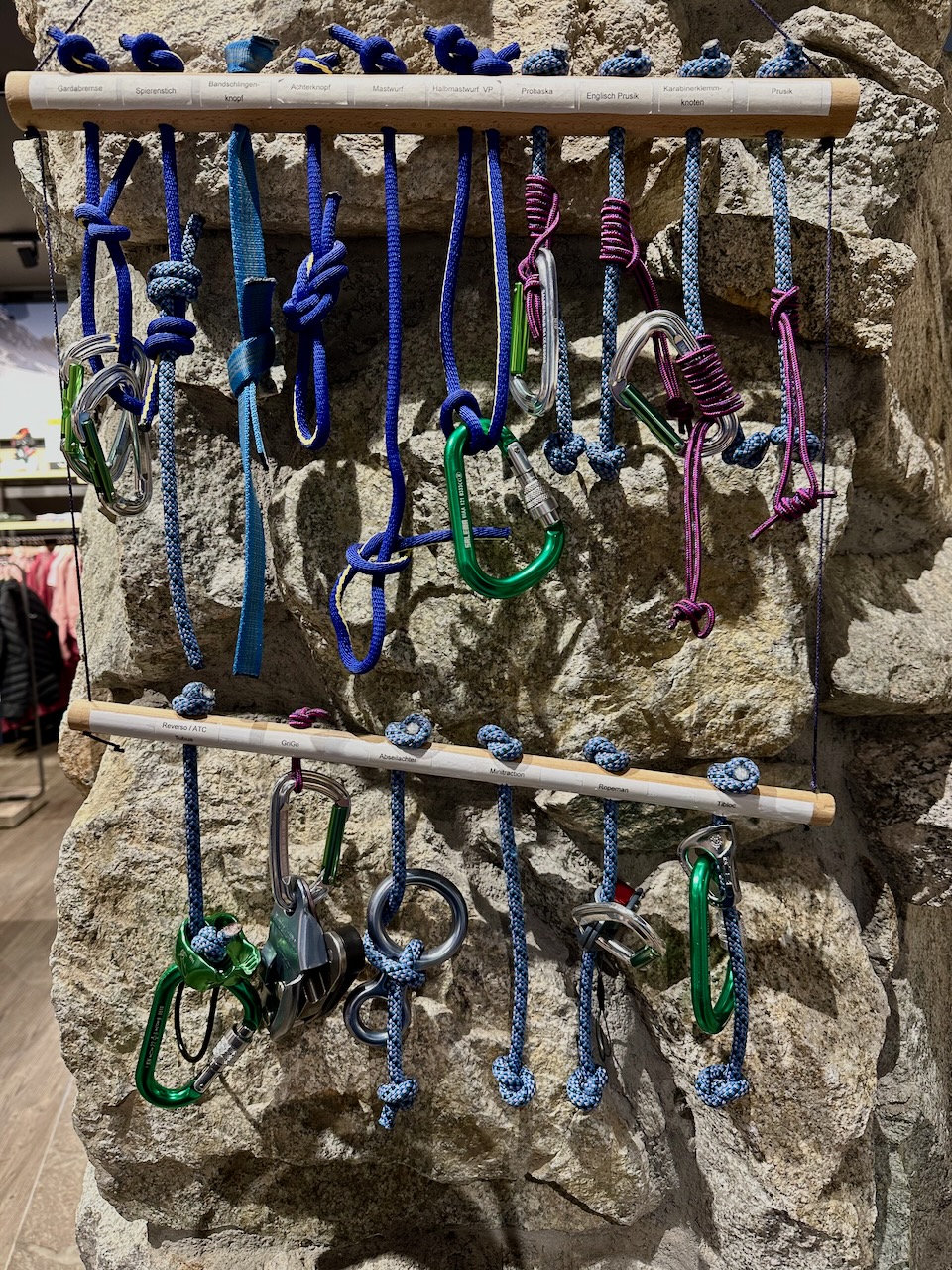
When I was in my teens, I participated in a 30-day mountaineering course. While rock climbing a peak in the Wind River Range of Wyoming, I got off the selected route and reached a pitch that required more proficiency than I possessed. I spent fifteen minutes communicating (shouting loud enough to be heard) with the instructor, who was on a ledge above me but could not see what obstacle I had encountered. Eventually, I down-climbed 100 feet before I rejoined the primary route and could start ascending. I had all the required tools, harness, helmet, carabiners, climbing shoes, a well-established route, and the safety of a belayed line. I lacked an understanding of how to identify the chosen route when multiple options appeared.

We can possess all the necessary tools but still need the ability to deploy them correctly and make real-time decisions. Going into the backcountry with an individual who owns the newest gear but has limited experience does not guarantee success. Understanding which equipment to deploy and relying on wayfinding skills are both important. How might we value both abilities in our own enterprises?