Storytelling and Audience

Great storytellers are quickly bored without an audience to share their craft.  They thrive with interaction and an engaged audience.  The same is true for meetings.  If we simply wish to report out what we already know the meeting could have been summarized in a YouTube video.


How do you make a meeting meaningful?  Do you engage your audience?  Do you tap into the attendee’s wisdom?  Do you seek the advice of your audience?  Are they critical to the story? 

One of the best resources I use repeatedly when it comes to executing a fundraising campaign is Stuart Grover’s book Capital Campaigns.  He does a tremendous job of outlining the key steps, considerations, and resources to execute a successful campaign. What is most effective is about Stuart’s method is that it is simple and focuses on the fundamentals.

When it comes to asking for money, the process is clear that most individuals expect to be solicited for contributions. In fact the average American is barraged by appeals (email, mail, websites, phone calls, text messages, special events, etc). What helps differentiate the truly successful organizations and their fundraising efforts and the ones that just make a lot of noise is the ability to align donors with individuals they trust. If a potential donor hears from a trusted source they are much more likely to give serious consideration to making a donation. If you are the trusted source that is making the appeal, then you ability to communicate that you have invested your time, talent, treasurer and/or touch (as outlined in the Generosity Factor) is a essential. You have put some poker chips into the pot- so to speak. You have made a commitment and now you are sharing the opportunity for others to join you in this tremendous opportunity.

How do you connect with your donors and supporters? Do you have the right trusted source connecting with right donors? Has the person the donor trusts made a significant investment of their own in the project?

Practice Makes Perfect

In the continuation of the discussion inspired by the book Outliers the idea of practicing harder and better than anyone else was proposed as a key to success in Pete Carroll’s 60 Minute interview. Coach proposes that the most prepared players are the ones who succeed on Saturday even though they are not always the best players. The NCAA proposes time restrictions on the duration of athletic practice for student-athletes so the very ability to reach the 10,000 expertise hour threshold proposed by Gladwell (see Lonesome Dove post) is hindered by regulation. Much of the extra training takes place on personal time- weight training, film review, sports therapy, etc. How do you maximize the effectiveness of limited practice time? What does your team need to do that is most fundamental to its collective talents? There is a story about putting the ‘big rocks‘ in first (worth the read if you have not already). Are you putting the big rocks in first and then working with the pebbles and sand or is your practice/day/meeting run by the sand and pebbles? I believe that more than one great meeting has reached a single important decision and had far more impact than a meeting that considered many inconsequential issues.

Happiness Index

Yes! Magazine reported recently on the Happy Planet Index.  Using the following criteria, they created an index to measure the happiness of countries across the globe: 

How happy are the citizens?
How long do they live?
How much of the planet’s resources they each consume?

Costa Rica received the highest rating with the United States in 114 out of 143 countries.


How do (or would) you measure the happiness of your cause?  If you developed criteria for your board, staff, customers, what questions would you ask?  Do you consider how many board members complete their full board term, attendance at meetings, participation in meetings?  Would you track the number of sick days used by staff or if they were Facebook friends?  Do you measure the number of customers willing to recommend your organization or the number of complaints you receive?


How do you measure happiness for your enterprise?  Is it important?

Measuring Success or Something

“Not everything that can be counted counts, and not everything that counts can be counted”

John Allen Paulos, The Way We Live, 
 The New York Times Magazine, May 16, 2010

There is a fascination with measuring our progress or lack there of in all facets of our lives and those of the organizations that employee us.  Many of the fundraisers in the nonprofit world keep track of the number of donors, the dollars contributed, the average size of gift, the number of donors who increased or decreased their gift, and the favorite category of LYBNTs (Last Year But Not This).  I am reminded of Jim Collin’s example in, Good to Great and the Social Sector where he highlighted a cultural organization that measured success by annecdotaly tracking number of taxi drivers who recommended the organization’s programs when they drove out-of-town guests from the airport to downtown.  The Robin Hood Foundation in New York employees an economist full-time to measure the potential impact a program might have on the future earning power of youth living in poverty.

A key conversation Mr. Paulos highlights is the subtle shift that weighted criteria can have on the final ranking.  It sounds simple but in fact many of us are so desperate to quantify our cause’s impact that we gobble-up the data without thinking about its context.  As Mr. Paulos suggest, “counting and aggregating- have important implications for public policy.”  

What if we asked the following questions before we every looked at the bar graphs, pie charts and reports, ‘What did we intend to measure?  What assumptions did we make?  What criteria did we use?  What flaws are inherent with the data?’

Managing Change

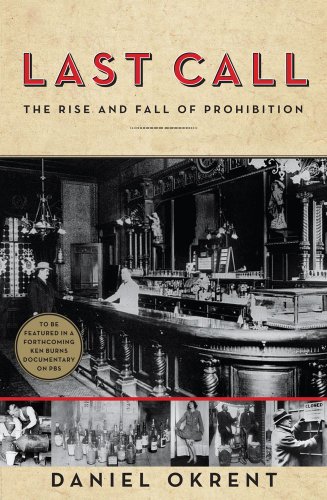
The drugstore Walgreens grew from around 200 stores to over 500 during Prohibition.  The most significant catalyst for the store’s growth, they were able to fill prescriptions for medical alcohol.  In Daniel Okrent’s book, Last Call: The Rise and Fall of Prohibition, he unveils a series of Prohibition loopholes that have impacted everything from the creation of the woman’s powder room to bar closing times to the very brands that are considered the market leaders today.  Sometimes the market creates opportunities that nobody anticipated.

Zoo

I just returned from a four-day Second Grade spring trip that culminated with an overnight at the Pocatello Zoo.  Speaking with the zoo administrators at the end of the trip, they told us that Pocatello Zoo is one of ten in the nation that focuses exclusively on native animals found in the state of Idaho.   The animals in captivity are ones that cannot survive in the wild due to injury or other constraints.  To put the market in context, the Association of Zoos and Aquariums estimates that there are 2,400 animal exhibits running nationally.  


When considering ways to stand out from the crowd and enhance your competitive advantage consider the Pocatello Zoo.  By focusing on native species they are no longer in direct competition with the rest of the zoos in the region.  There is no need for a new tiger or giraffe which come at tremendous cost.  They are educating the public about what one can expect to find in the very hills and valleys behind the zoo.  A subtle paradigm shift from the traditional zoo changed their market.

Photo Credit: Pocatello Zoo Website

Field Trip

Do you meet in the same room every meeting?  Do people sit in the same chairs?  Is the format of your agenda the same each meeting?  Do the same people make similar reports?

Sounds like it is time for a field trip.  Why not partner with a peer organization and hold a joint session of the boards and staff?  Take a tour of one of your programs in action.  Have a participant in the program lead the tour.  Meet in a new location- remember when the classroom teacher would take the class outside on a perfect day in May?  Walk, ride bikes, take a rafting trip down a section of river your organization protects.  Connect in a new way and the results will be spectacular.