consequences

Celebrating Halfway

How does it resonate if I celebrate running a marathon at the half-marathon mark? A half-marathon is an accomplishment, and on its own, the result would be worthy of sharing. However, in the context of a marathon, it is simply fifty percent of the work, and some suggest less than 50% of the mental and physical exertion. If we state the big goal, our progress bar is correlated to the total distance. Is it necessary to reach the finish line to celebrate the journey?

How might we understand the implications of announcing an ambitious goal? Is there significance in the effort if we do not reach the destination? Is exponential value delivered to those who complete the course versus those who commit to an effort and cease before crossing the line?
Setting Limits

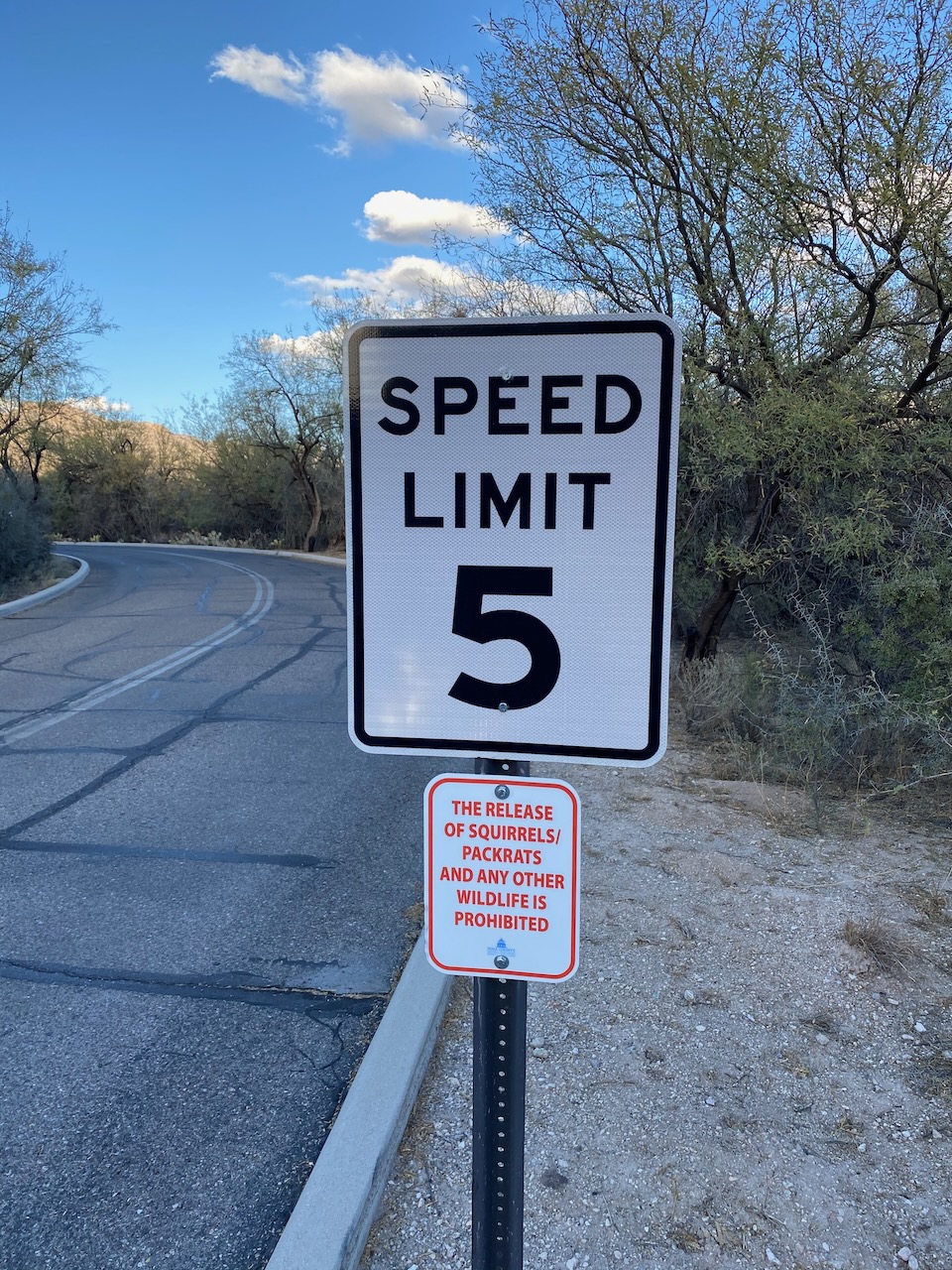
The British Cycling Time Trials group advised cycling promoters to no longer hold time trial events on roads with a speed limit of 20 MPH or lower. This decision is due to safety concerns and is intended to reduce cyclists moving at a speed greater than motorized forms of transportation.

When do governors and limits make sense? Does directing a cyclist to a higher-traffic road with a 50 MPH speed limit from an infrequently traveled rural road with a 20 MPH speed limit so the offset of speed is in favor of motorized vehicles make the most sense? We might place limits to establish norms and expectations. Which of our manufactured rules make sense, and which are easier to defend in a debate so we carry on even when the consequences are misaligned?

I know of a board that had a compulsory attendance rule for meetings. Board members were marked absent even when they traveled on behalf of the organization to events such as a national conference. The rationale was that it was easier to mark the individuals absent in the minutes than to note the board members were on assignment. There were two options in the minute template, ‘present’ or ‘absent,’ but nobody dared to address the unintended consequences and redesign the template.