Decision-making

TOGA

In aviation terminology, TOGA refers to a Takeoff or Go-Around thrust setting (essentially the maximum power the engines can produce). It is used only when required since it puts more wear on the engines and creates a greater environmental impact. However, if the conditions dictate, such as a tailwind close to the maximum allowed for a specific aircraft type to achieve take-off, TOGA might be the mandated setting.

What events in your enterprise require TOGA? When are all the resources in your organization needed to achieve your objective? When has your cause used TOGA, but a lower level of exertion would have sufficed? Who and how do you decide?

* Informative video of a pilot describing the procedure for an Airbus A330neo.
History or Opportunity?

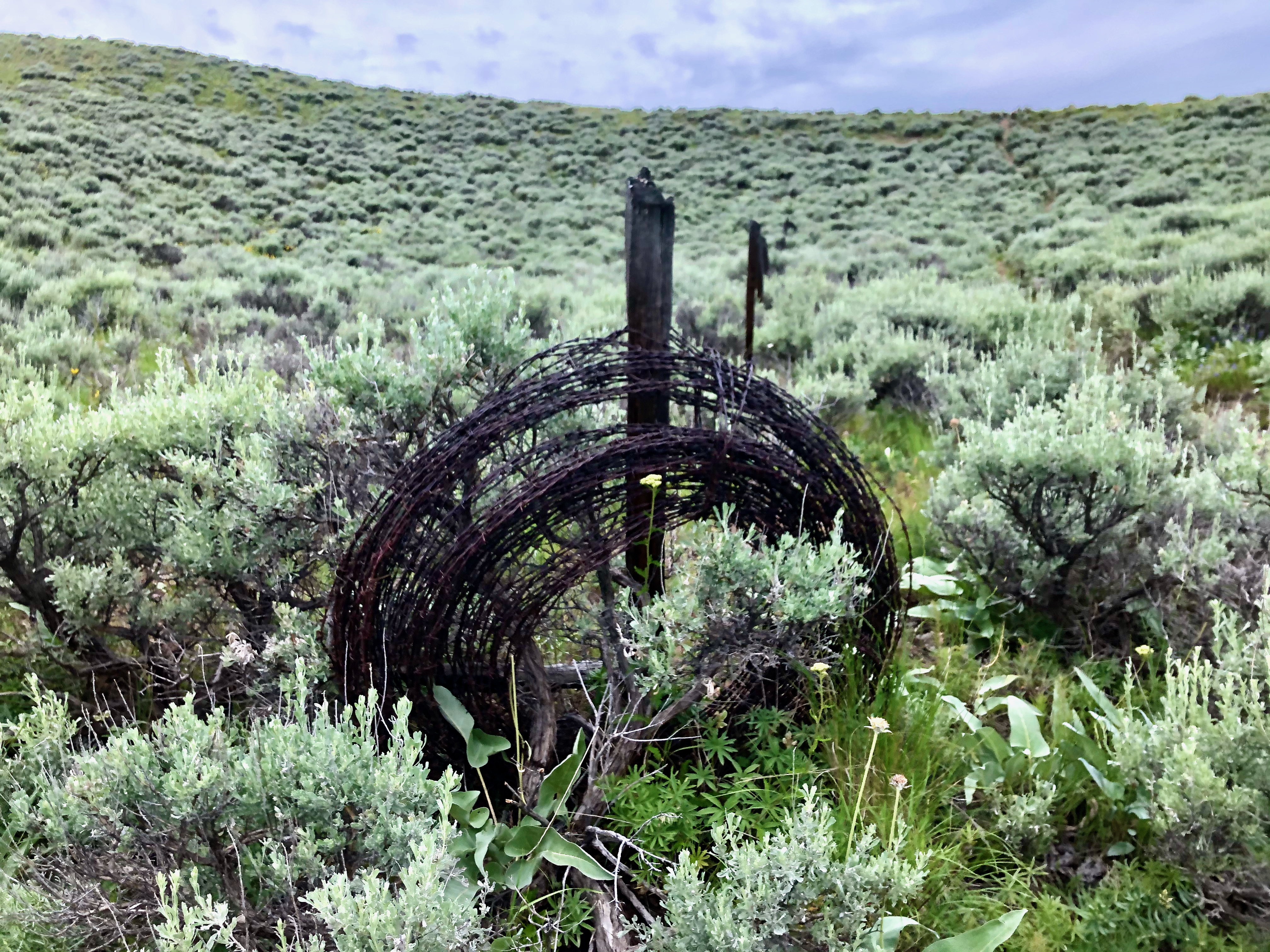
Encountering a section of barbed wire fence that is coiled and leaning on an old fence post creates a moment of reflection. Does this fence line represent an era that is coming to an end? Or is it an opportunity to repurpose the fence line and generate a new narrative? A finish line can also be a starting line.

I recently completed a site visit for a youth education group. The former tenants of the building ran programs for preschool children. In the expansive community room, preschool furniture worth tens of thousands of dollars was piled high. It reminded me of the scene in the government warehouse from the movie Raiders of the Lost Ark. The preschool provider’s narrative is complete. The question now is whether somebody will start a new story by dispersing the preschool treasure to partner organizations. Will the provable fence line be revived or left dormant?

Creating Disruption

Swiss Federal Railways (SBB) banned select Deutsche Bahn (DB) trains from traveling into Switzerland due to their chronic late arrival. The Swiss have declared that late trains disrupt their network too much, so it is better for them to terminate the German service at the border and run SBB trains onward into Switzerland.

Which partners does your work rely upon that consistently disrupt your results? It might be funders who distribute grants late, local government slowed by bureaucracy, another nonprofit organization that needs constant prodding, volunteers who are not engaged effectively, or your own board that is risk-averse and requires more time for contemplation.

We can script a nimble timeline, but the human element often has a bigger impact than we might anticipate. How might we construct alternatives or more flexibility when relying on other components? When do we decide to pause/terminate a partnership because the impact on overall performance is unsustainable?

Customized

Airlines do not have consistent rules for carrying-on bag size and weight restrictions (see the above photo for context). Passengers must do the research to determine if their carry-on bag qualifies for a specific airline. If the airline industry agreed on a universal standard, it would reduce passengers’ stress and align the baggage industry. A worldwide standard would allow for consistency at the scale of commercial airlines.

We need to decide where to offer customizations and where standardization is required. Customizations are frequently made for donors to social sector causes. Rules about naming, the timing of the gift, the way the contribution is credited, or a plethora of other details are up for discussion. How an organization’s annual report is filed with the Secretary of State contains minimal choices. Knowing what we are offering and its purpose might help us navigate our level of flexibility.

Choices

When do choices become overwhelming? Does the scale of the decision make it more or less essential to have greater choices? When buying a toothbrush, do you want an expansive selection? When selecting a new CEO for your cause, do you want an equal number of choices for the final round? Do the consequences of our choice change the options desired?

Disruption

What activities do we disrupt to focus on alternate action? Brushing my teeth, I often pause to take on another task before I return to finish the job. A spontaneous comment can carry a team off the agenda and into problem-solving mode in meetings. A single large donation can alter an organization’s strategic priorities. A law change from the state legislature might modify how programs are executed.

How might we assess whether disrupting one activity for another is intentional versus snack food satisfying? How might we honor fidelity to the act of decision-making?

Credibility

If we believe in a cause, we invest our resources in its work. A banking institution might be credible due to the federal and state regulations it adheres to, the accreditation it receives from banking regulators, and the FDIC insurance that protects our deposited funds. A social sector enterprise might obtain credibility for the standards and practices it follows, the integrity of the board and staff members, and its history of service.

What attributes must be embedded in a cause before you feel motivated to make an investment of time, talent, treasure, or touch? What is the tipping point for you to risk your social capital on behalf of a cause? Would credibility be one of the factors?

What makes us willing to

Binoculars

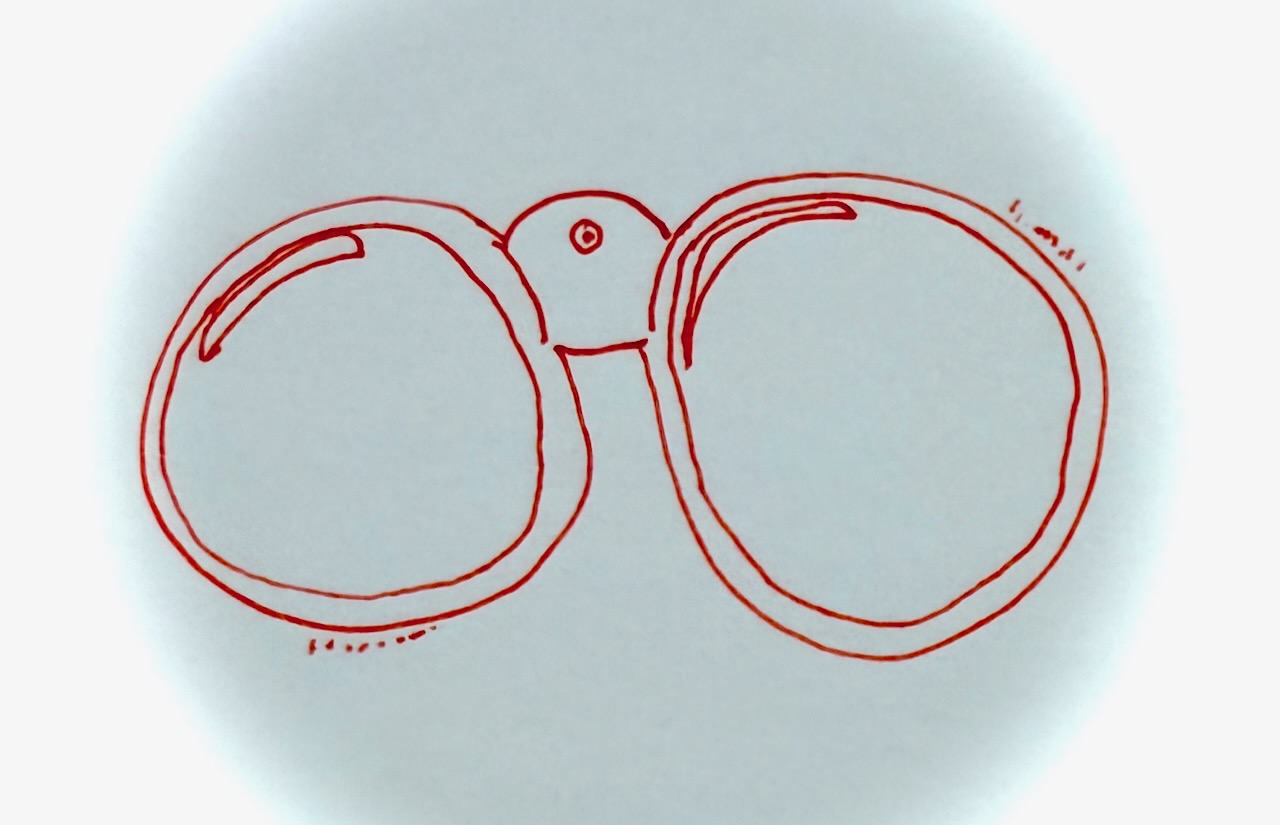
Binoculars are a liminal object to me. Most binoculars I have encountered are safely positioned in a case or sitting static on a shelf; they are more accessory than instrument. But, when required, they can transform quickly. Is that a wildfire on the ridge? Is there a vessel at sea requiring assistance? Is that an Ivory-Billed Woodpecker? Did my favorite musical artist playing in a mega stadium change into a new costume? Who walked into the building at the far end of the property?

Using them constantly makes the world myopic, and our sense of scale is unrealistic. By deploying them randomly, we spin the wheel of serendipity, hoping a worthwhile subject will appear. Treating them as a resource can enhance our culture of curiosity and provide confirmation of our interest or render the subject matter a lower priority.

What are the binoculars of your enterprise? What can your team leverage at key moments to make sense of the territory ahead?

Fatigue

What tendencies appear when we are tired. As an endurance athlete, tripping or forgetting to take in fuel is more common later in an event than when we are fresh. As board members, we can be less precise in our deliberations when making decisions at the end of a long meeting. When is your team’s peak performance phase? If possible, schedule the hard part when there is a likelihood of higher engagement and better outcomes.