Decision-making

Any Stick or That Stick?

Are you seeking any stick on the trail or a specific stick? Sometimes, any stick will do. Trying to start a campfire, kindling and branches of different sizes are welcome. If you need a walking stick, the optimal length and width narrow the potential inventory. Looking for something long enough to rescue a friend who has fallen through the ice, we might try anything we can grab. For an artistic door handle to serve as the finishing piece on a custom-made door, the criteria increase exponentially.

When any stick will do, there is a limited need for evaluation (snake or stick?). When higher-order decision-making is desired, consider drafting a strategy screen (a key step in David La Piana’s The Nonprofit Strategy Revolution framework). Developing filtering statements that guide future decision-making is best done in advance instead of under the pressure of a deadline. If we replace sticks for initiatives, what follows is a potential start to a strategy screen (customization of this template is encouraged):

  1. Is the initiative aligned with our Magnetic North (Purpose, Vision, Mission, and Values)?
  2. Is the opportunity consistent with the strategies outlined in our strategic plan?
  3. Does the initiative benefit our customers? Does it help us be of greater service?
  4. Does the opportunity leverage the trust we built with our supporters and community?
  5. Is our cause committed to doing the work that matters to launch the project?
  6. Does the opportunity enhance our connection to the community we serve?
  7. Are we replicating or duplicating a similar initiative curated by one of our partners?
  8. Do we have the resources to manage the opportunity (staff, fiscal, facility, expertise, etc.)?
  9. What is the evaluation of the risk management exposure?
  10. What is the length of the commitment?
  11. What is the geographic service area the initiative covers?
  12. If the initiative launches successfully, can we sustain the project?
  13. How might we unwind the endeavor if necessary?

A side benefit of the strategy screen is that if you represent an organization that is on the receiving end of frequent requests to launch and partner new programs, share the strategy screen with the individual proposing the project. Explain that these are the criteria that the decision-makers (staff, board, membership, etc.) will use to make an initial evaluation of the initiative. It makes the decision-making process more transparent, and the advocate may have insights on answering specific strategy screen questions. 

Lastly, I recommend using the strategy screen like a street light, applying green, yellow, and red coding as you answer the screening questions. All green does not mean proceed, nor does a single red light mean the initiative fails. The screen represents a guide to support your cause’s best decision-making and enrich a culture of curiosity.
Shuffle

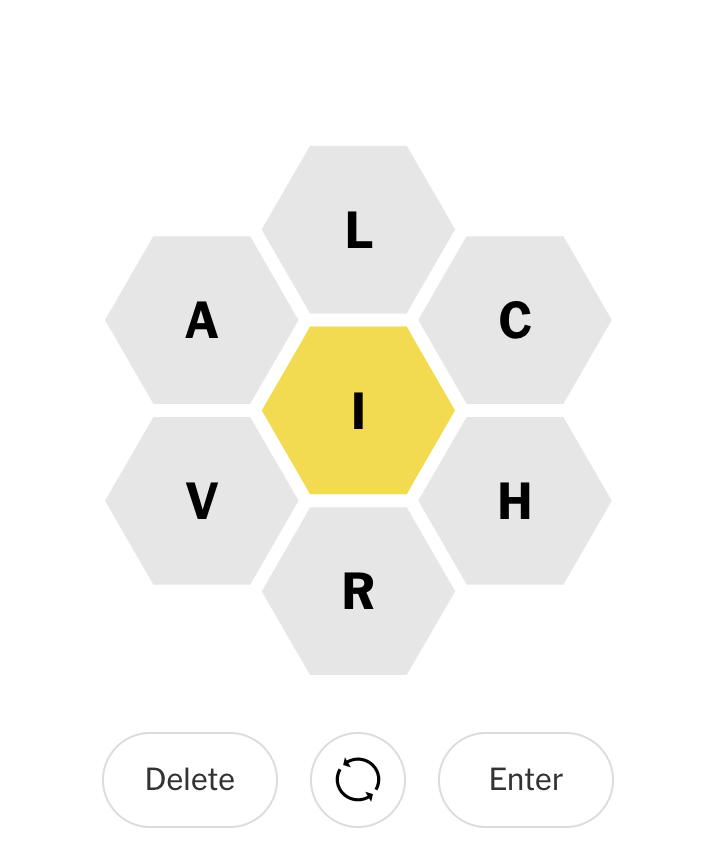
The shuffle button is the most influential option when playing the New York Times Spelling Bee game online. Click on the shuffle button, and the letters rearrange themselves, potentially presenting patterns that lead to solutions that a player missed in the previous configuration. A few shuffles during the game and new word choices pop up.

When we engage in high-level decision-making, what is our shuffle button? How do we rearrange the inputs so we do not choose the first solution that appears viable? A few options:

Edward de Bono Six Thinking Hats

Yes, And

Golden Triangle, Balancing Triangle, Cognitive Triangle, Double Diamond, The Future Triangle

OOC/EMR

CARVER

Competitive Advantage

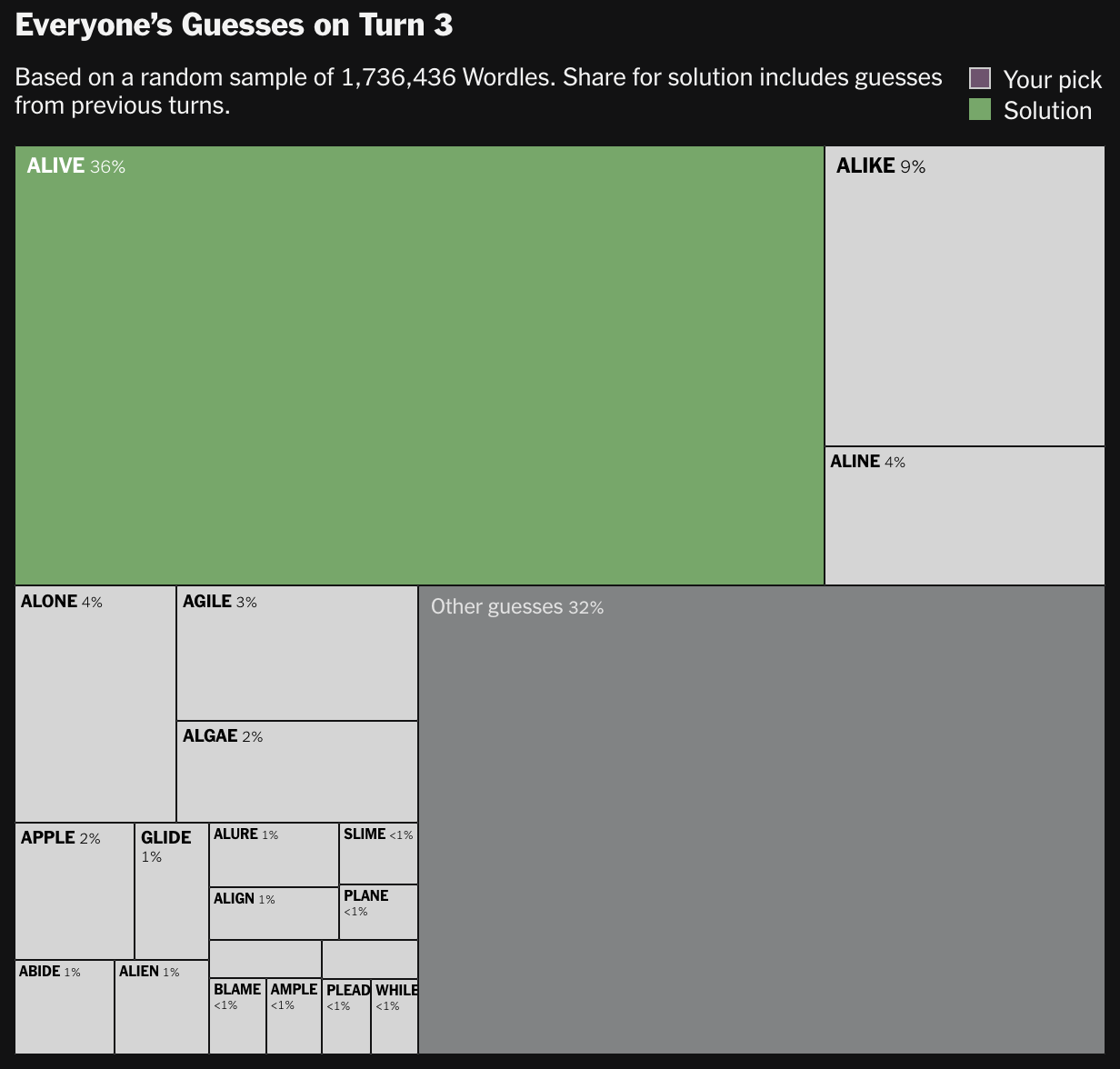
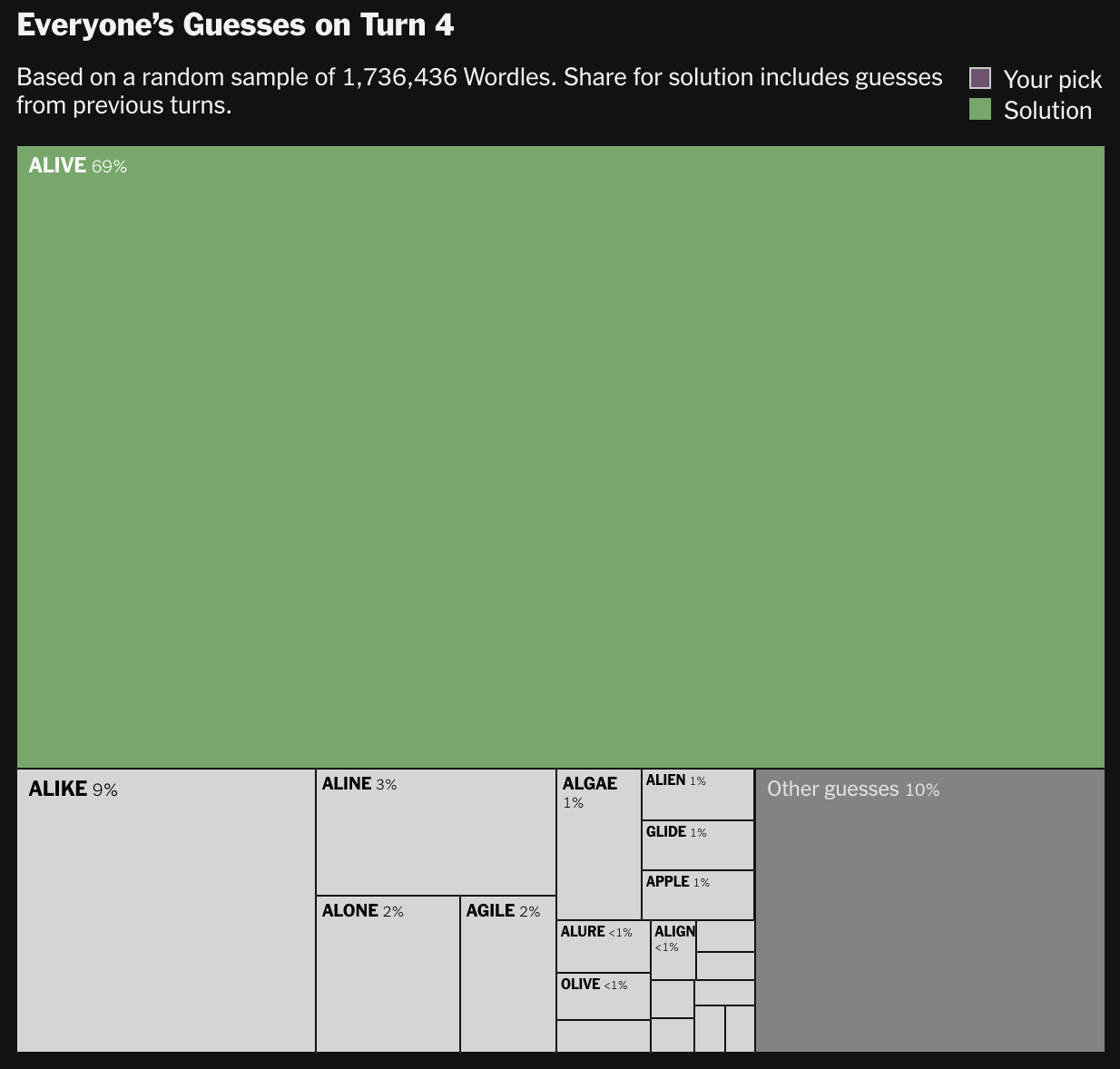
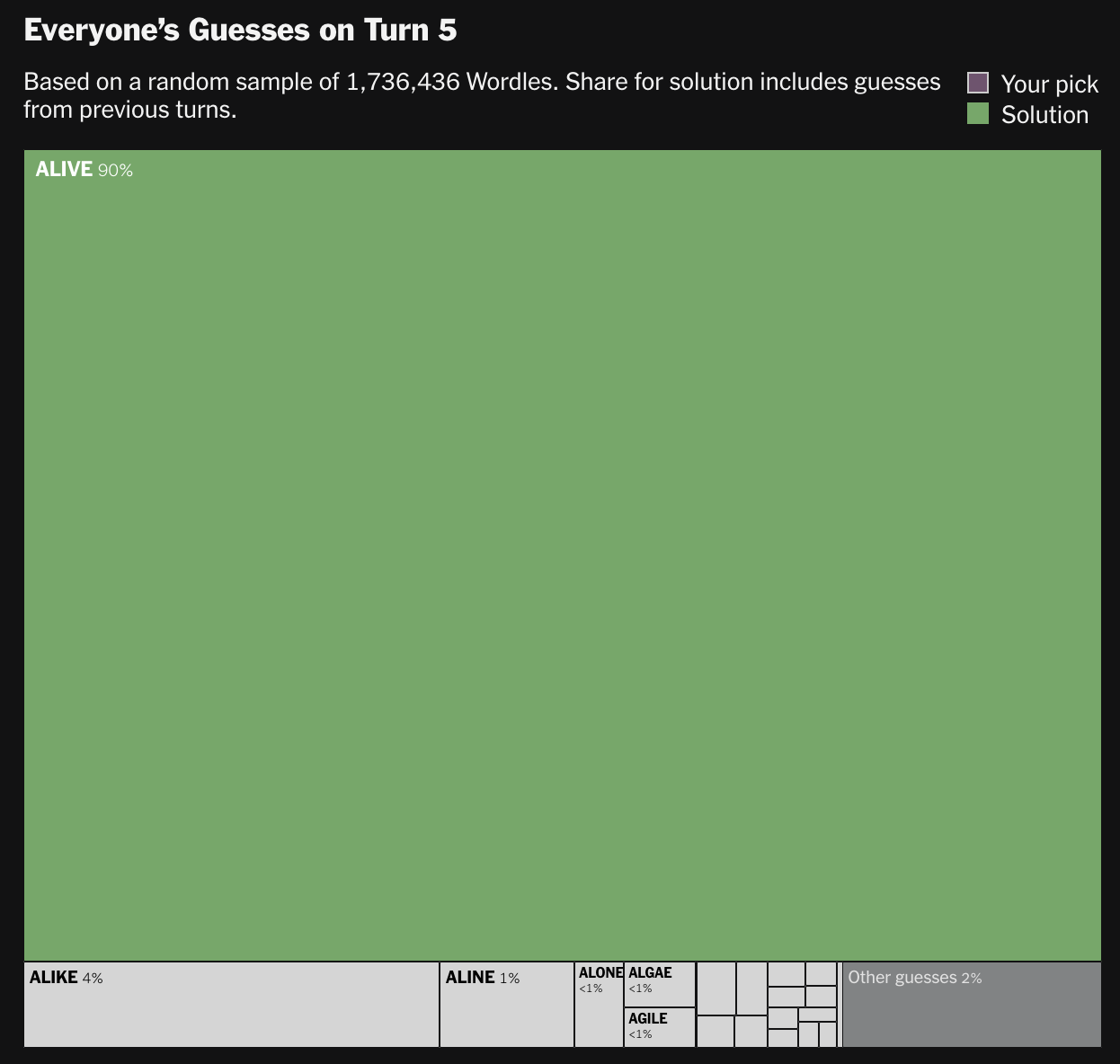
After solving the New York Times Wordle, you can review your results using the WordleBot. The WordleBot breaksdown our guesses versus a large sampling of other players. On most days, a consistent completion rate develops. Typically, ten percent solve the puzzle by their second try. A third are successful by the third attempt. Two-thirds are correct by attempt number four, and ninety-plus percent complete the puzzle on attempts five and six. Occasionally, the wordle aligns with the starting word many players employ, and the success rate is elevated, or the word includes a unique letter, and the results skew towards a lower success rate. 

Competitive advantage in the Wordle world starts when we solve the puzzle by the second guess to be an outlier or the third guess to be in front of the majority. How does this apply to our work? At some interval of time, we will encounter a new technology, trend, or way of thinking. We have a choice, to actively engage the new or passively await the market to sort out the viability of the thing and then adopt when the majority move.Or, be a laggard and await the moment our old platform is no longer supported with updates.

What is the process your team employs to evaluate new opportunities? Who are your organization’s scouts that bring these initiatives to the group for reflection? How does your mindset influence the decisions you make in regard to proceeding, waiting, or ignoring?

*** Tomorrow’s post continues the discussion

Over Time, Data, and Reality

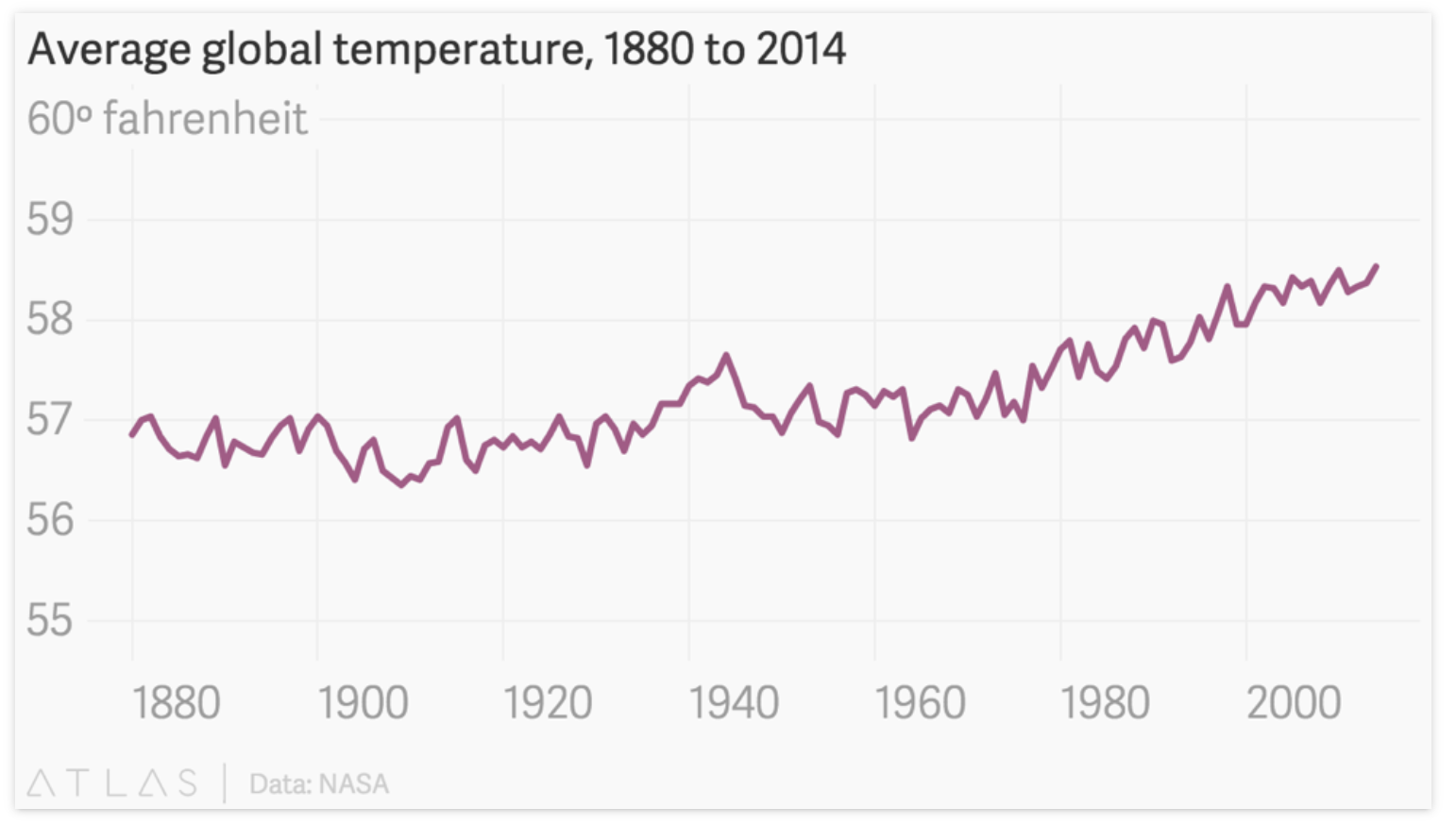
“You just have to look at the data over history to understand that nothing is changing regarding global warming.” Then, my seatmate shared a graph on their iPad. A quick Google search revealed that the image was considered one of the most misrepresented global temperature graphics from 2015 (note the Y axis ranges from -10 to 110 degrees F). A quick Google search revealed a different version.

This is not a debate over global warming trends or historical temperature fluctuations. It is a reminder that presented data can lack fidelity and immediately generate an emotional response. We feel shame or inadequacy that we did not know such a central fact when, in reality, the fact is not really what it appears.

How might we remain curious despite the headlines we encounter? How might we read more, ask better questions, and seek other resources before reaching our own conclusions? Other people may have traveled the same route, but their experience does not mean that we have to serve as their proxy.

The Cost of Next Time

Next time is more than a delay; it might even be a lifetime. Next time is a strategic decision to focus on something else. Next time is passing the last exit on the interstate before the toll booth. There is a high cost to delaying what could be done now. Next time is more than another day; it is a cascade of actions that requires planning and re-routing before returning to the opportunity. 

How might we consider what cannot wait for next time? What are the screening statements that allow us to evaluate opportunities in real-time? How might we have the courage to take the path we need to explore today? In his poem, The Road not Taken, Robert Frost presents, “Yet knowing how ways lead on to ways, I doubted if I should ever come back.”

Next time is a worthy rationalization for amusement ride choices, but postponing until next time can be a paradigm shift for the decisions that matters.

Problem Solved vs Problem Created

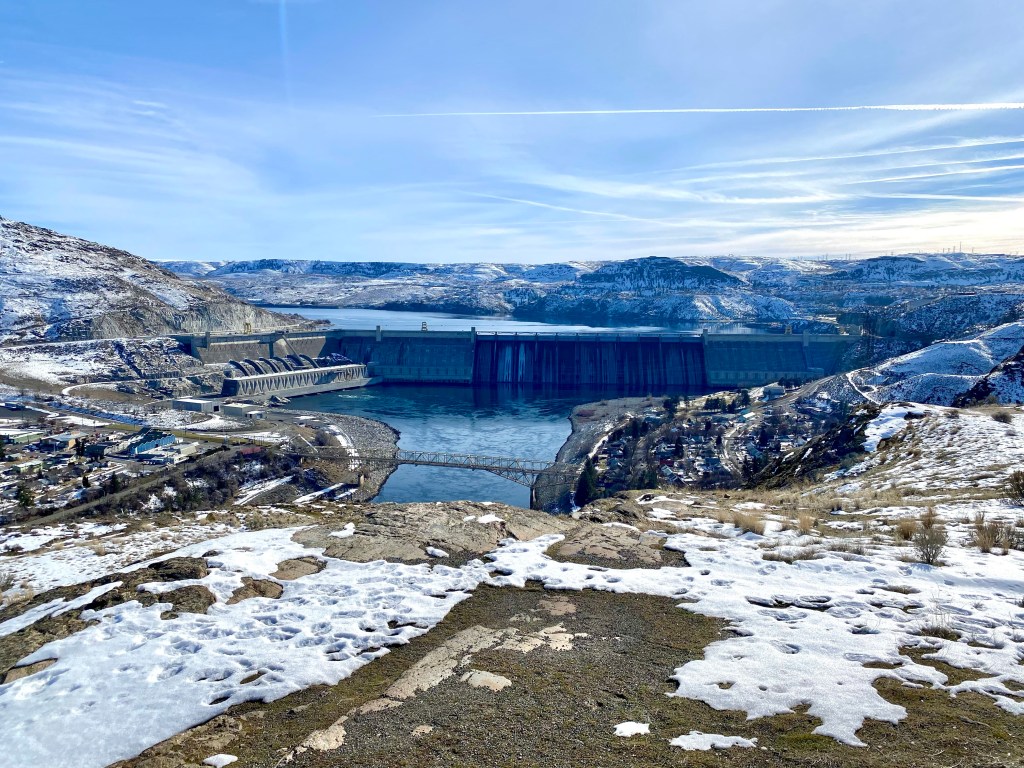
Damming the Columbia River solved a number of problems. It reduced seasonal flooding, allowed agriculture to prosper, generated hydroelectric power, and was a catalyst for local communities to prosper. It also created problems. The dams altered the ecosystem and hydrology of a major watershed, it introduced crops that might not have propsered, obstructed salmon and sturgeon from returning to their breeding grounds without human intervention, and generated inexpensive electricity which delayed investments in other forms of sustainable energy.

Some would classify the Columbia River Dams as one of the great engineering and economic successes of the Twentieth Century in the United States. Others might define the complex as one of the most significant environmental disasters created by humankind. Politicians, citizens, environmental groups, and government agencies are still debating the merits and fate of the dams.

I might be helpful to frame our problem-solving with the mindset that we are both solving and creating in the same act. We should not stop aspiring to be a force for good but we might benefit from recognizing our solution will be somebody else’s obstacle.

Taxi to Takeoff

Do not forget that even when the boarding door closes, we still must taxi before we takeoff. It is convenient to think our flight encompasses only the flying portion. Taxing to the runway allows us to prepare, reveals new insights, and is part of the journey.

How might we realize that a decision does not equate to immediate action? There is a series of events that require sequencing before we are en route.

Watts for Free

In the road cycling community, innovation creates new levels of efficiency. A fundamental measurement for cyclist is the number of watts (power) it takes to reach a specific speed. The ultimate goal is to use the least amount of watts to reach the highest speed, since more power requires more energy. If a rider cycles at an average power of 200 watts over 162 kilometers (100 mile century), then any strategy to reduce their power and maintain the same speed or achieve a higher speed while maintaining the same power gets discussed. Riding in a group and benefiting from the inherent draft is a highly practiced strategy. Done correctly, one can achieve a 30% reduction in power output on the right terrain. First lesson, when the conditions are correct and we work together we are faster as a group than as an individual.

Over a decade ago, the idea of ‘marginal gains’ was added to the cycling lexicon. Teams started seeking minor changes and additions that resulted in micro impacts on an athlete’s performance. When bundled together, a measurable net positive was evident. Strategies included, taking personal mattresses to multi-week races like the Tour de France so an athlete slept on their bed each night. Mobile kitchens and chefs were hired to prepare the athlete’s breakfast and dinner, allowing for individual dietary restrictions and meals that met the extraordinary caloric needs of a tour cyclist. Food is ready when the cyclists required, not when the hotel’s restaurant has time.

Some marginal gains strategies were beyond the capabilities of citizen cyclist to put into practice but others were easier to adopt. Cycling kits went from loose fitting two piece lycra jersey and shorts to one piece tailored sprint suits that were far more aerodynamic. Cycling helmet design evolved from a priority for ventilation to speed. Socks, shoe covers, width of handle bars, and even the bearings in the rear derailleur pulleys redesigned. These equipment updates were not required but some were almost free.

The question becomes, if we know something is faster, do we adopt it into our practice? As a professional cyclist, not evolving to capture ‘free watts’ is detrimental to long-term career opportunities. For the amateur, the selection of ‘free watts’ is personal preference.

What are known practices that would make our enterprises more effective but we choose not to adopt? Are these changes aligned with our values or do we value traditions over change? Are we comfortable with our results or are we seeking greater impact? Where does our Magnetic North (purpose, vision, mission, values) point when we consider new opportunities?

Out-Back Versus Loop

Is there a difference in our mindsets when we commence a journey that is an out-back route versus a loop? Do we prepare or even pace ourselves differently? When we know we are going to retrace our steps, we benefit in both the experience of the moment and the knowledge of the terrain we will face on return. When we take-on a loop, each turn in the trail reveals new information and a fresh challenge. A loop may benefit our sense of adventure and exploration.

What if we consider out-back options when we want to test new techniques or equipment? It provides us greater flexibility if our travels do not go as planned. What if we commit to the loops when we are strategically aligned?

How might our desire to innovate thrive based on our route choice?