Cross-country ski tracks for classic/traditional skiing provide mini-guardrails to align our skis down the trail. Tracks allow skiers to relax a few supporting muscles that might otherwise be recruited to micro-adjustment and maintain a direction. The challenge with cross-country tracks is that a skier is beholden to the route the groomer selects. If the trail goes straight up the steepest hill or descends a formidable downhill, one can stay in the tracks and ski the route as prescribed. Or, a skier can bounce out of the tracks and attempt techniques more suited to climbing steep hills with less effort and controlling speed on twisting downhills.
Just because the tracks exist does not mean they are compulsory.
How might we recognize that ski tracks might be the fastest way forward, but in specific terrain and snow conditions, it is faster (and safer) to ski outside the tracks? How might we remain curious and not rely on compliance as our priority?
How might we design our services with the end user in mind? If we publish a “how to” app but fail to assess which language is native to most users, the app will fail to scale if language is required to navigate the app.
How might we consider the needs of the end user before we consider how well the service works for our portfolio of offerings?
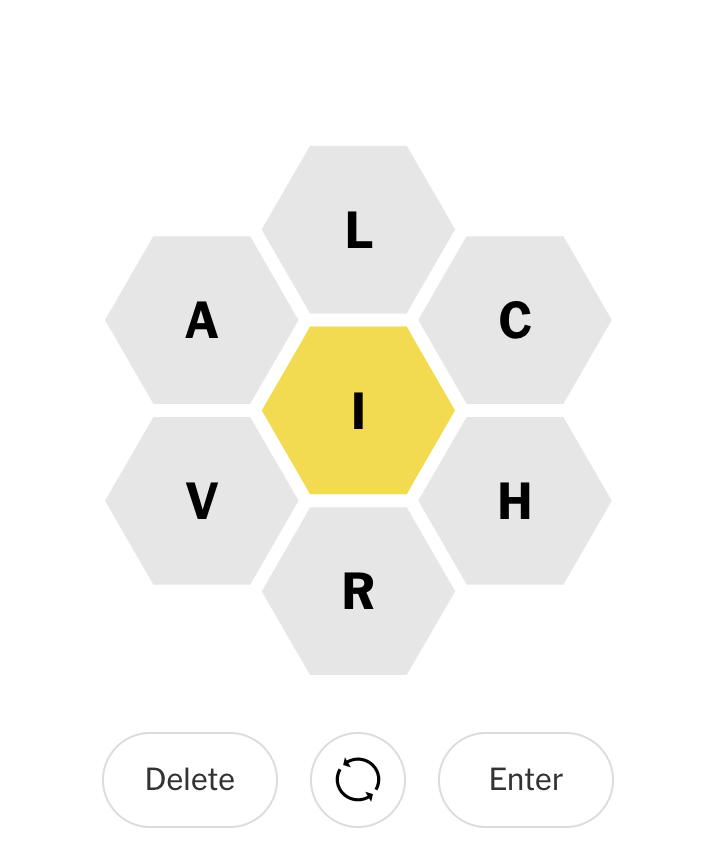
The shuffle button is the most influential option when playing the New York Times Spelling Bee game online. Click on the shuffle button, and the letters rearrange themselves, potentially presenting patterns that lead to solutions that a player missed in the previous configuration. A few shuffles during the game and new word choices pop up.
When we engage in high-level decision-making, what is our shuffle button? How do we rearrange the inputs so we do not choose the first solution that appears viable? A few options:
When it comes to obtaining customer input, executives often think a multiple-choice survey will be the most cost-effective option. They have their place, of course, such as if you want to know the percentage of people who liked or disliked something. But these instruments are shallow and derivative at best, and at their worst they can be annoying and counterproductive. So don’t let them become an excuse for not talking to the customer.
Net Promoter surveys, pre-retreat questionnaires, automated phone calls, and ring the bell if you received good service; each is a tactical way of generating feedback. On balance, they hinder strategic insights from conversations with clients (those receiving your services). A fundamental case for performing focus group sessions or design-thinking workshops is the ability of one real-time participant to build on the idea of another attendee. This process of idea generation does not translate to the opening list of feedback tools. If you run a single proprietor business and the store is only open when you are present, then you have the chance to engage every customer in some type of generative question about why they chose to do business with you. As the number of team members interacting with customers expands, these conversations are harder to generate, and the ideas are rarely collected in a single repository and reviewed. Therefore, it is convenient (for the business) to send out surveys and seek quantitative feedback. This is the detour from human-centered design. If you were asked to select the ‘type of person,’ you are based on one of six choices that applied to all humanity; how accurate of a representation would the data reveal.
What if we prioritized gathering feedback that focused on genuine interactions with our clients? Where possible, gather a cross-section and create an opportunity for generative feedback (free pizza and beverages are well received). This is a key activity that highlights an organization that embraces a culture of curiosity and invests in a remarkable strategic planning process.
How might we select genuine input that does not populate into a dashboard report? How might we gain more clarity about our super fans and why they trust the work that we have deemed essential?
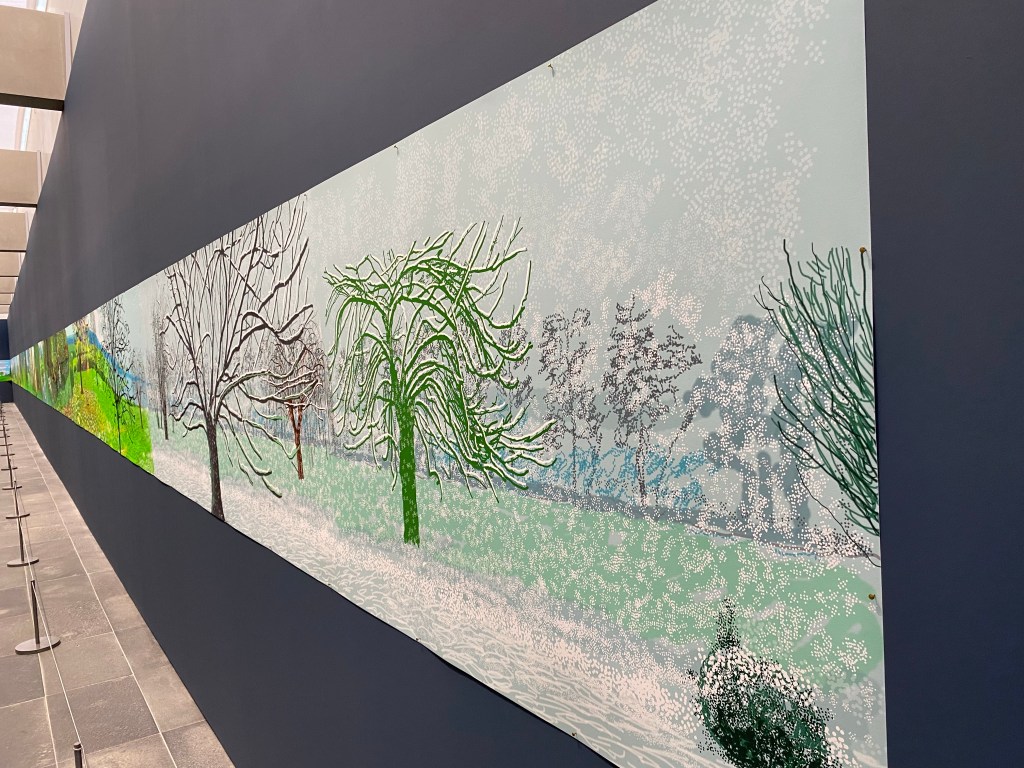
British painter, David Hockney used the pandemic to focus his artistic expertises on his local landscape in Normandy. Being unable to travel and find sources of inspiration, David looked out the window and made it his masterpiece. Disruption might change our itinerary but it does not keep us from asking, ‘how might I….’
Comparing our effort to others may create an interesting mindsets. If it helps us perform better and prepare for the next session, then comparison might be valuable. If it becomes crippling and takes away motivation, it may not deliver the results we are seeking. It is important to know what metric we are using. In these days of virtual competitions, we may not know what is taking place on the other end.
A collapsable bike helmet constructed from recycled paper and plastic employing a honeycomb design. Obvious, right? Now that we mention it, of course it exists. Except the EcoHelmet didn’t until 2016. Nothing in the design and materials is a breakthrough of science or technology. The barrier was our way of thinking. Our inability to think about the application of these materials in a new way.
Those working in the social sector are addressing problems that are so large and complex that they cannot easily monetize. Our environment is ripe for prototypes of all kind. If we fail, it is expected. If there is an easy solution it would have been employed already. Each program, hire, budget, donation is a protoype. It is a micro-effort to do the work that matters. We need to remind ourselves that we are in the design thinking arena. We each present a vision to put ourselves out of business because we solved a problem. Perhaps we should be protoyping everyday, and wary of iteration.
How does a single point of view carry the day in a conversation amongst intelligent, articulate people? How does a way of thinking rise to the top and sweep away doubt and unaswered questions? Too often we forego a culture of inquiry to adopt consensus. It feels good to be on the same page at the end of a meeting. Tension and stress are relieved. However, we may be missing the greater opportunity to broaden our understanding of the place we occupy. To consider multiple routes to the same destination.
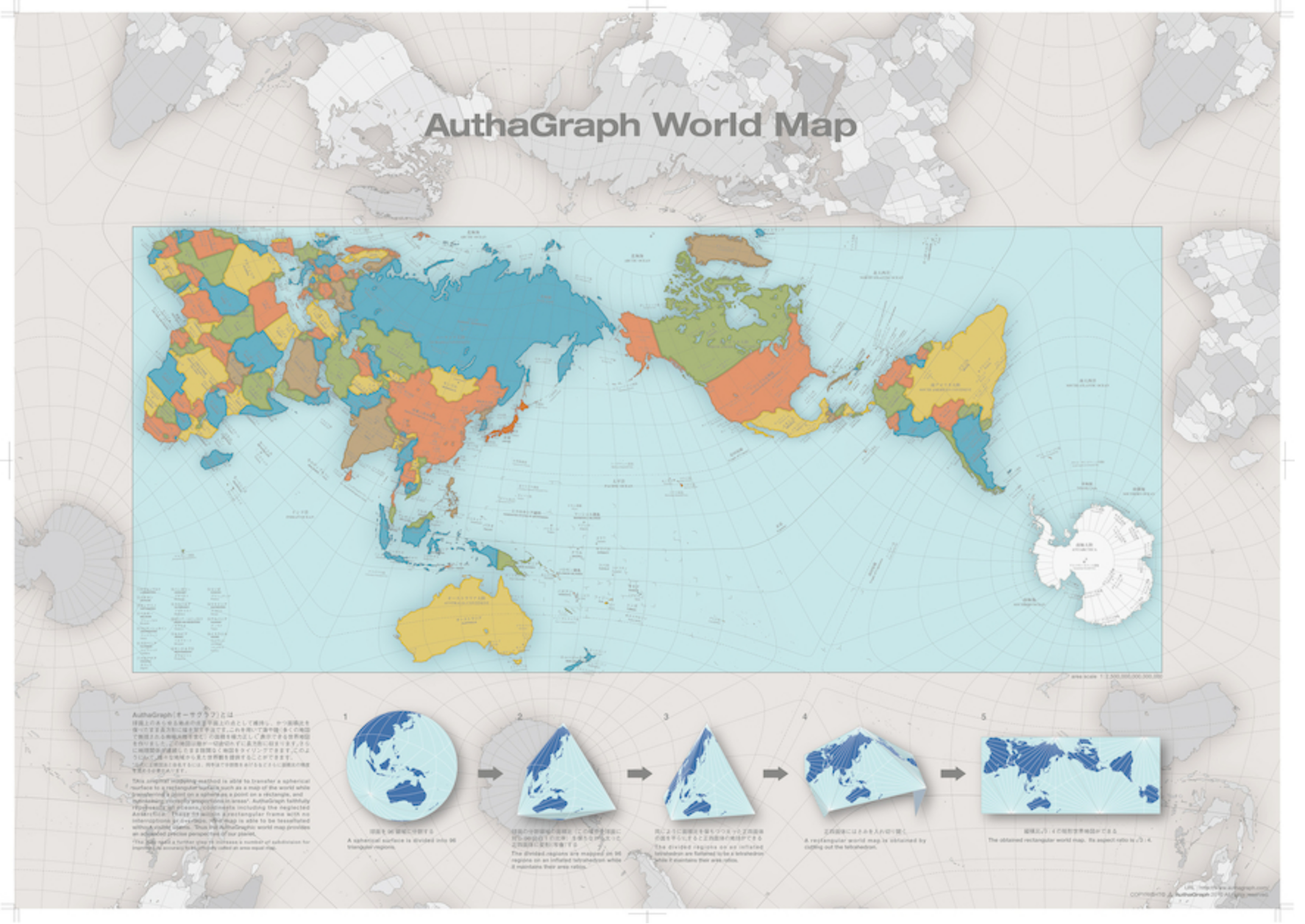
This morning I read that the Good Design Award for 2016 was being presented to the Keio University Graduate School of Media and Governance. Their innovation? A new world map that better represented the land masses of earth. Since 1569 humanity has accepted the Mercator projection as the best two-dimensional representation of our planet. Other models exist, but change has been rejected. We are working with flawed data, and yet we hold tight to what we know. Reimagining representations of our globe on paper is not radical technology, but conventional wisdom persisted for centuries.
What have we accepted that would benefit from desging thinking? What is our Mercator projection?




 A collapsable bike helmet constructed from recycled paper and plastic employing a honeycomb design. Obvious, right? Now that we mention it, of course it exists. Except the
  How does a single point of view carry the day in a conversation amongst intelligent, articulate people? How does a way of thinking rise to the top and sweep away doubt and unaswered questions? Too often we forego a culture of inquiry to adopt consensus. It feels good to be on the same page at the end of a meeting. Tension and stress are relieved. However, we may be missing the greater opportunity to broaden our understanding of the place we occupy. To consider multiple routes to the same destination.
 What-if-concepts