Motivation

Launching

What new initiative are you launching? Are you embarking on a journey intended to provide service to others, or is it an intriguing route for you to explore? Understanding our intentions helps us provision and promote the quest. What ‘help wanted’ sign will you post to assemble a crew? How does it change based on your motivation?

Amplifying “Can’t”

Does your mindset change if you are informed ‘you can’ versus ‘you can’t’? When we are restricted from taking action or proceeding, it may increase our desire to sample the mission we aspire to complete. I have often found more satisfaction in gaining access to an experience that started with ‘you can’t’ or a restriction and ultimately allowed access.

For example, an airport gate agent informing us that the boarding door is closed, and we are denied boarding, only to have the door re-opened to accommodate a crew member, and we are boarded. The flight feels like a reward. Reaching a closed trail which requires us to retrace our steps for miles, only to learn that a seldom-used side trail allows us to proceed. Or an endeavor that we are told we have not acquired sufficient experience to attempt, but we find a support team and complete the quest.

How might we recognize that our motivation may increase expoentially when we first encounter a barrier before we are able to proceed?
Succeed, Do Not Just Agree

Daniel Pink presented to the Blaine County School District at their district wide strategic planning kickoff event.  He spoke on the concept of motivation.  Fans of Mr. Pink recognize common themes from his writings and podcasts.  During the question and answer period Daniel stated, ‘if we assume the positive until disproved we will create different relationships.’  Here is hoping some of these thoughts add to your journey.

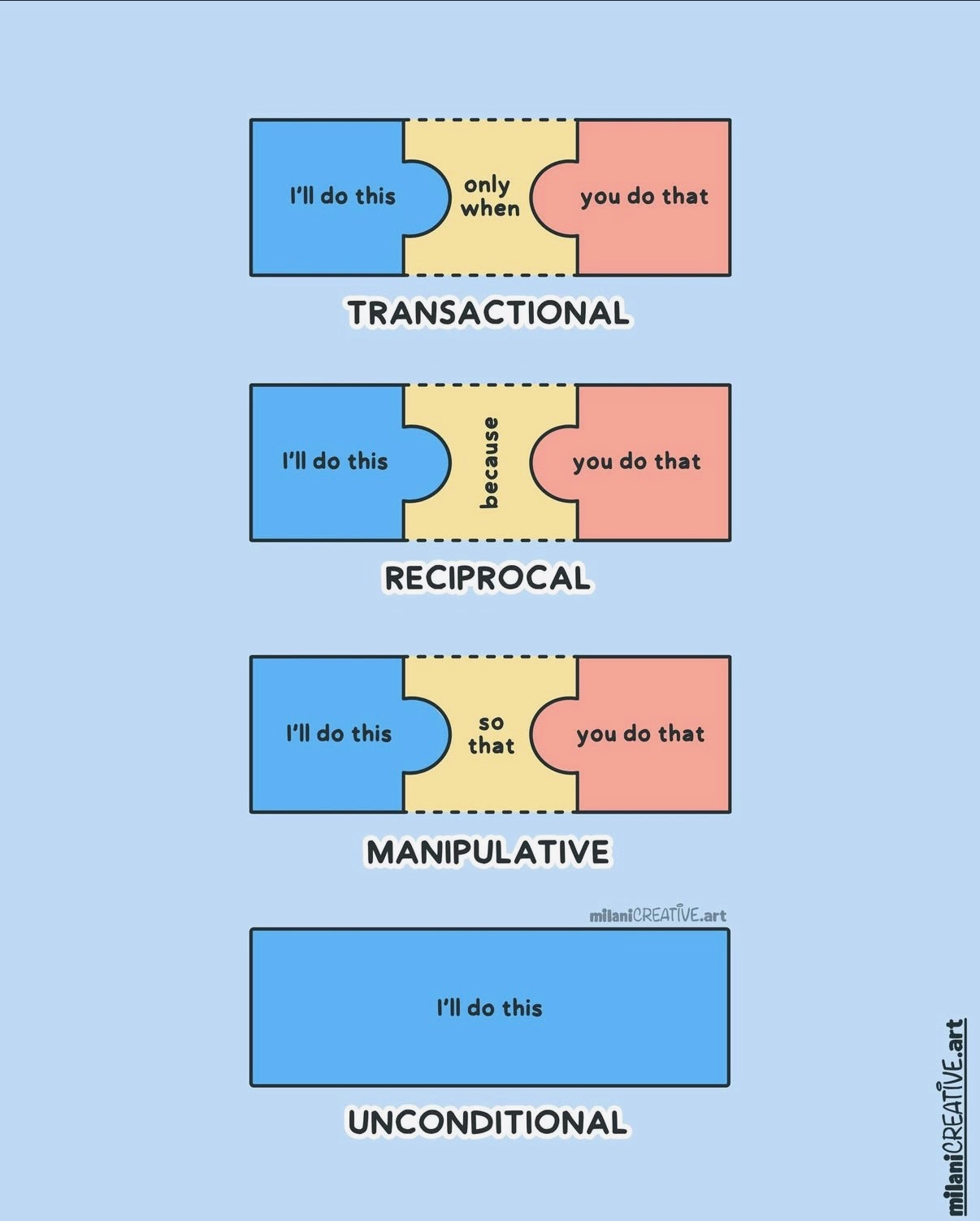
  • Using ‘if-then’ rewards for creative and higher thinking work generates lower performance, not increased output.
  • ‘Expected rewards’ tend to cause people to disassociate with their passion (if they do not receive awards routinely).  Individuals who experience ‘unexpected awards’ and ‘no awards’ tend to continue with their passion regardless of receiving merit.
  • Uncommissioned work has higher level of impact that work that is commissioned.  The difference is in the amount of controls placed on the artist.
  • The three enduring motivators: 1. Autonomy 2. Mastery 3. Purpose
  • The concept of Management was invented in the 1840s and is a form of technology.  Which other 1840’s technology do we employ so consistently?
  • Ship It Days: provide teams with the opportunity to work on anything they please for a set duration with the condition that they share their work at the end of the creative period.  This unstructured period has lead to Noble Prize winning ideas, innovations, and business growth far beyond what was forecasted by business plans.
  • Mastery: What we are seeking is to know that we are progressing by doing work that matters.
  • What if we had two more ‘why’ (purpose/belief) conversations and two less ‘how’ conversations each week?
  • Every great innovation started with a conversation.  Conversations are the incubators of great ideas.
  • Start small.  Little wins are critical.  Make a declaration about the future and then reverse engineer to succeed.
  • Innovation comes from a degree of flexibility.

Inspiring to have Daniel Pink in the community for an evening.  What Mr. Pink advocated for in schools has been practiced by my good friend Sonya terBorg.  Sonya has been innovating in the classroom for years.