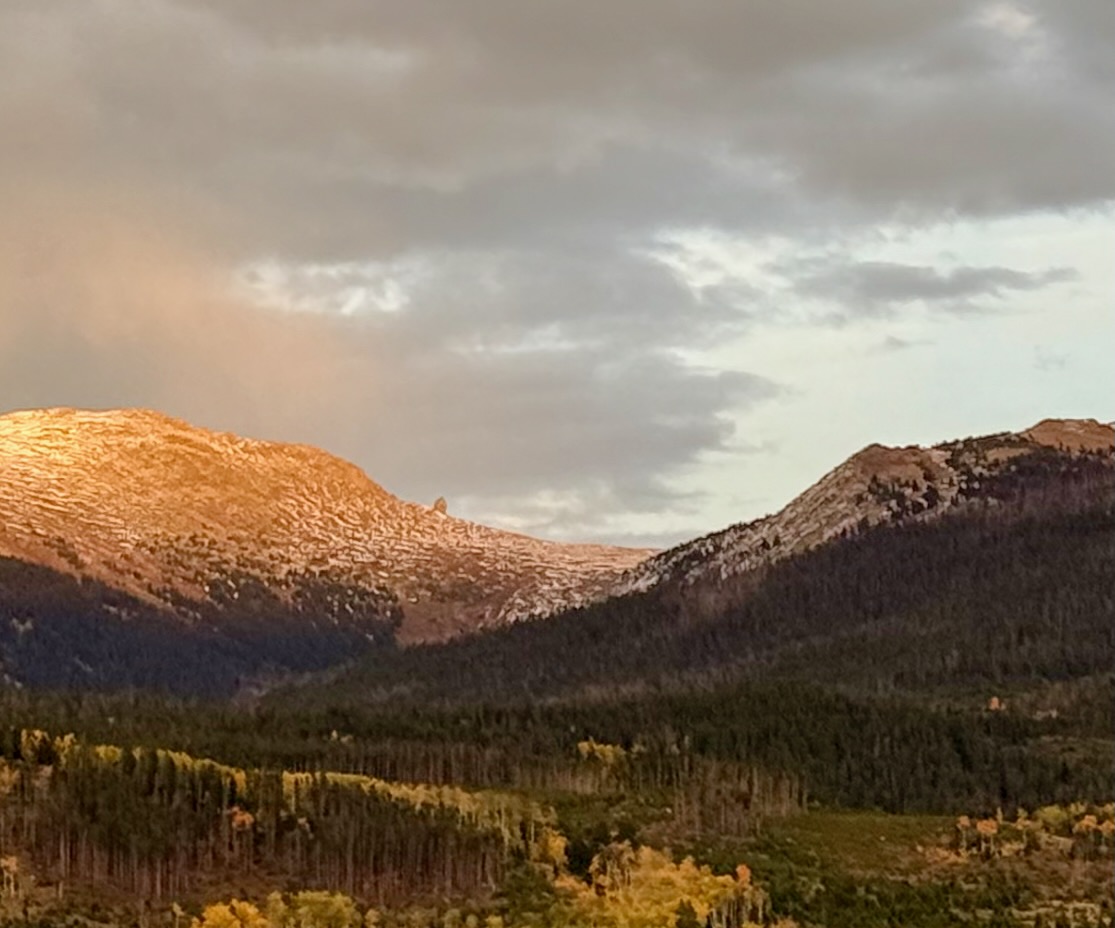
As we move closer to objects, our perspective may change. As a kid, there was a rock formation that I forever believed to be a pile of rocks sitting perfectly on the saddle of the Continental Divide. However, one summer we hiked to the pass, and when I got closer, I realized my perception and reality were not aligned. A spire of rocks hung off the side of a cliff face on the far side of the saddle, but when viewed from the valley, it became a prominent landmark.
What questions do we need to ask ourselves and our team that might appear rudimentary but reveal significant barriers or opportunities? One of the best places to start is when providing orientation to new staff or board members. Their inquiry might open a new chapter for your enterprise.
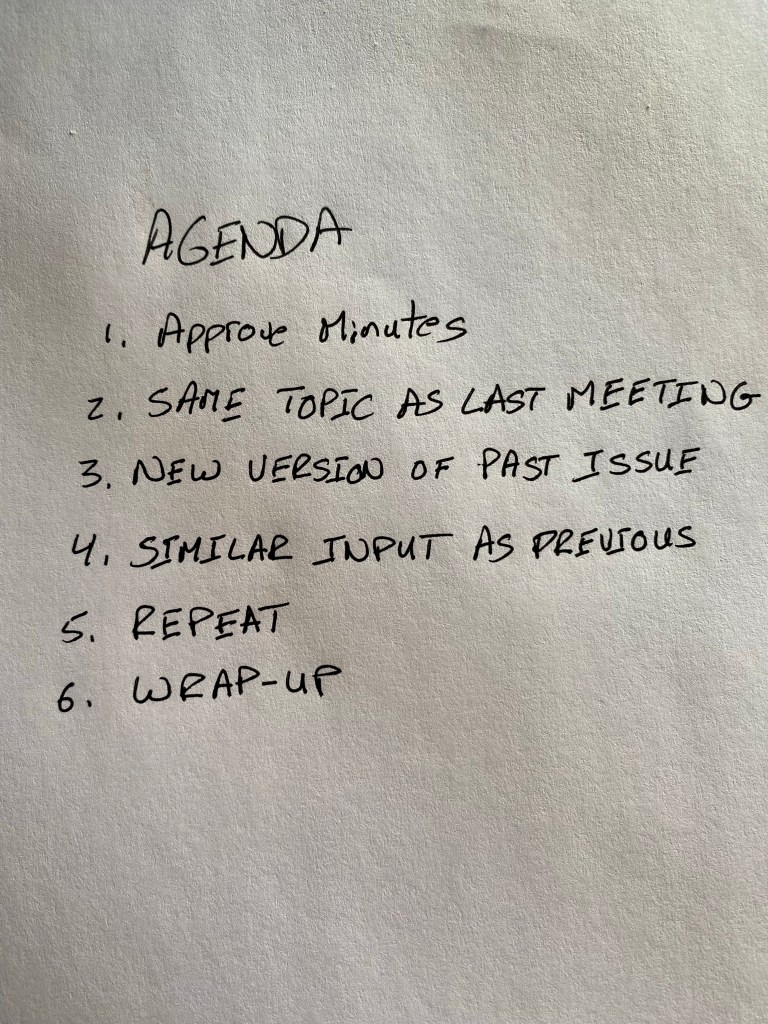
Even if the agenda looks the same, the meeting is different. Each participant has encountered new information and experiences between gatherings. The world changed. New members joined our efforts and others departed. Our services and contributions have had an impact, positive and negative. We are not looking at the same conditions.
Imagine watching a firework show. At first glance, each burst of light and corresponding boom appear to be the relative similar. Then we notice the different colors, shapes, alternating lengths of illumination, height, and pattern changes. Even the launch angle and sequencing of the shells remains variable. No two firework shows are the same.
How might we embrace that we are never looking at the same thing despite initial appearances and patterns? Even if we meet in the same location, with the usual group, on a repetitive day of the month, and rely on practiced parliamentary procedures, we are not assembling for a duplicate meeting. Our greatest fault is thinking we are convening for repetition when everything is new.
If the sequence is right, the impact of our work increases dramatically. If we deliver a new idea to those in charge of packaging and shipping, there might be resistance. However, if we find the moment an organization is expanding its culture of inquiry the new concept might be quickly adopted. The same was true for old western mining operations. If hard rock and placer deposits were delivered to the uphill staging area, then gravity aids in processing the ore. If our innovation does not resonate, perhaps we should consider if we have found the right point of entry.
What features might we remove and still deliver the highest quality service? What was once essential that is no longer mandatory? What traditions are up for review during this dislocation? If the new way we assemble means place and time shifting, how do we prepare?
This is a powerful moment, do not miss the opportunity to seek new answers to the fundamental questions.



 What-if-concepts