
How much we move and how vigorous our activity are fundamental predictors of our lifespan.
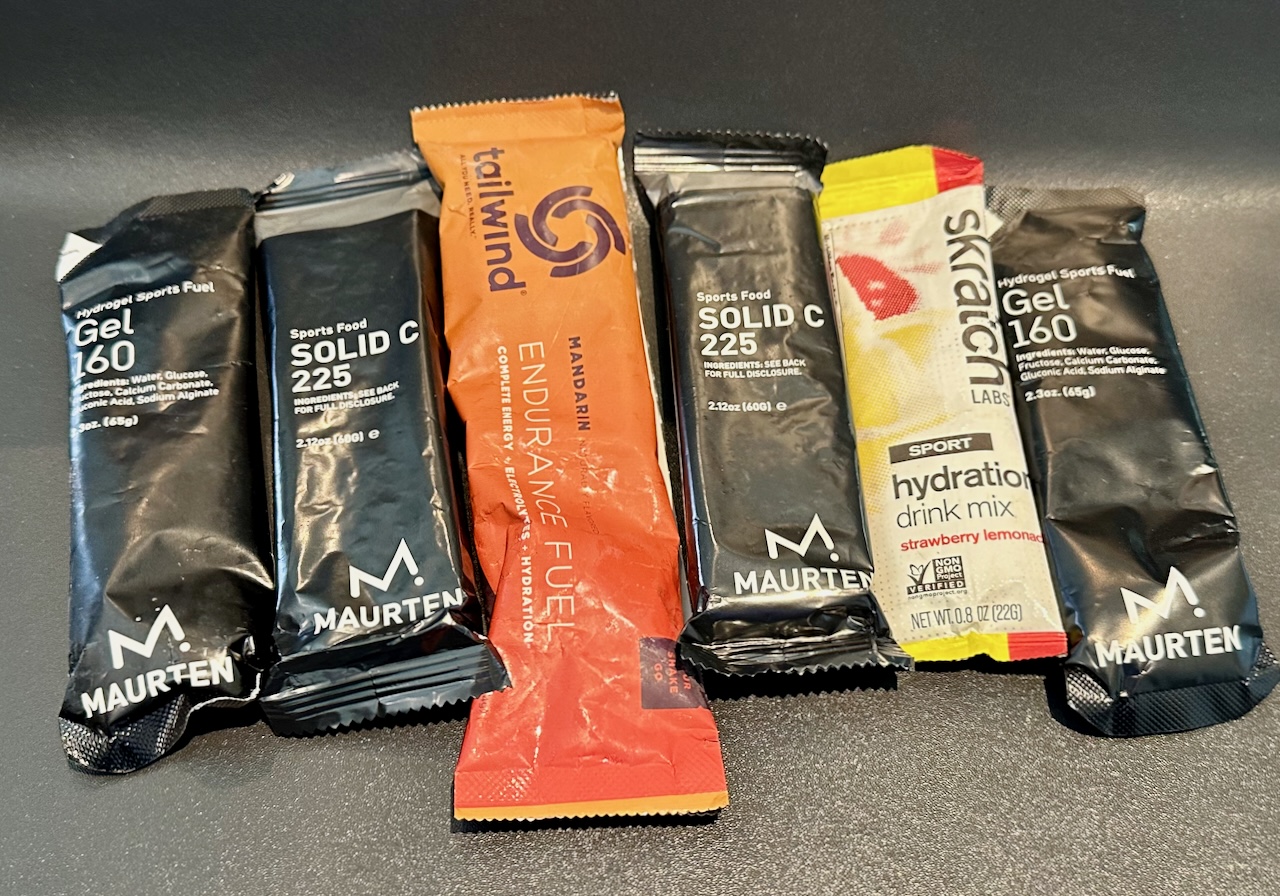
As an organization, what is our durability when measured by activity and the pace? Are we an enterprise that maintains a steady cadence, similar to a thru-hiking backpacker? Do we move quickly, committed to high-exertion sprints, like a hockey player on the ice for 90 seconds? Do we toggle between these pacing strategies? Or are we just active enough to stay relevant but infrequently willing to switch speeds? Does our organization’s DNA have the ability to change pace, if required?
How might we be intentional in our pacing strategy? How might we occasionally switch gears to emulate the capacity of a sprinter and an ultra-runner?
 What-if-concepts