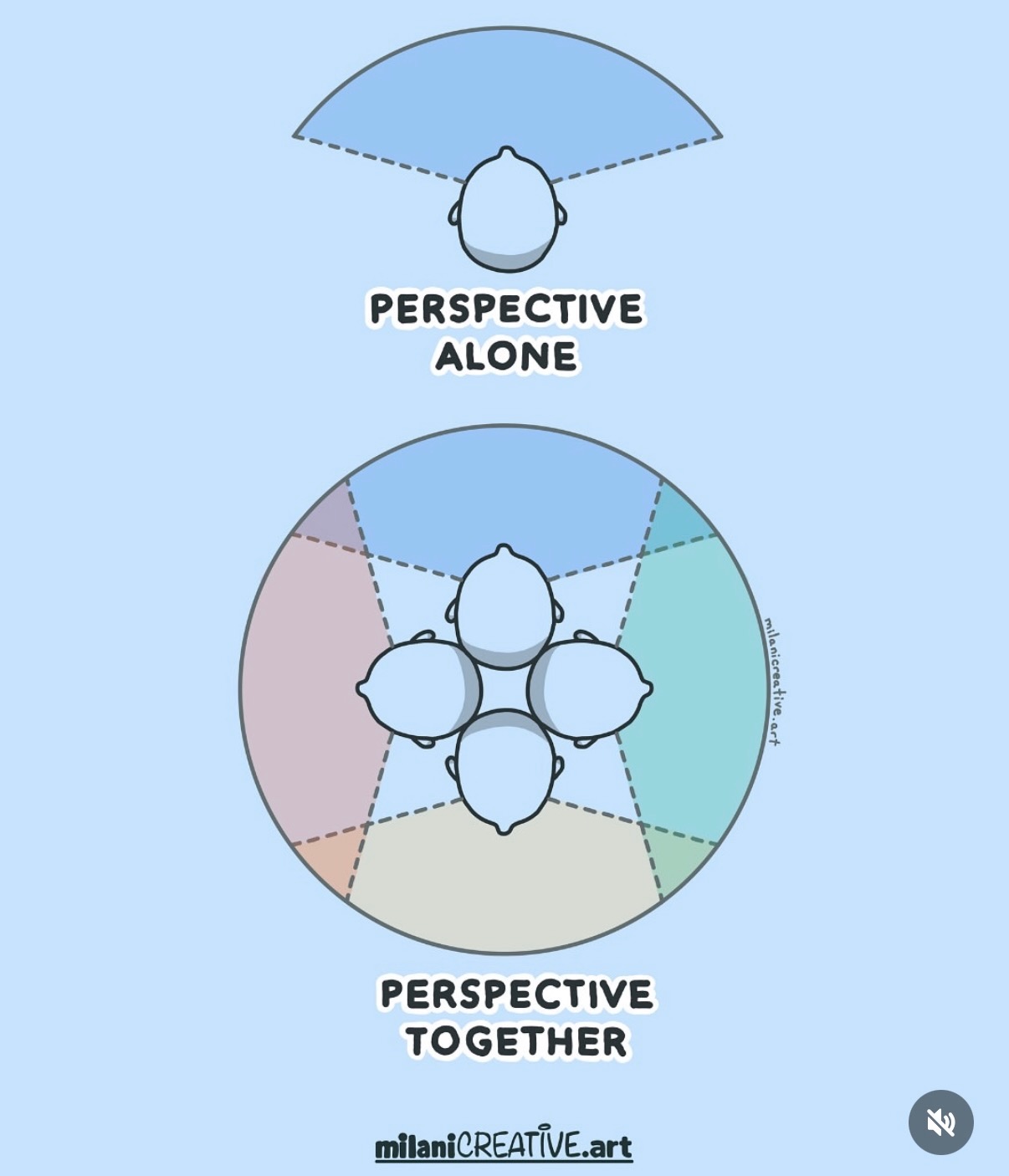
It is easy to think about how to scale when, in reality, we might not comprehend the realities of scale.
Planning
Who Is It For?
Two Starbucks, located across the street from each other, appear like poor business planning; until we recognize that the stores exist in an urban design that prioritizes automobiles. If ease of pedestrian travel were a preference, perhaps one store would be sufficient.
How might we understand ‘who it is for’ before we begin our design and implementation phase? Starbucks does not exist to serve vehicles, but it does serve people. That said, it inhabits an environment that has amplified the needs of motorized travel; therefore, its design model accommodates those arriving in vehicles.
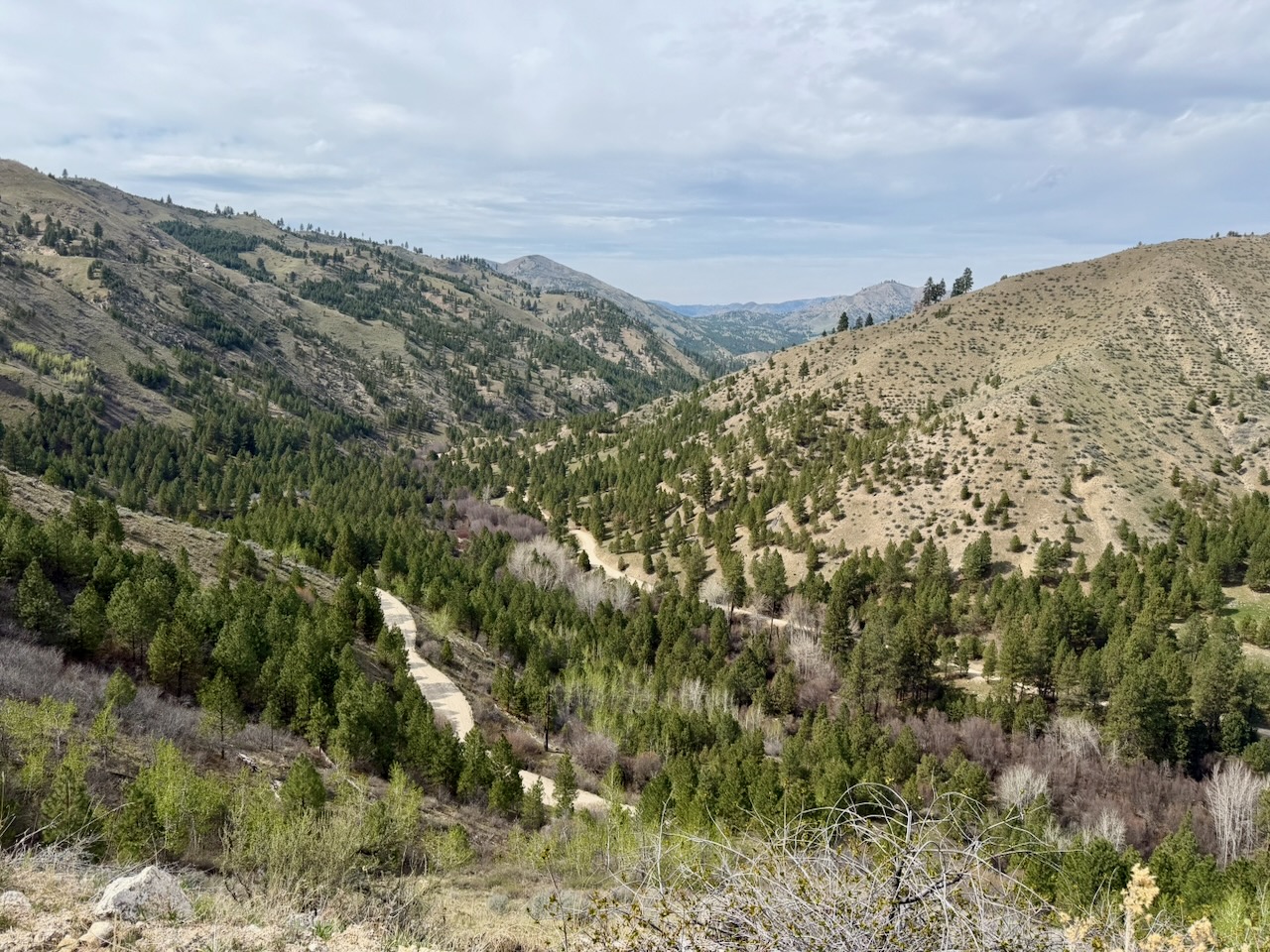
Setting Matters
Radical Incrementalism
Not all strategies can be BHAGs (Big Hairy Audacious Goals). Sometimes, section hiking or even linking together day hikes might be more productive than trying to complete the entire thru-hike that we aspire to finish.
Bridge Placement
Staging
Squeeze
What if we Postpone Buying for the Future
When we launch a new idea or product, it is our most recent (and hopefully best) version. It is the current model. When we purchase a new vehicle, software, or product, we receive what is currently in production. We cannot purchase and immediately use the coming model.
How might we embrace where we are and what we have? How might we not always be evluating our version versus the next itteration? How might we avoid prioritizing buying for the future when our needs might change?
Where You Start Matters
Where we originate our trip matters if travel time is a priority. The map above shows all the places one can travel to via train in 8 hours or less when departing Geneva, Switzerland. Check out the mapping tool here.
If we are committed to the journey, we can invest the required resources to reach our chosen destination. If a timeline is paramount, then we may need to evaluate our starting and finishing options.
Does a timeline drive our approach, or will the journey add depth and dimension to our work, despite the duration?
Certainty + Coverage
Weather forecasters predict the probability of precipitation by using the certainty + coverage formula. For example, a 40% chance of rain might include 80% coverage but only a 20% certainty or 80% certainty but 20% coverage.
The formula might serve value when considering strategic initiatives. What percentage of your enterprise’s constituents does a program serve, and what is the certainty that it will take place? During a consulting engagement with a chamber of commerce, they were seeking to increase air service to the community. It was one of their highest priorities. Their projected probability score consistently ranked high since they overestimated the certainty of attracting a new airline to the region and the number of people it would serve. The miscalculation persisted for another decade before market conditions shifted and new airlines began considering adding flights.