Sequence

Other Questions (Part Two)

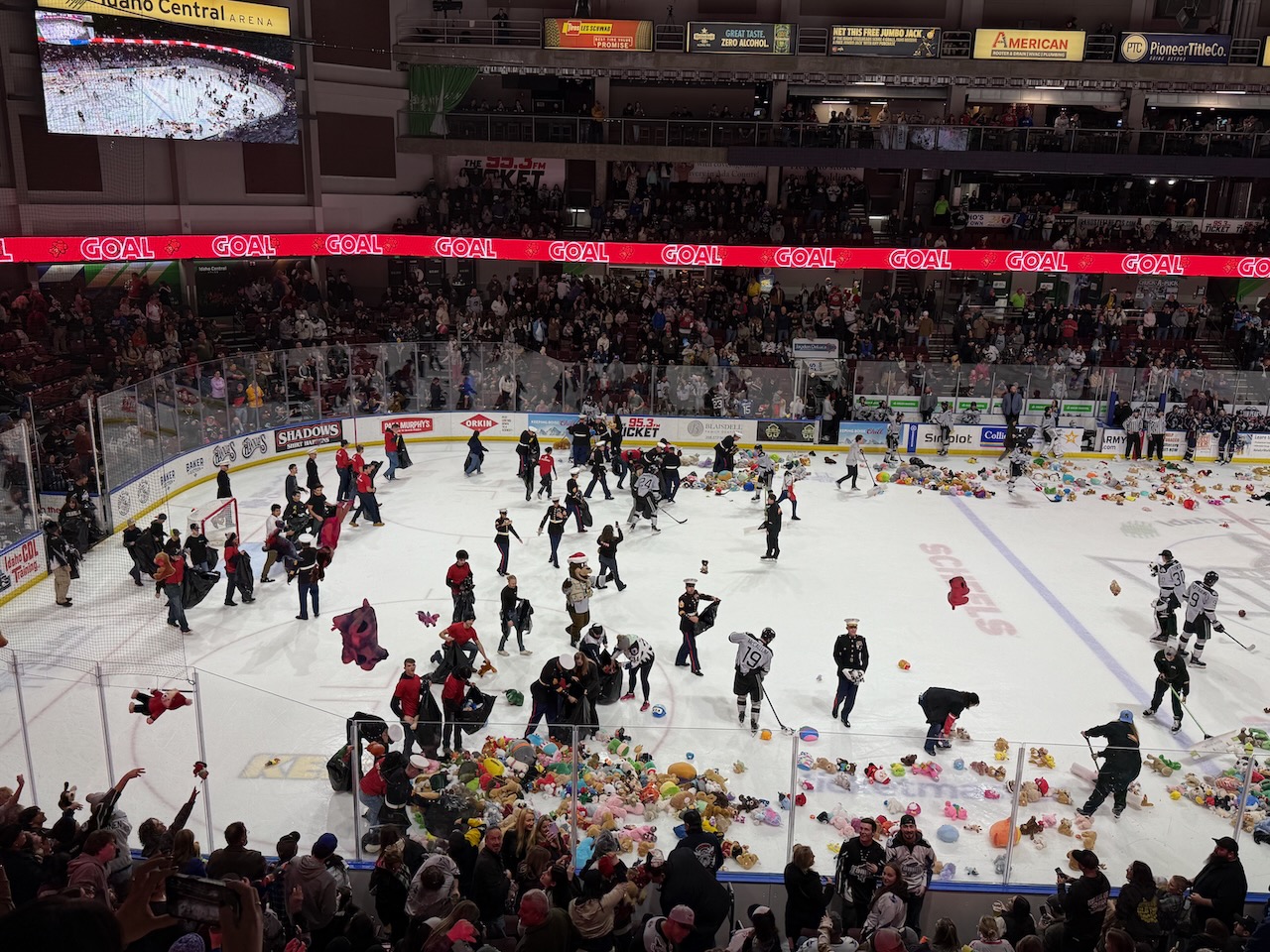
It is probably quickly forgotten if we bring a stuffed animal to a hockey game and throw it onto the ice after the home team scores. However, if the home team holds a toy drive and thousands of stuffed animals are thrown onto the ice after the first goal, it is remarkable. Questions are similar; one rouge question might get a quick response, but a cascade of intentional questions can steer an enterprise’s future strategy.

What questions must you answer before you can ask another question?

Do you need to agree that contributed income is a vital source of revenue for your venture? Once established that contributed income is a priority, you can commence with questions about how your cause engages potential supporters in meaningful conversations about their philanthropy? The sub-questions have little value if we have not answered the essential question.

Transition

What is the mental transition that we make when counting sequential numbers? For example, what is the tipping point that moves us from the number ‘3’ to the number ‘4’. It represents something more than cognition as if a physical permutation is required. The liminal moment when we are no longer on ‘3’ but have not locked in on ‘4’ is micro-seconds but it exists. Have you paused to consider this subtle shift?

What might our numerical counting experience teach us about transitions? How might we recognize that something as simple as moving through sequential numbers can provide hints about how more significant transitions might reverberate.

Sequence

Q45qLuk1RZOFlYy9WArgww

Full moons are not unexpected.  However, they can be noteworthy.  When two occur in the same month, the second one becomes a Blue Moon.  The second full moon is the same as the first, but the sequence makes it unique.

Sometimes it is not what you do but when you do it. People donate goods and services every day.  Often the impact is not evident because the effect is not visible.  One can offer simple acts of kindness to their neighbor, taking out the trash, picking up a newspaper, holding a package until they return from a trip.  However, if a neighbor suffers a catastrophe, the outreach from the neighborhood is palpable. Time of great need equates to more impact. Being prepared to act stands out.  Sequence matters.