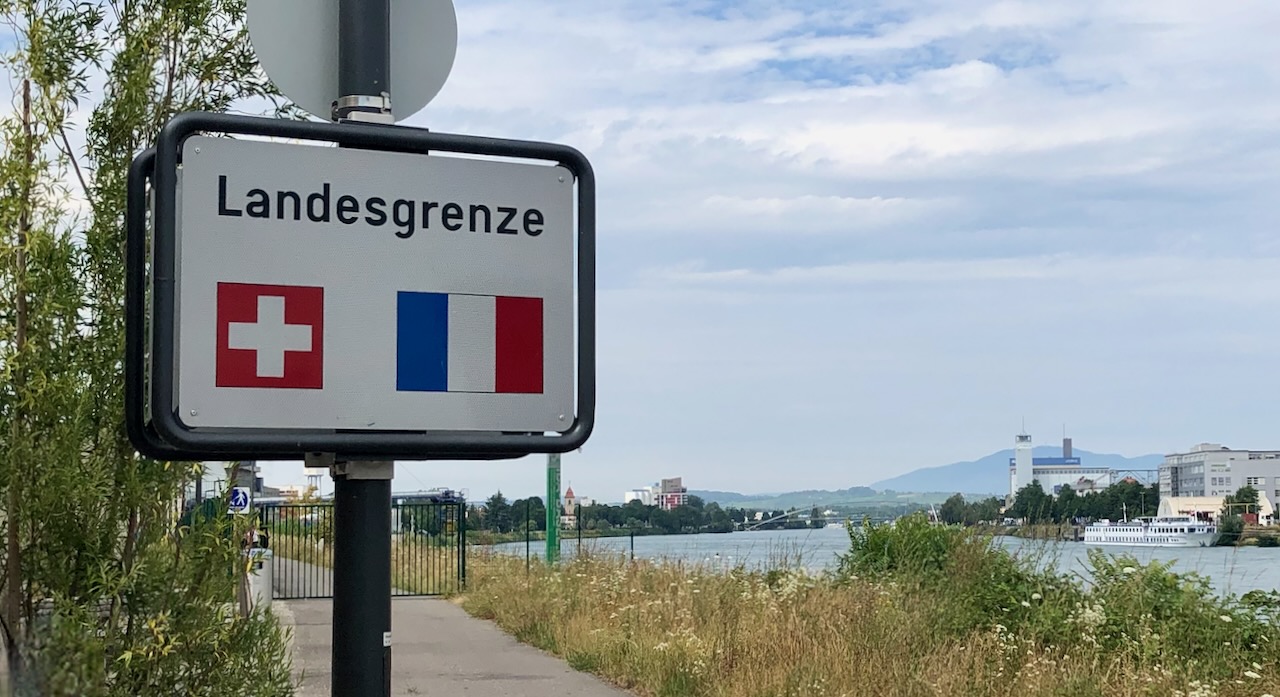
Naturalist Russel Wallace noted the Wallace Line in 1859. It is defined as a narrow border region in the Sula Sea that marks a natural border of Asia and Australasia’s flora, fauna, and animal species. The theory suggests a remarkable distinction between the animals inhabiting islands and landmasses approximate each other. There is a dispute about the exact line, but general evidence demonstrates that numerous wildlife and plants on one side are not evident less than a mile away on the other side of the line.
How might we not assume that just because we witnessed a program, event, resource, or perspective in one part of our community, it also exists just a few blocks away? How might we recognize that the macro and micro can be captured in Venn diagrams with dynamic overlaps and self-contained characteristics?
What if the we spend time thing about the world in thirds. The third that is uniquely us. The third that is fundamentally others. And the third where we overlap. At this moment, the us and other third are lighting up narratives across the world. Mask wearers vs freedom breathers. BLM vs All Live Matter. Open vs shut communities. Democrats vs Republicans. Science vs personal freedoms. Rights vs responsibilities.
What if we committed to looking at the middle third. The third that connects us and creates combinations. The reasons Simon Sinek’s Start With Why approach is so powerful, is when know a person’s purpose, we can connect with them at the headwaters of their existence. We can share a journey down the mountain stream that becomes a creek and then transforms into a river. If we only encounter the river at A major rapid, we might dismiss their ideas as dangerous, loud, and volatile. However, if we understand where the journey started, we have a greater perspective about why the rapid exists. It does not mean we let the current takes us blindly downstream. We look for points of confluence. We seek connections, not diversion.
What if the middle third is our focus? How might our work be amplified by seeking the middle third, instead of populating the outer thirds? US vs others is dates back to antiquity. US and other is challening and runs into historical barriers but it is the work that matters now.
*** Jud Abumrad came to our commuity for a speaking engagement. My wife remarked that numerous audience members were looking for something they could purchase (a book) that he could sign. He did not have books for sale but rather just his presentation and ideas. Perhaps the legacy of his visit is a transformative idea, one that we cannot read and store on a bookshelf. Rather it is now a way of being that we must decide to embrace or say ‘not yet.’
 What-if-concepts