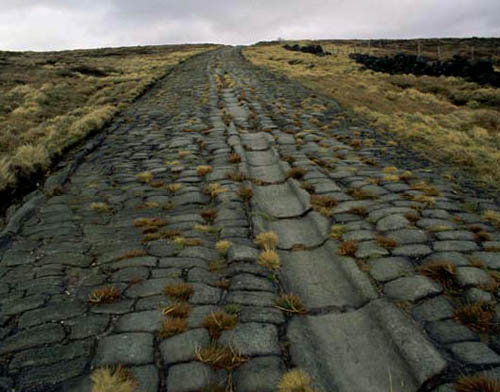
When will you ever have more time than you do right now?

In the final days of the 2010-11 cross-country ski season there are moments for reflection. Thoughts turn to past skis with snow so white juxtaposed against a blue sky worthy of a poster in a visitor’s center. Wicked winds that blew snow sideways for all 40 kilometers of a ski race and obscured the trail. Intervals that hurt but made me feel faster after having finished them. Races results with personal bests. What strikes me this time of year is the fact that I keep skiing. The competitive season is over. It would be far more productive to exchange skis for running shoes or a cycling kits and prepare for approaching events in each of those disciplines. Why ski in wet spring snow that sucks the skis to a slow crawl? Perhaps it is because the season lasts only four months and the uncertainty of next winter’s snow leaves some anxiety. The reality is that skiing seems to fill some unquenchable thirst. The solitude and rhythm of a stride or skating motion tapped out over a variety of terrain matches some universal metronome. The results of each race do not carry forward but the landscape and moments I encountered stride confidently into the summer months to nourish my passion for a coming winter.
Winning did not alter my passion for the sport. Getting better each season has sustained me. The never ending improvements that come with repetition and commitment regardless of scale has become my definition of winning. What is yours?

Would you rather start a round of golf with four birdies and finish with a triple bogey on the final hole, or bogey on each of the first three holes and then finish with four birdies? Both rounds of golf net a -1 total score so to the casual observer of a leaderboard there is no difference between the rounds. Some argue that they would prefer to start with the set-backs early and finish strong since it leads to momentum the next round. Others suggest that the fast start demonstrates mastery and there was simply a lack of execution on a single hole.
Have you started an initiative with lots of momentum only to struggle to reach ? Or, have you been set numerous early set-backs only to overcome and achieve your goal. Many capital campaigns do not announce their goal publicly until they have sufficient commitments from insiders- going for the early momentum approach. Other organizations make public appeals when they have exhausted all other options, calling on their fans to help them overcome a slow start and avoid impending failure.
Can you shape momentum? Are you an architect of choice?

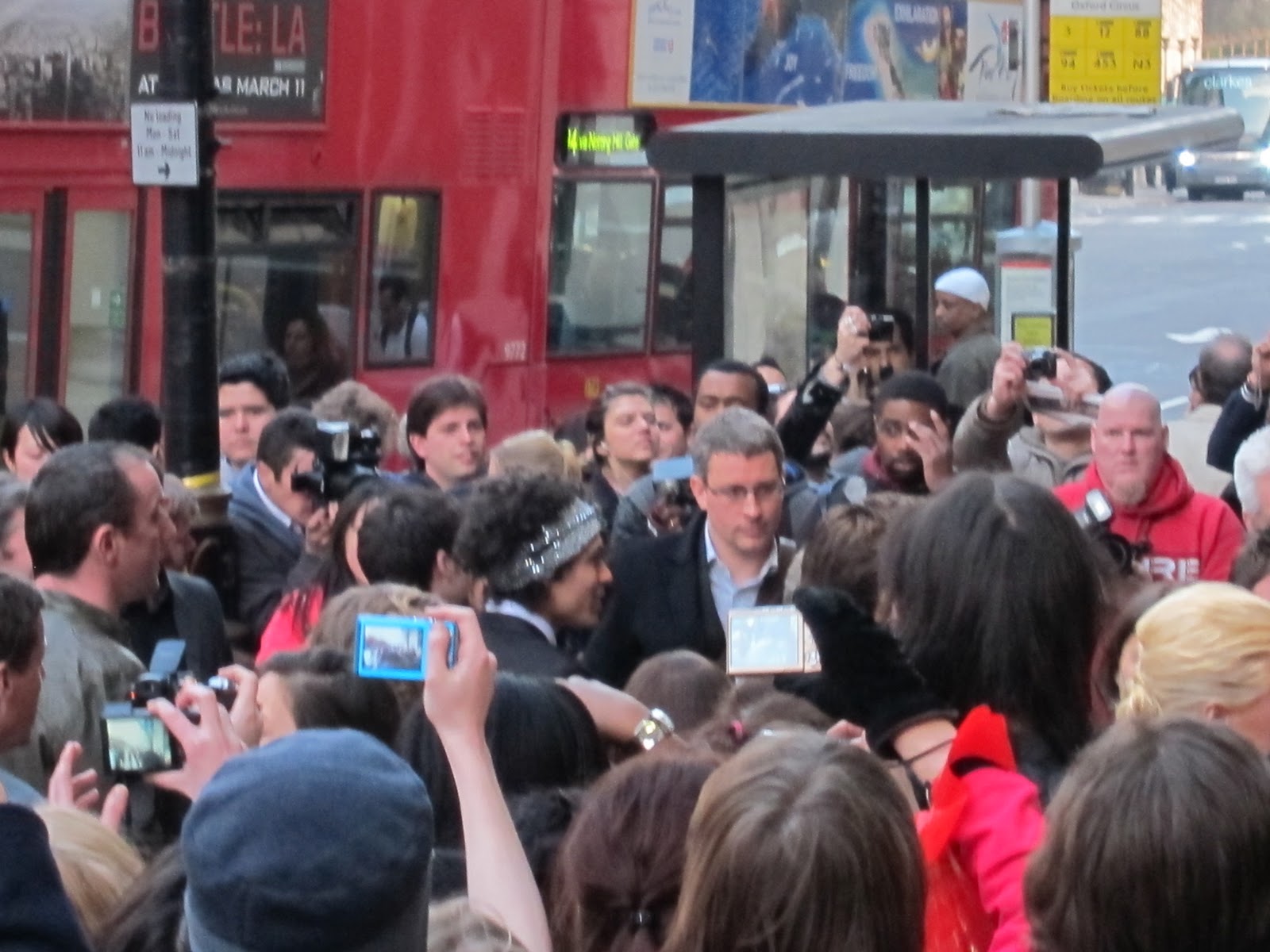
I had no idea who the celebrity is in this picture when I took it. Why then did I feel the need to take a random photograph of a crowd of people taking pictures of somebody? I encountered a mob of people screaming with delight and yelling a name I did not recognize. People around me rushed forward. Paparazzi clicked away. So I took some photos and figured that I might decode who I had almost met. The funny thing is that my daughter grabbed a piece of paper and a pen and headed into the crowd to get an autograph. She had no idea who she was seeking either.
Why do we respond in this manner? Was it the energy of the crowd? The thought that somebody famous was just beyond reach? Curiosity? The presence of paparazzi?
We later learned that the actors and actresses of the film “Killing Bono” were arriving for the movie’s premiere. I am not sure if it is coming to the US but they certainly created a stir if you happened to be on Regent Street in London.
How does your enterprise get noticed? Who does it attract?

International travel is always an adventure. Magical moments mixed with ones that make you wonder why you paid for the adventure. Traveling to and from one’s destinations comes with its own special mindset. Many times we all just hope that nothing remarkable happens. The trip to the airport goes smoothly, security screening is predictable, the flight takes-off on time, you survive the in-air experience, land safely, and reach your chosen destination. Put your head down and keep out of the way is the mentality on the day.
What ones notices on an international flight is that the curtains that separates First, Business, and Economy classes seemingly carry a spell worthy of a Harry Potter movie. The same flight attendant who cheerfully fluffed the pillow of a First Class passenger, grabbed a water bottle to refill drinks in Business Class, can then walk the aisle of Economy ignoring pleas for special requests. Mathematically it makes sense, six First Class passenger, forty seated in Business Class, and two-hundred packed together in Economy. It is difficult to offer special attention to everyone so it is easy to draw a line of distinction at Business Class. The experience of sitting on one side or the other of the curtain can be remarkably different.
Is there a service break (a curtain between airline classes) in your enterprise? Does everyone receive the same experience? Do you divide customers and patrons based on a specific criteria? Have you sat in all the sections to understand their perceptions? What spell gets cast on your team when working with you biggest fan versus the most transactional members?

Do you standout? Are you remarkable? Can you be distinguished from others? How would your community describe your enterprise? Are you lumped in as part of the flock, pack, herd, sector? Are you best of breed or an average representation of others in your class? Sometimes we believe we are different but we do not take the time to look around and see the environment around us. If you are a dime-a-dozen then how do you intend to be demonstrate value? Why would anyone outside of your most loyal fan base be drawn towards your enterprise? Hold on to those who treasurer your uniqueness and welcome those who are interested in joining your crusade, that alone will make you remarkable.


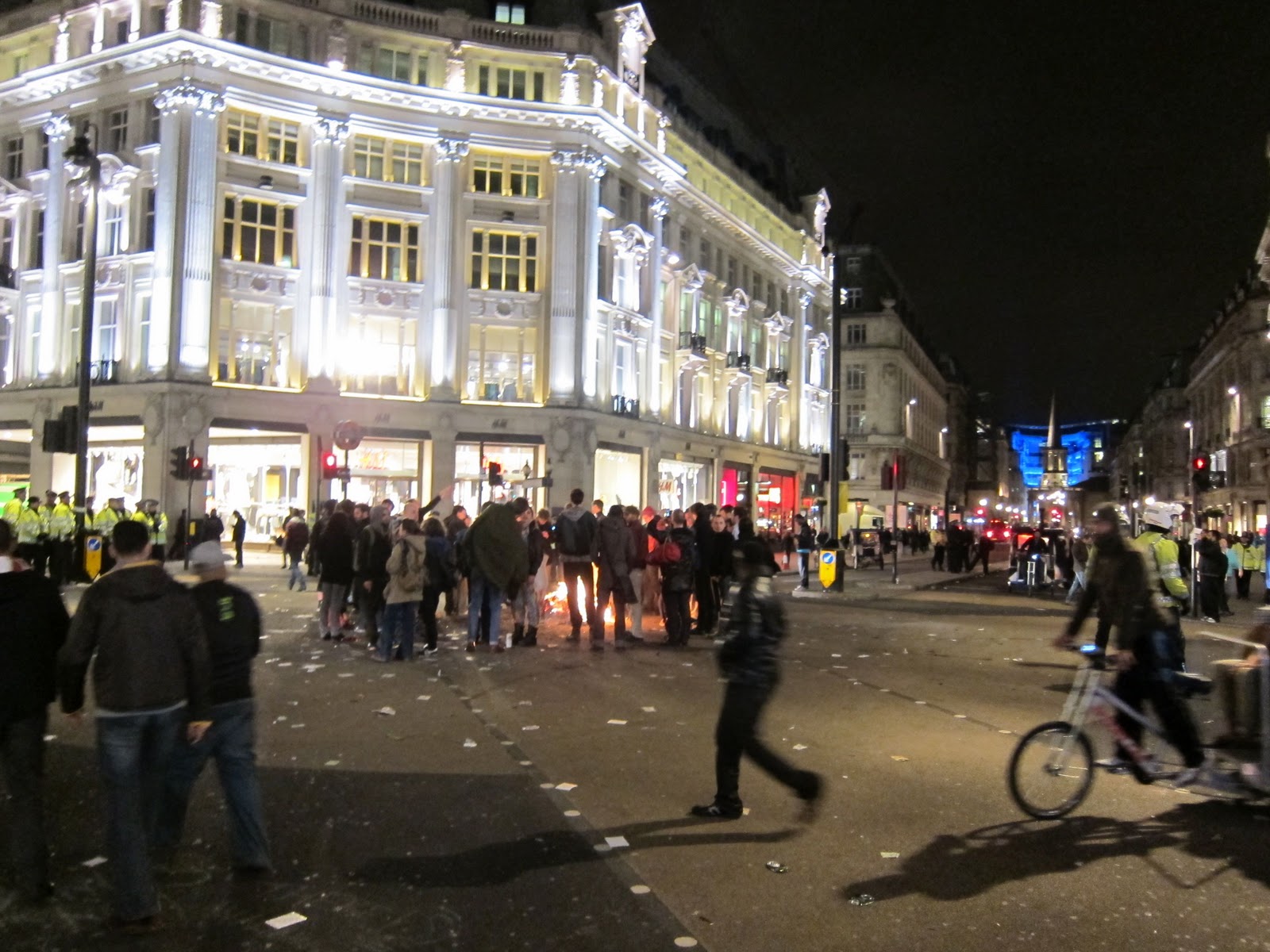
What would your fans do for your cause? How committed are they? How do they voice their approval? What steps do they take if they are displeased? You can learn a lot about the level of commitment of your advocates from how they react to your victories and defeats.

Ever pour out a $250 bottle of wine because you cannot finish it? How about a $8 bottle? We might find a way to preserve the expensive wine and yet the less expensive vintage we are willing to give a sip to the flowers as we clean-up a picnic.
I was just in a Primark Store on Oxford Street in London last night and there were clothes and hangers strewn all over the place. Every rack and display screamed discount pricing. It looked like a gang of young boys had been asked to do the clean-up before being allowed to play video games. Employees using large dust brooms collected all the hangers on the floor and piled them in the middle of the floor. People would pull items off the rack and if it did not fit they made a limited attempt to put it back or just dropped it. Lines were everywhere. Next door was a high-end boutique that was the model of organization and the prices reflected the order.
The prices and values you attach to our services and programs often determine the way they are valued by our customers.

