Author: whatifconcepts

Empowering those that inspire so they can excel at the work that matters.

The Thought That Counts

Is it the thought that counts? Is it the intention behind the thought? Is it any action taken to fulfill the thought? Is it the consciousness that generated the thought that counts? We tend to give partial credit to those who attempt to complete a promise or a noble idea. Most Mother’s Day and Father’s Day gifts crafted by young children are partially completed projects that did not fully assume the form of the child artist/gift creator. However, most parents celebrate the handmade creations equally, celebrating the beauty and incomplete portions.

How might we assume good intentions when in doubt? What is the cost of celebrating the thought, despite an incompleted project? There is a tipping point where thoughts fail to reach celebratory status. A NASA scientist cannot reply on exemplary thoughts and intentions to launch a projectile into space, but a friend can convey they considered you a priority and took initial steps to deliver on their promise.

Pressure

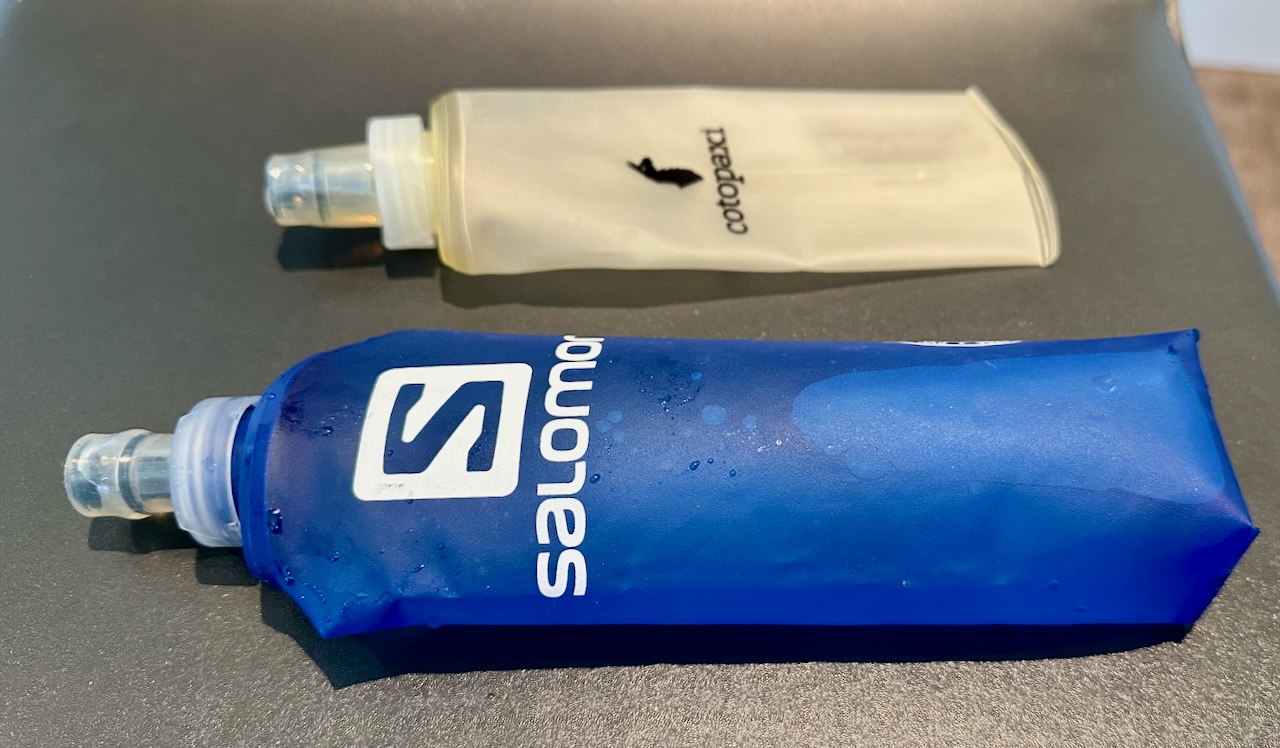
Running with a water flask when full is easy to hold and drink. After a couple of sips, the flask becomes more difficult to secure in my hands and requires either a gravity assist or some external pressure to generate a sip. If I fold up the empty portion of the flask, like rolling up a tube of toothpaste, I can return it to its original form and easily carry and drink from it.

How might we think about the parts of our work best amplified by pressure and those that tend to fail under strain? How might we manufacture force to strengthen our impact, and where might we ease off exertion?

Using Words to Solve a Visual Puzzle

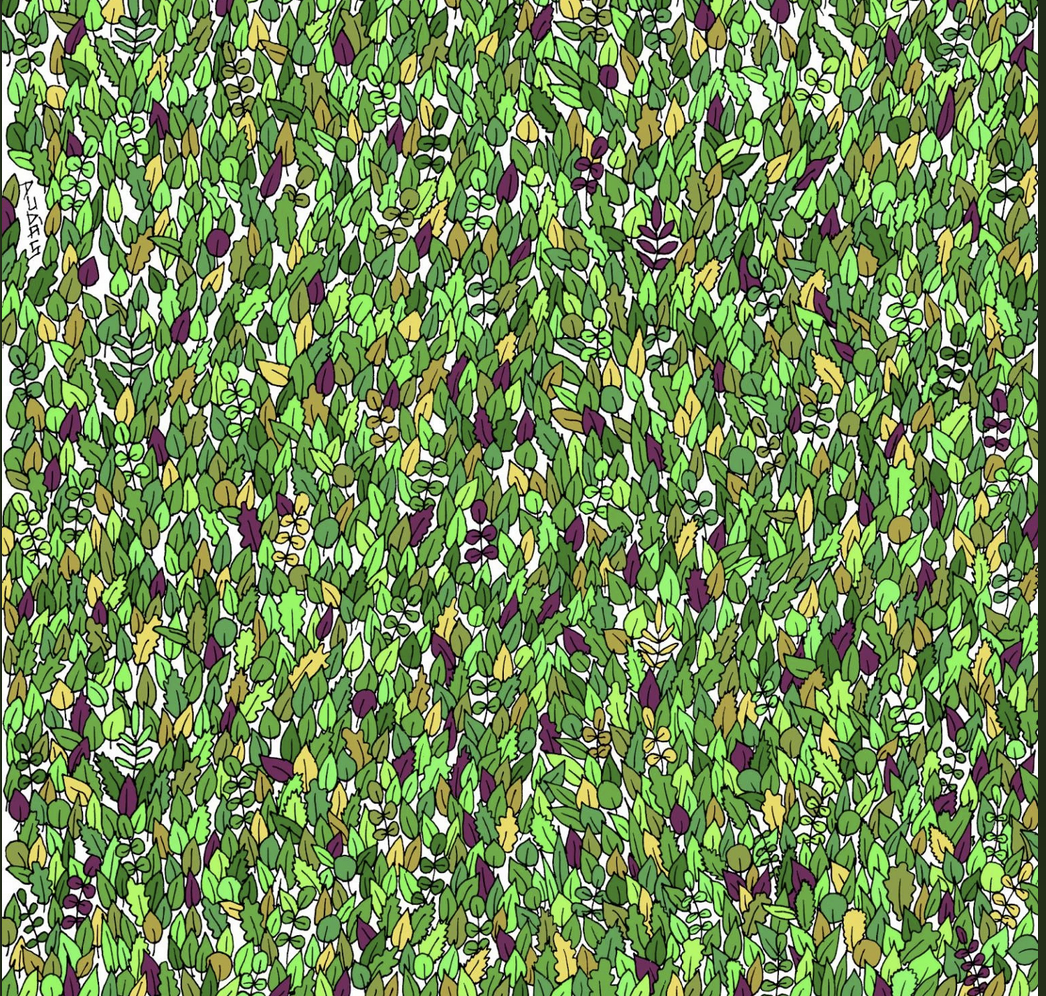
If we only had our words, how would we direct people to the location of the hidden frog in the above image? We rely on shortcuts to set others up for success, but occasionally, those options are unavailable. So, we must rely on an analog solution in a digital world. It is like remembering a phone number or email address when we are without access to a device that contains all that information.

How might we adapt when our mastered routine is interrupted?

Spoiler Below:

***The hidden frog is less than a half-inch off the right-hand edge, about a third of the way up, appears wearing a purple jacket (leaf), and is the same size as the individual leaves in the illustration. If you start at the bottom right-hand corner and work your way up the edge, stop at the first fully illustrated bright green leaf that touches the border. The frog is immediately to the left, with a purple leaf covering its torso.

Fuel for the Journey

The impact is muted if I eat all my energy bars and drink all my sports drinks in the first half-hour of a six-hour bike ride. If I wait until the final half-hour to consume all my nutrition, the fuel arrives too late to produce a substantive difference. However, the result is much greater if I plan to eat one bar and drink one bottle each hour throughout the ride. A nutrition strategy for my journey allows for a more consistent and sustained effort.

How might we apply this strategy to our own work? How do we ensure we have fuel for our journey delivered at the right intervals?

Energy

How does your energy vary between arrival and departure from a destination? A sense of place is a major influence, home versus new location. Do we arrive with anticipation and depart with satisfaction? Are we descending into anxiety and ascending with relief?

What emotions are we trying to elicit when we join a cause, and what do we hope to feel as we move on to the next enterprise?

Use the Difficulty

Michael Cane was mentored to use the ‘difficulty’ that presented itself as an opportunity. In an interview, he suggested that an unplanned obstacle can fortify the storyline.

We know some efforts are destined to fail over time. But the struggle of keeping them in the scene for as long as possible creates the tension, attention, and struggle that compels others to follow the journey.

How are you using unplanned difficulties to enhance your efforts?

Awww vs Facts

Sometimes, art touches us in a way that a coherent case based on the best facts does not. There are occasions when a well-placed design does more than any paragraph might. I am not sure I found the right Polar Bar when doing a quick internet search, but their design makes me curious to learn more. How might we embrace the aesthetics embedded in our purpose?