Author: whatifconcepts

Empowering those that inspire so they can excel at the work that matters.

All-Star Games

There is audible frustration that current professional sport all-star games are becoming performative. There is little incentive to win, concerns about injuries, protective egos, and a growing apathy. How might an all-star event become noteworthy? Who is an all-star game for, the players or the fans? How might we ensure we are not hosting events that become irrelevant, even when we have the right people in the room?

How Do We Know Where We Rank?

Without awards, how would we know where we rank? How do you measure progress? Do you wait for the annual award show to allow for recognition or disappointment? What if you only have your personal results to use as a measurement? What if you only get a data report once a year? How long does an award sustain your efforts? Are you still talking about an elementary school spelling bee victory, a middle school track and field win, a high school team victory, a college academic achievement, a workplace honor from an accrediting agency, or the nod of appreciation from a co-worker? Awards have a shelf-life unless they are extremely rare (Noble Prize, Olympic Gold medal, World Championship). Awards might be waypoints to acknowledge and re-energize our efforts, but they cannot nourish or sustain us unless high school is the highlight of our lives.
Front Row Super Fans

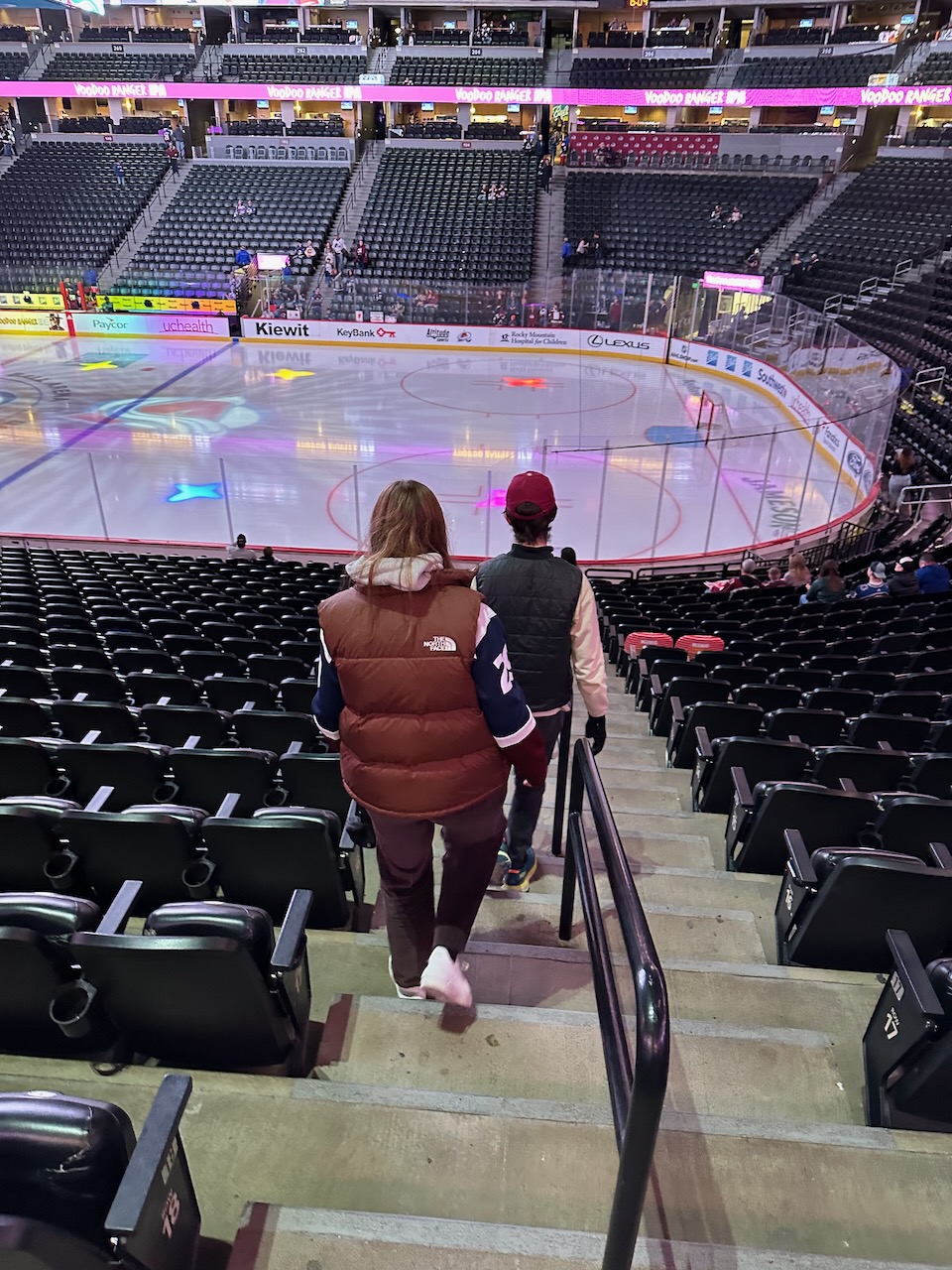
What if we reserved the front rows for our super fans? How might our programs feel different if the people occupying the floor seats were highly passionate, dedicated, and knowledgeable? How might your audience’s mindset change if they were upgraded? The other option is to sell the best seats for the highest price (or allow transactions on the secondary market) and set high expectations. If we pay a premium, the margin to delight people is usually marginal. We can control certain aspects of our events, so why not promote the individuals who cheer for everyone?

Refresh

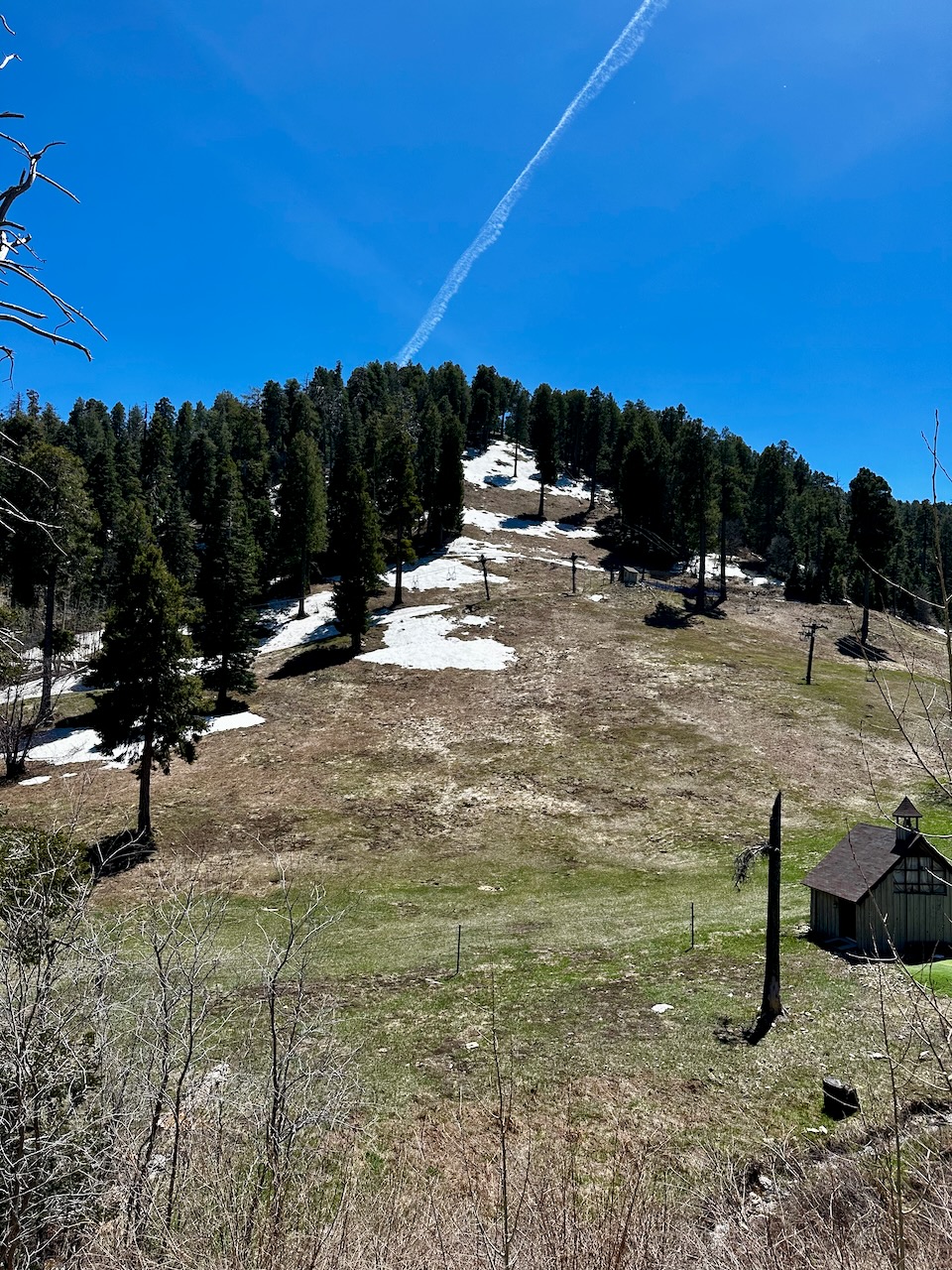
Bogus Basin Ski Area- Proposed new lift dotted line. The existing lift represented as solid line

When rebuilding a ski lift, placing the lift towers in the same locations as the original version may not be necessary. Reconstruction is a chance to reimagine how the ski lift functions and even alter the impact of the ski lift. The first ski lift was constructed in the low point (valley) of pioneering ski runs. The thinking was skiers would gravitate to the ridges to make their turns. Skiers, acted on by gravity, naturally returned to the canyon portion of the ski run and inevitably dodged lift towers that occupied the preferred fall line. So, the ski lift was reconstructed on the ridge lines, reversing the original paradigm.

How might we utilize reconstruction to update our alignment? What if we are expanding the size of the board? Do we seek weak ties to broaden representation on the board, or do we double down on the skill sets and attributes currently serving the board? What if a key partnership changes? Do we find the next best organization to fill the vacuum, or do we review the program and assess future needs before moving forward? How do we remain curious, even when we have invested in a functional platform?

Outliers

When a group does something noteworthy once, we call it a blip. But if they repeat it again, and again, and again, we search for clues. During a school’s annual day of giving, the graduates from the class of 1988 participate at an extraordinary rate. There is nothing unique about these graduates, no celebrity offering tickets to their next event or incentive scheme that makes participation transactional. Simply put, one class member dedicated themselves to staying in contact (pre-social media) with most of the class. They sent out several emails before and during the one-day philanthropy event. Class members respond, and the cascade of contributions flows, with the participation rate edging toward 80% (the above screenshot was taken before all gifts were made). Other class agents attempt to replicate the giving patterns of the class of ’88 with mixed results but usually cannot sustain the participation rate. The class of ’88 is an outlier, not necessarily managed by the school, but a once-a-year revival.

How might your cause embrace your outliers? Where do you offer support? Where do you stand aside and allow the organic nature of their actions to proceed, unencumbered by systems? Which outlier activities are transferable, and which are not easy to replicate?

Alternate

Alternate routes, alternate team members, and alternate itineraries are not for everyone. It is the road less traveled, a side track that reinforces the primary route and, by name, implies it is less significant. However, it gets us further down the trail if required. Consider all the Olympic and World Championship events where an alternate team member is sitting on the bench, at home, or competing at a secondary event. These remarkable individuals were one place away from making the team. They were tantalizing close to being in the game. Due to their consistent presence, insights and support, they are a catalyst for the selected athletes.

Who are your organization’s alternates? The individuals not on the staff or the board but who can jump in when necessary. The substitute teacher that fills in for any absent teacher. The volunteer who can jump in at the last minute to engage with donors or run a checkout station during the big gala. The former staff member who knows how to coax a report from an aging software system. Having highly competent reserves ensures your enterprise continues its journey even when an alternate travel route is required.

But, I am Good at Complaining

When is it worth complaining? Is it an emotional reaction, an opportunity to point out areas for improvement, a warning of pending danger, or to address a barrier that requires removal? You can stand in a stall easily if you are a horse that throws a shoe. If your horse is competing in a week-long endurance event trip, reshoeing is required since there is much terrain to cover. Complaining might be warranted in one situation and not as urgent in the other.

Complaining has become an expected or even acceptable form of communication. How might we prepare to respond to those who rely on complaining as their primary communication technique? Roy Kent’s press conference from the Ted Lasso series is a master class in using a story to add perspective to an emotional situation.

They Know the Song. Now We Can Share the Spotlight

Near the end of Prince’s rendition of Purple Rain at the 2007 Super Bowl, he knocks over the microphone and turns his song over to the crowd. Tens of thousands sing the final rounds of the chorus. It was the summation of a phenomenal halftime show. For the majesty of the performance, the group participation at the conclusion took the experience to a legendary crescendo. 

When we share the stage, our generosity is often rewarded with a feeling of ownership and personal fulfillment that cannot be replicated by acoustic osmosis. How might we share the stage with our fans so we can produce the best version of our collective work?

Wayfinding the Letter Search

Wayfinding parallels solving the New York Times Letter Boxed game. There is no perfect solution; sometimes, we rely on patterns we encounter in other parts of our journey. We are endeavoring to stay in the game, relying on what we can achieve now, even if it is a three-letter word, to reach the next attempt. Solve the puzzle in one remarkable turn; you are a genius. Complete the game in five guesses, and you are a player. If it takes six or more turns, you are still in the game and acquired knowledge that will serve you well in the next chapter. Even when we backtrack and undo a previous guess, we still navigate toward a waypoint that moves us closer to delivering the work that matters.

How Stated Values Impact Authenticity

Reading United States’ mottos is a confluence of opinions and a group’s projection of themselves. Some of the mottos are aligned with our thoughts about a region, and others are further from our perception of reality. One of the ways we develop trust and authenticity is we state what we believe, and then we act in a manner that is compatible with the belief. If we can construct a simple equation that balances stated belief and action, we call individuals authentic.We might be willing to instill trust in them because of their authenticity.