Remarkable

The Changing Landscape is Why Our Work Matters

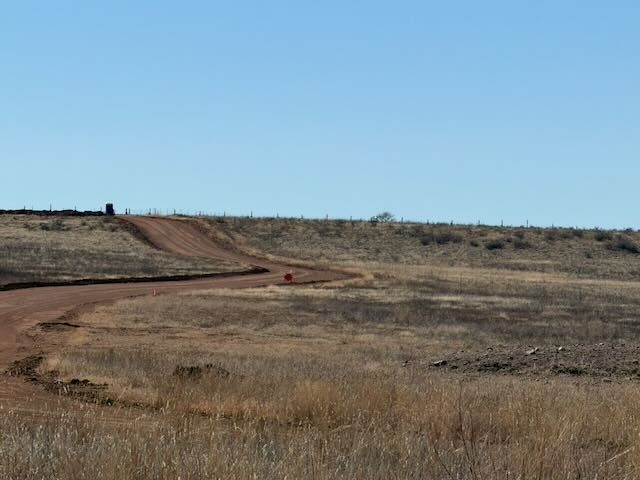
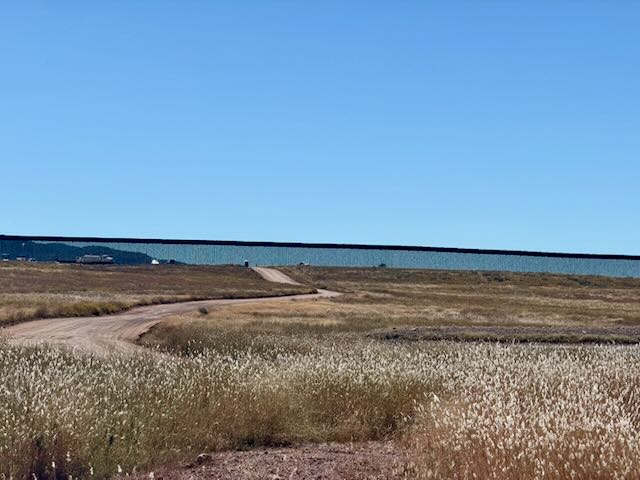
A gravel bike route I have ridden over the years paralleled the United States-Mexico border. The border was a barbed-wire fence, and it was hard to distinguish unless one got within a few feet. On a ride this month, the border is now demarcated by a thirty-foot fence.

It would be easy to assume that this rural tract of land would remain relatively unchanged, as it has for decades. The wall’s construction has altered the landscape and several variables, including how the border is monitored and secured, migration of wildlife, view corridors from border-adjacent ranching communities, short-term economic impact of a federal construction project, improvement of dirt roads to support construction vehicles, increase in visitors, more media attention, among other changes.

When we plan, we often defer to the sense that things will stay the same unless we feel the impact of change in the current moment. One argument for asking generative questions is that they let us consider alternate possibilities without the tension of finding the answers: What else might be true? Who could be affected? What would change if this constraint disappeared? What might we be missing? Considering alternate realities offers a pathway to avoid adopting a ‘fixed mindset.’ Just because you purchased the Lego set that contains the pieces to construct the Magic Kingdom does not mean you are restricted to just one outcome or version.

How might we remember that the work we do matters, and that it is not easy because the conditions are constantly changing?

All Prices Are Local

Just because another organization can raise more funds, charge less for its programs, or offer a greater impact does not mean the work you are doing in your community is diminished. High-profile events and big donations may gain headlines. Your ability to stay in the game is what endures. Over time, you will find that your cause’s story resonates at a different level than those meant to be flashed on jumbotrons.

Filtering the Results or Being Remarkable

If we apply sufficient constraints to the results, we can generate data that makes us appear at the top of most categories. If we include all available data over time, we might have a challenge finding ourselves in the results.

If we do not want to spend our time manipulating the data, we might invest in being of service and do so with as much personalization as possible.

Individuals

We like group photos because they convey significance and build momentum. A number of people showed up and lent their social capital to a cause and/or belief.

If we zoom in, we can see the individuals involved. We recognize the distinctive characteristics and attributes of each person. It provides us with the opportunity to highlight and profile the narrative that makes them unique.

It is convenient to focus on the group photo to share our impact, but we forget there is an individual story behind each face in the crowd.

Echo

When you yell ‘echo,’ whose voice responds?

In the right environment, we can create an echo by deploying our voice so that it reverberates and returns to us as if shouted by another person located some distance away.

We can take for granted that we generate echoes in our world. We can communicate out, and there are those who respond quickly and with affirmation or empathy as needed. But what happens when those voices cease to respond?

How often do you celebrate and nurture the voices on the other side of the echo? Do you develop a symbiotic relationship, or is it one-sided? What if you made time to prioritize your echo reflectors and make sure they are recognized for the essential role they play in your work?