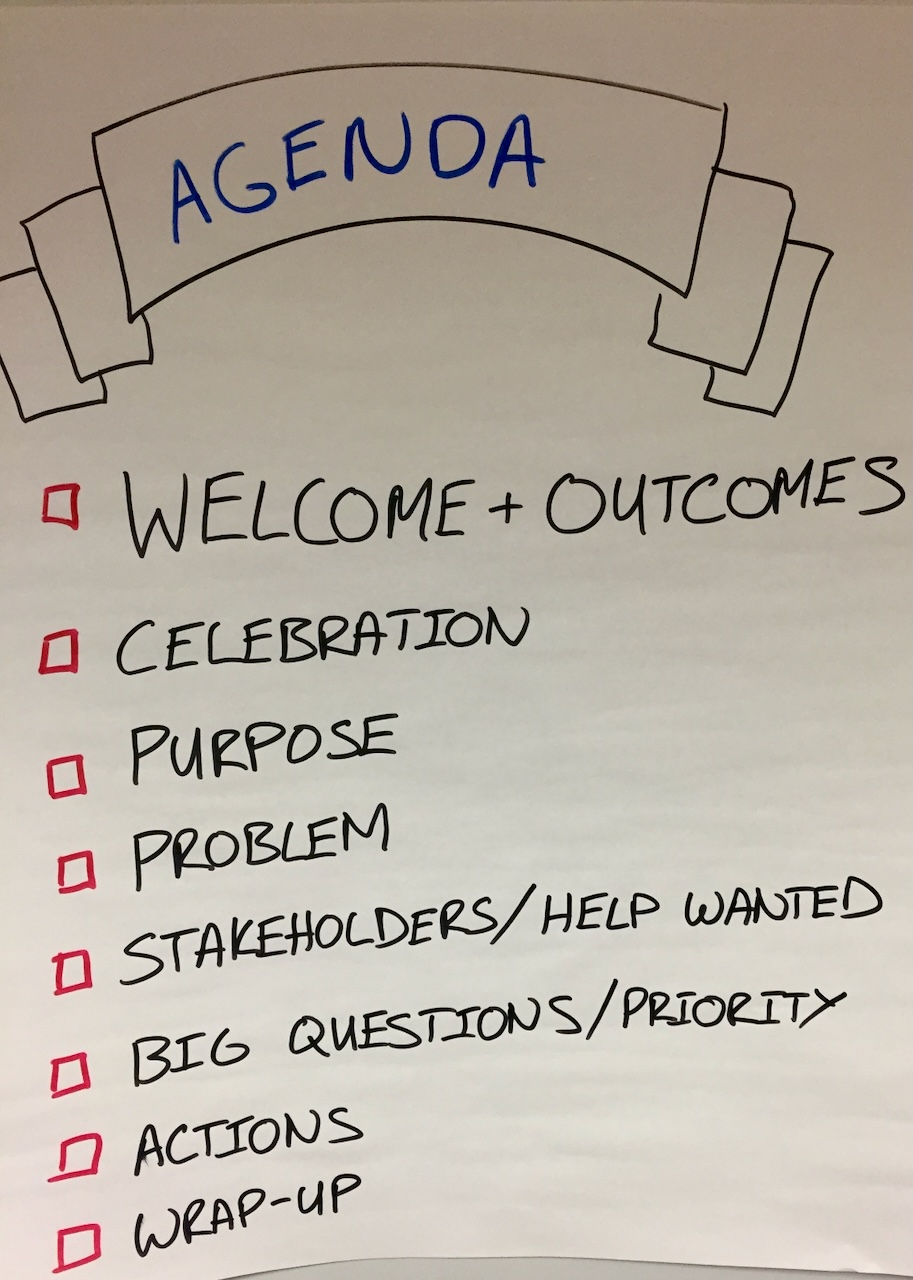
If we are on the space shuttle’s return flight to Earth from the International Space Station, being on time for departure is paramount. Staying on schedule for a meeting agenda is a choice. If meeting participants are involved in a transformative conversation but time suggests a shift to another topic, making the transition is a decision. How might we use a human-centered mindset to determine when the shift is appropriate? Otherwise, we are elevating the agenda’s significance to the same as a space shuttle launch?
Standardized Tests or Essays
Have you worked on a project where the answer is known and the goal is to complete the project in the right order? Have you engaged in solving an interesting problem that has various possible answers? Seth Godin’s Akimbo podcast provides context for the interesting problem paradigm.
Some of us excel on the bubble sheet test, while others thrive with the essay option. Knowing the medium we are being asked to engage with may help us accept or decline the invitation to join the expedition.
Half-Full or Half-Empty
Icebreaker exercise: Ask participants if they are half-full or half-empty about a specific prompt. For example, half-full or half-empty about buying candy from a vending machine on your hotel floor at 11 PM? You can prompt meeting attendees to sort into five groups by physically moving to a location: Empty, half-empty, half-full, full, or no opinion. Ask ten to twelve questions and the people in the room are almost certain to find themselves mixing and matching with other participants.
First Edition
What object would you prioritize securing through the deployment of your resources? Said differently, what first edition/experience would you activate your network to possess? First-night tickets at a concert? Original work from a legendary artist? The front most position in line to interview an icon? A historical document with the signature of a hero? Secure the newest piece of technology before anyone else?
What does your selection say about your priorities?
Disembark
Do the people who benefit from your services know where to disembark? At the upper terminal of a ski lift, signs provide clarity on when to return to downhill ski mode. In an academic setting, final exams and/or graduation define the transition. But if you are an arts organization, is there a point of disembarkation? How about an environmental conservation group. What if we build the most sustainable residential structure and place all our property in a conservation easement? Do we uncouple from a land trust’s work?
The embarkation and disembarkation phases run the gamut from ‘obvious’ to ‘it is complicated.’ If uncertain, ta leading strategy is to remain in communication. I support causes in other regions because they are committed to sustained dialogue. I withdrew my engagement with an enterprise next door because they ghosted me.
Naming
What mindset goes into naming a ski run, honoring historical figures, illuminating regional reference points, identifying wildlife, and/or highlighting geographic terrain? The norm is to make the name memorable and calibrated to the challenge. Resort ski areas tend to avoid naming their green/beginner ski runs “Death Waits for Nobody!” However, ski a new line in a backcountry couloir, and the expectation is to represent the line with an appropriate name. “Ride the Lightning” or “Terminal Cancer” are on point for adrenaline-seeking skiers/boarders.
What names are you bestowing on cornerstones of your cause? Which ones are calibrated to the audience? Which are for the fans on the periphery?
Future Me
When my son confronts a problem he does not want to tackle in real time, he says, ‘That is a future me problem.’ Future Me gets assigned some of the most demanding and daunting items. What if we made a list of the future me problems? How many would become part of your enterprise’s strategic framework? It is painless to leverage the most important to the future while addressing the most urgent in the moment.
Counter-Intuitive
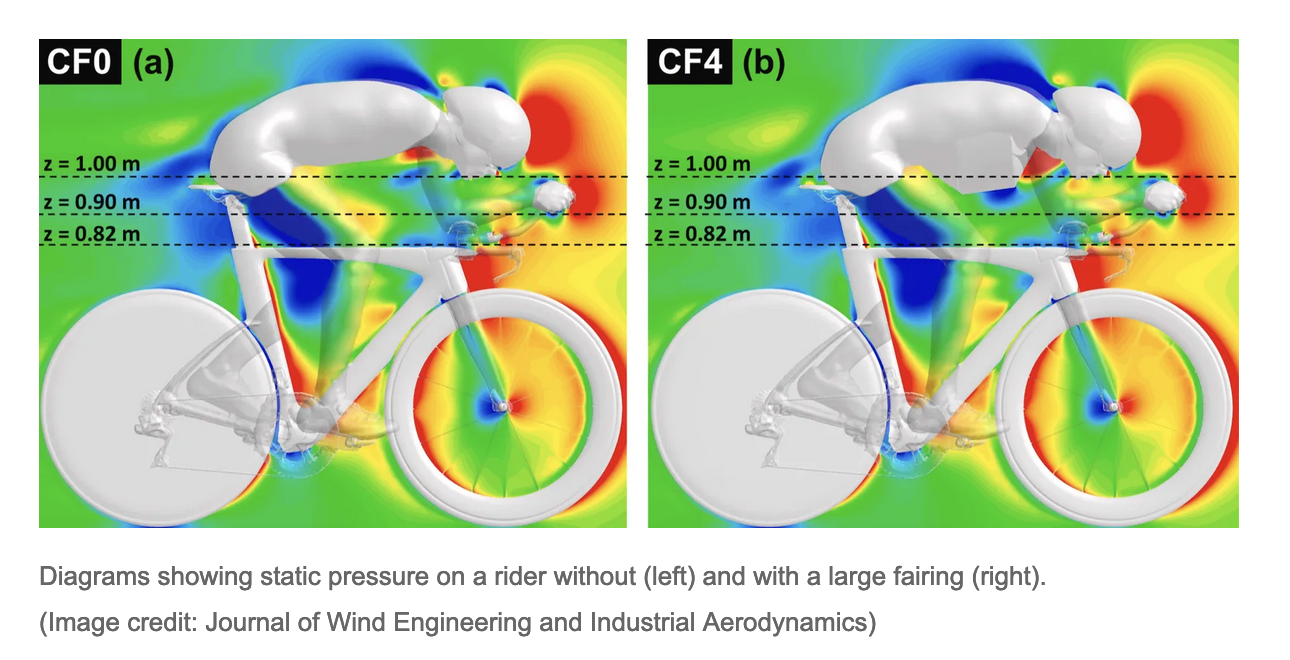
Adding a water bottle under the front of a cyclist’s jersey made them more aerodynamic. For years, conventional wisdom assumed the frontal area benefited from a more streamlined presence to achieve higher speeds. However, employing a water bottle acted like a fairing, increasing the cyclist’s potential average speed.
What pieces of conventional wisdom has your enterprise decided to suspend? A fundraising consultant evangelized that capital campaign asks for charitable donations should only be made while seated inside, signifying the request’s sincerity. An acquaintance decided they could only connect with distinct donors during recreational activities. They secured leadership commitments from key supporters while on the ski lift, golfing, mountain biking, and fishing. If they had waited for the prescribed moments, they anticipated a missed opportunity.
Cover or Compose
Are you covering a song or composing an original? If we cover songs, do they have the same depth and dimension as a song of our own creation? Listening to musicians converse, there are distinctive memories about the moment a rift or refrain reveals itself. Those in the room, when an idea is founded, possess a connection that is formidable to transfer to those who join us along the journey.
My friend Kate Schutt has been composing new songs for years. Through her music, she shares the most defining moments of her life. Listening to her newest release is a joy because I heard her tell the stories behind the lyrics. I may not have been in the room for the song’s genesis, but Kate has been generous in her ability to provide the audience with context. If it was not for her willingness to do the work that matters, we could just be entertained by the most notable songs to cover.
Workplace Fables
What stories were handed down that supported your work/service at your cause? Which narratives limit your effectiveness?
Multiple new board members have joined a cause and stated they would take the first three or four meetings to get oriented and up to speed before adding their wisdom. How has this mindset impacted the organization? What does this say about the orientation process? What vital contributions are lost during this acclimatization phase?
How has service on boards with a give-or-get policy (raise or personal donate x number of dollars) impacted the team’s mindset? If your primary focus stays on achieving your quota, what opportunities are missed? What is gained? Budgeting contributed income is easier if everyone is responsible for a percentage. The policy might eliminate potential board members who do not have financial resources or access to networks with wealth.
Designating appropriate resources, such as salary for staff, technology investments, and taking a political stand are considered inappropriate in some social sector factions. What stories do you encounter when explain why your enterprise invests so much/so little in staff compensations. What barriers/opportunities are evident when upgrading software? When was the last time your cause met with local legislators to share your legislative agenda? If we see compensation, resource investments, and lobbying as inappropriate for the sector, then what does that say about our help wanted sign? What does that suggest about how committed we are to reach our vision?
Stories may retain essential clues to how we prioritize our approach. How might we pay attention to which ones get the spotlight within our organization?