When we are unable to stay aligned, we can face additional challenges.
When we are unable to stay aligned, we can face additional challenges.

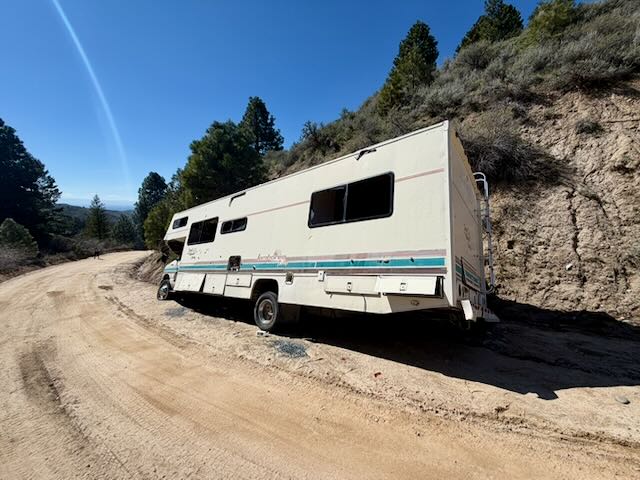
One aircraft (photo above) specializes in high-speed military engagements, while the other is ideal for general aviation flying and landing on short runways. One costs tens of millions, while the other can cost less than $100,000 on the secondary market. Understanding our needs and intended impact might allow us to assemble the best resources. If we are defending a territory, a 5th-generation fighter might be required. A Cessna may be more practical if we perform low-speed, low-altitude search and rescue support.
How might we focus on resources that best suit our needs rather than purchasing top-of-the-line variants? For example, maintaining a donor database on a basic (but secure) platform might save thousands of dollars in subscription fees and allow us to navigate just as effectively as the premium platform. Authentically doing our work with practical tools does not always require the latest version.
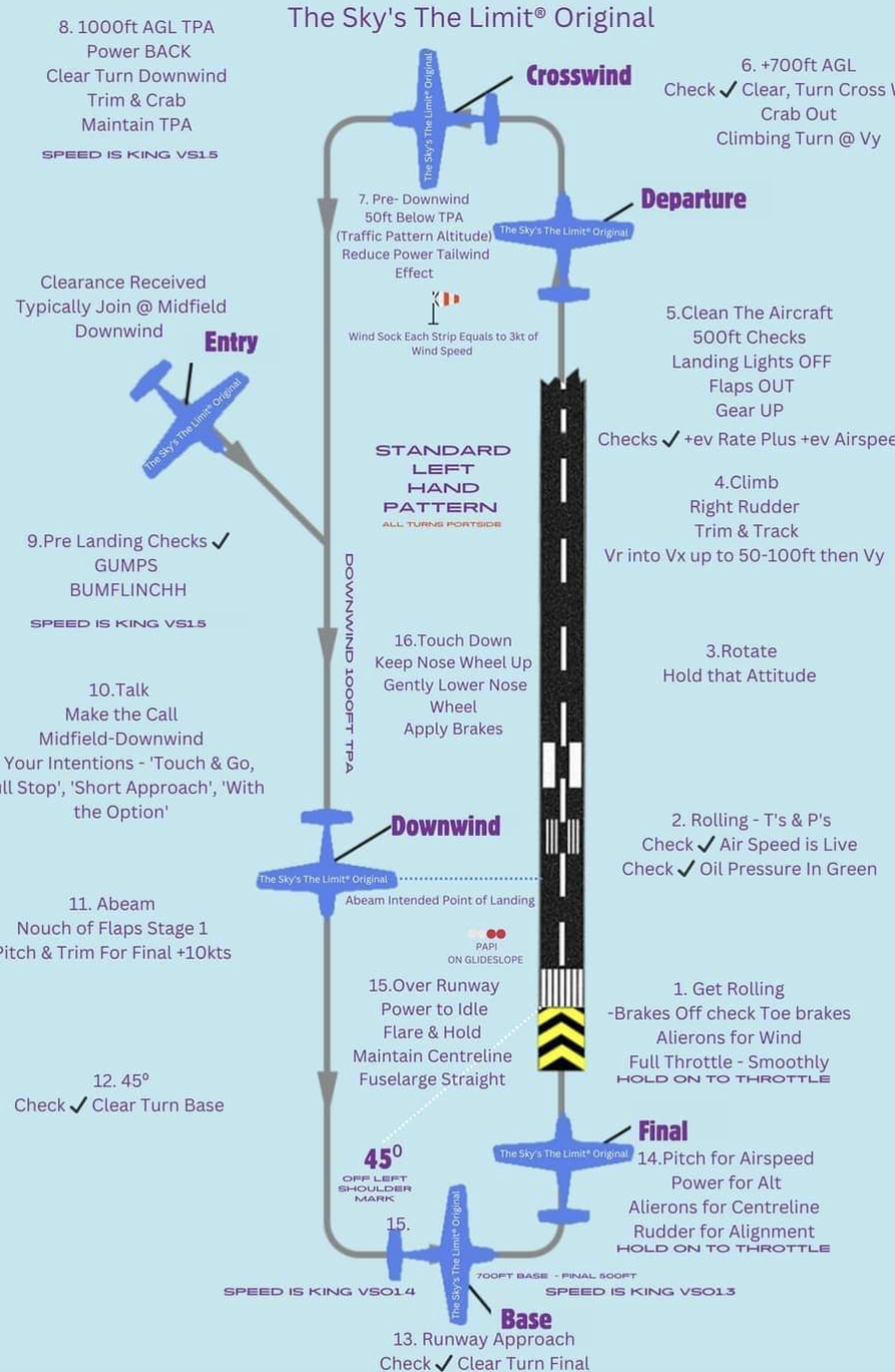
An aviator might use the following terms during a flight: departure, crosswind, entry, downwind, base, and final. It is vital that other aviators and control tower operators understand these terms. This allows for a shared language and expectations.
What is your enterprise’s common language? How do you orient new members of the community to the terms? What value do they add to your cause? When (if ever) do they fail?

Does your headquarters reflect the organization’s purpose and mission? Could we decode the organization’s values by touring the establishment that houses your programs?

A yoga instructor who shouts at their class might be missing the intention of yoga. A Board Chair who chastizes other board members for not twisting enough elbows to secure more donations from friends and business associates might not have a sustainable approach. A treasurer who reports that the organization’s tax returns have been filed but does not wish to share a copy for review may not be amplifying leading practices.
We might be doing the work that matters, but using the wrong communication methods (or volume) might cause more obstacles than benefits.

We need to be aligned in the right direction before we can take off. When crunched for time, we might see an open space and treat it as an active runway; however, we need to navigate the taxiways before we reach the runway.

My father served on the vestry of an Episcopal church. He was commuting to the city for work and knew he had limited time outside of weekends to serve on the church committees so he joined the Cemetary Committee. Much to his surprise, he received frequent calls (landline days) regarding landscaping or other issues around the graves. My Dad’s perception was that general upkeep was the goal. To the relatives of the deceased, there was much to be done, most importantly attention to the details that honor the legacy of their loved one. My father’s initial view was the committee was a passive assignment. To the family members, it was an active site to observe memories.
How might we align our intentions with the intentions of those that we serve?

Is your team aligned with your preferred target? Even biathletes occasionally shoot at the wrong target, aiding their competitors and suffering the penalty for their own results.
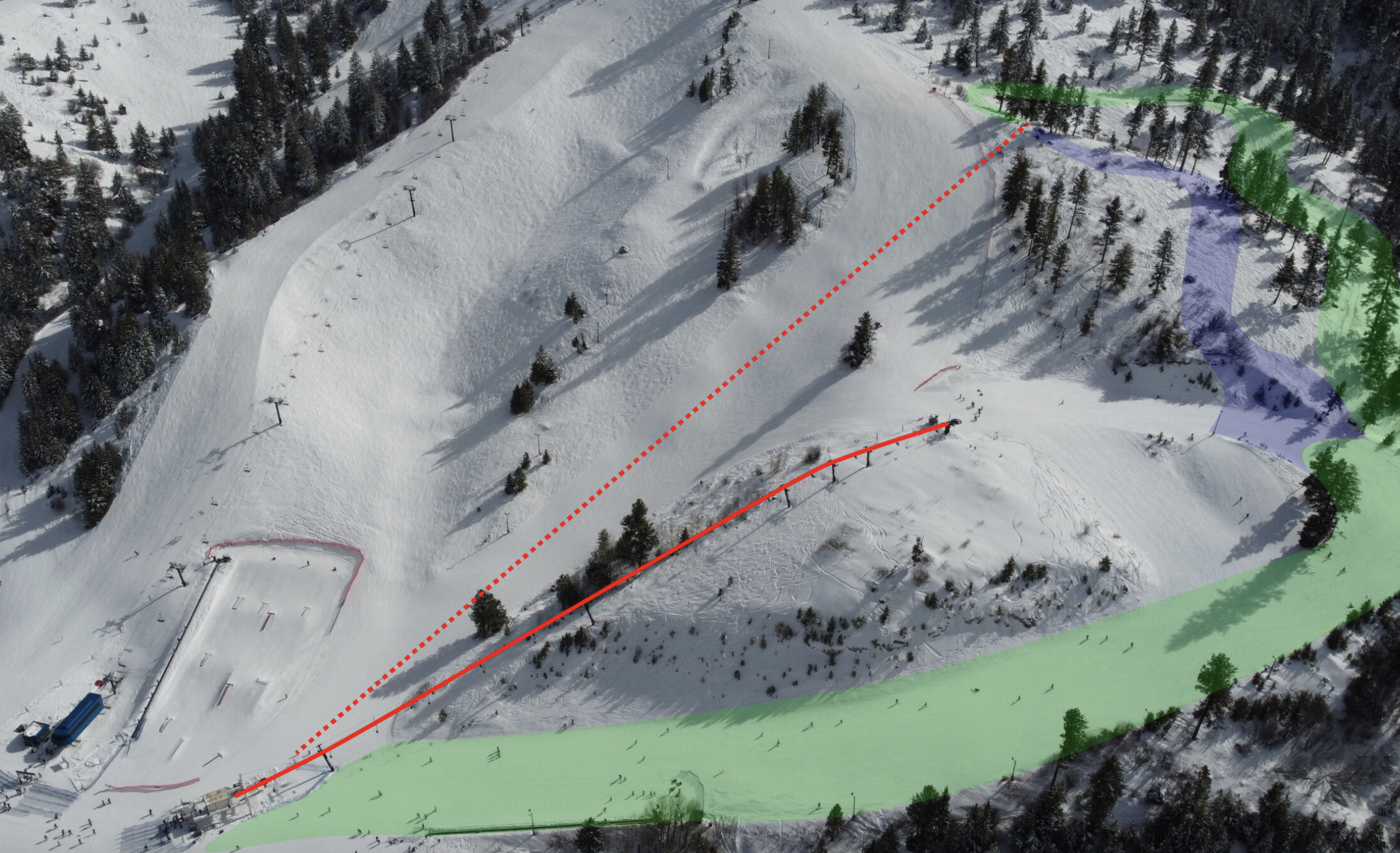
When rebuilding a ski lift, placing the lift towers in the same locations as the original version may not be necessary. Reconstruction is a chance to reimagine how the ski lift functions and even alter the impact of the ski lift. The first ski lift was constructed in the low point (valley) of pioneering ski runs. The thinking was skiers would gravitate to the ridges to make their turns. Skiers, acted on by gravity, naturally returned to the canyon portion of the ski run and inevitably dodged lift towers that occupied the preferred fall line. So, the ski lift was reconstructed on the ridge lines, reversing the original paradigm.
How might we utilize reconstruction to update our alignment? What if we are expanding the size of the board? Do we seek weak ties to broaden representation on the board, or do we double down on the skill sets and attributes currently serving the board? What if a key partnership changes? Do we find the next best organization to fill the vacuum, or do we review the program and assess future needs before moving forward? How do we remain curious, even when we have invested in a functional platform?

Reading United States’ mottos is a confluence of opinions and a group’s projection of themselves. Some of the mottos are aligned with our thoughts about a region, and others are further from our perception of reality. One of the ways we develop trust and authenticity is we state what we believe, and then we act in a manner that is compatible with the belief. If we can construct a simple equation that balances stated belief and action, we call individuals authentic. We might be willing to instill trust in them because of their authenticity.
 What-if-concepts