Curosity

Tracks

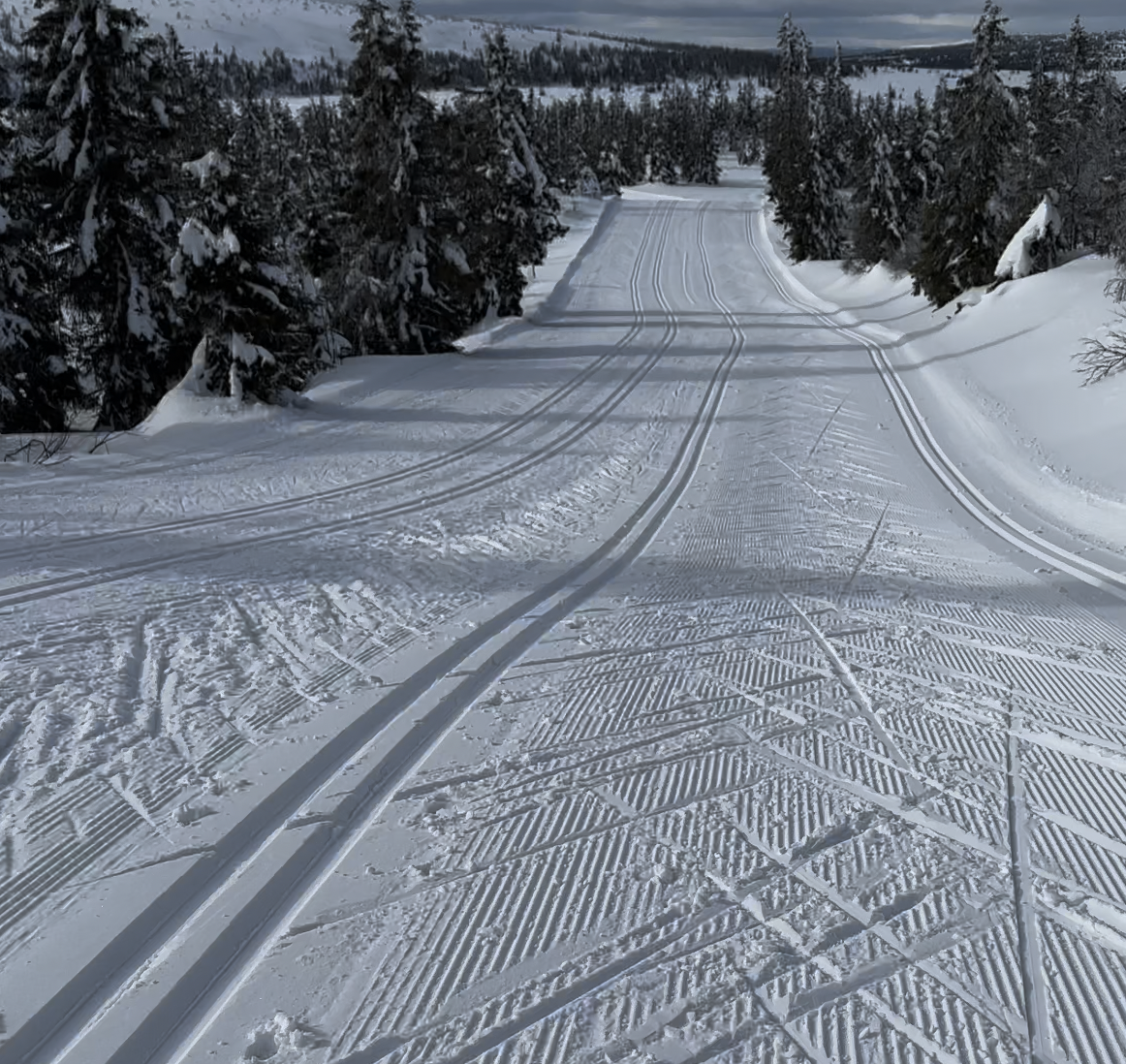
Cross-country ski tracks for classic/traditional skiing provide mini-guardrails to align our skis down the trail. Tracks allow skiers to relax a few supporting muscles that might otherwise be recruited to micro-adjustment and maintain a direction. The challenge with cross-country tracks is that a skier is beholden to the route the groomer selects. If the trail goes straight up the steepest hill or descends a formidable downhill, one can stay in the tracks and ski the route as prescribed. Or, a skier can bounce out of the tracks and attempt techniques more suited to climbing steep hills with less effort and controlling speed on twisting downhills.

Just because the tracks exist does not mean they are compulsory.

How might we recognize that ski tracks might be the fastest way forward, but in specific terrain and snow conditions, it is faster (and safer) to ski outside the tracks? How might we remain curious and not rely on compliance as our priority?

Blazes and Scars

When does defacing a tree serve the common good? Blazing a tree was a common form of marking a route in geography where trees existed in abundance. A uniform combination of markings symbolized that this was human-made and intentional. It contained meaning and assured travelers that they were on an established trail.

Animals also used trees to mark territory, sharpen claws, or satisfy natural instincts. These markings may be considered scars, even though the animal kingdom might believe that these marks served a similar purpose to a human blaze.

How might we expand our mindset to remain curious about the features we encounter during our journey? How might we not pass up the opportunity to double-click on the unknown so we might add depth and dimension to our understanding?

Two Realities

For a few individuals, it is a misty morning. For others, it is sunny with ground fog below. Both are accurate representations generated by individuals occupying the same building.

How might we recognize that multiple realities are forged within the same space? We might report on what we see and benefit from what others notice. The collective is probably more accurate than a single viewpoint.

Empathy Needs Space

To be empathetic, we need space for reflection and connection. If there are distractions, fear, chaos, alarm, or unsettling mindsets, we are unable to access empathy. Much of our current discourse during the pandemic has diminished the space required for us to see the humanity in each other. If we are consumed with endless distractions, we drift further away from a human-centered approach. We lose curiosity and adopt a snap judgement approach.

How might we consistently develop practices that generate space and curiosity? How might our reflections allow us to ask ‘what else might this be,’ when we encounter events and information that might be triggering? How might we recognize that the path others are traveling might be more challenging or require more of their resources than we might assume? How might we set each other up for success?

How we might realize that we are encountering others in the construction phase? We might not be seeing the final product.

Confrontations vs Conversations

If we call out an obscenity (expletive delete) at somebody, we are seeking a confrontation. It takes little effort to shout out a demeaning term and leaves few viable response options. If we say, ‘I do not agree with your choice,’ we open a dialogue. The other party might respond with a questions and we can clarify what actions are not agreeable.

Are we trying to start confrontations or conversations? Shouting obscenities might feel good in the moment but they are a lazy form of communication. Acknowledging that something does not resonate but leaving room for interpretation requires a different mindset.

If we want a fight, slander away. If we want to engage and learn, be curious about different perspectives.

Most Experienced Person on the Trail

IMG_2810

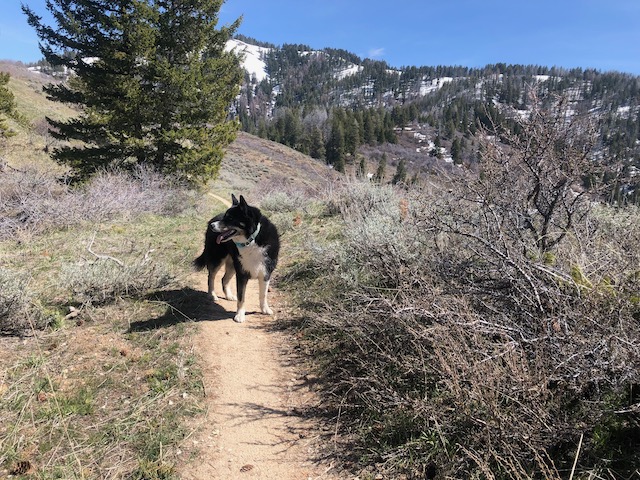
I was running a 25-kilometer loop through sagebrush lined single track, snow-covered forest service roads, and rolling descents, complete with numerous stream crossings. On the initial ascent, I stopped for a brief conversation with a hiker named Mike.  We had a short chat about the trail conditions, his hike, and my intended loop. He mentioned something about being a former runner, and I inquired about his adventures. Mike had run a couple Western States 100 Endurance Runs and the Leadville 100 in the late 1980s and early 90s. He was ‘just a hiker’ now but the most experienced ultra-athlete on the trail that I would encounter today. 

It can be convenient to use current performance as a metric to judge an individual’s total talent and experience. Occasionally, we encounter scenarios where assumptions expose falsehoods. Riding my road bike on an alpine climb, I caught a cyclist who was too fit and in sync with his bike to be caught by an amateur. The rider was a Tour de France finisher out for a recovery ride and socializing with friends. His current performance did not indicate the world-class ability that existed within his performance capabilities.

Let us not be too quick to judge the information we might learn from the individual who is traveling a little bit slower and covering less distance than us. The most experienced person on the trail, volunteering, sitting on the sidelines might be the person who is comfortable with their pace. They have already been there and done that and have vast amounts of knowledge to share.  Let us be more curious about the stories that matter.

Economic Development

IMG_9597

Are we diving for random shiny object at the bottom of the ocean?  Does any opportunity that positively impacts our balance sheet look compelling?  If we are seeking to thrive by employing an economic development plan predicated on the notion that any opportunity is a good opportunity it may be an arduous journey.  What if we posted an detailed help wanted poster?  If we added attributes and images that attract those who have something of value to contribute to our cause and we can in turn be of service to them?  We do not have to posses all the answers but we must embrace curiosity to discover new opportunities without being distracted by all the loose change lying around.