Decision-making

Wayfinding

There is not a prescribed route during an orientation race. There are checkpoints but the terrain in between is navigated in real-time with decisions made based on glances at a topographic map and assessing the geography encountered. Wayfinding is a skill that is applied to the expanses we occupy at the moment.

How might we be aligned to checkpoints but not prescriptive about the route? How might we recognize that real-time information is vital to timely decisions? How might we not try to forerun the course when the event is unique to us?

Backlight

What perspective becomes visible when you add backlighting? How might we use different approaches to consider an idea instead of approaching from the same direction at the same time of day? If you head out on a night hike, navigate in a snowstorm, or work from poorly scaled maps, you experience alternate ways of traveling.

How might we occupy diverse vantage points at irregular times of day to see the terrain ahead in both ideal and challenging conditions?

The Void

Flightradar24 is an excellent app for tracking flights. You might comprehend some consistent travel patterns by visiting the site enough times. For example, the flights departing for Europe tend to depart in the afternoon and fill the Atlantic routes as the evening progresses. Alternatively, FedEx and UPS aircraft dominate overnight as they sequence into their respective bases in Memphis and Louisville. Occasionally, an anomaly is visible. A disruption to the patterns that stands out, even without activating additional filters like weather or volcanic activity. A void forms. It is easy to see the pattern disruption as an opportunity, like an open travel lane during a traffic bottleneck. But upon closer inspection, we might recognize the barrier.

How might we not race into each opening, focused on getting ahead without evaluating the environment surrounding us? How might we seek the insight of trusted partners before acting?

Certainty

Are you more or less likely to trust a directional sign if it appears rickety and patched together? Is it safer to take guidance from a signal that appears in an original state versus one in a liminal state?

What opportunities do we miss when we forsake the uncertain? What risks do we avoid by staying on the main path? What resources are we willing to expend in search of something new?

Correlation and Causation

Correlation is not causation. In a US Presidential election cycle, there are references to one party’s ascendency to power equating to economic outcomes. These correlations and causation folk tales either lack evidence, do not account for other factors, or focus on limited outcomes.

It is a convenient trap in which we get caught. We believe that adding a certain type of board member, hosting a specific gala, running a certain program, or marketing on a particular platform will lead to a specific outcome. There may be correlation and causation links, but often, they are anecdotal and conceal better decision-making opportunities.

How might we not inherit the C-to-C trap and remain curious, even if it appears to go against tradition?

Following

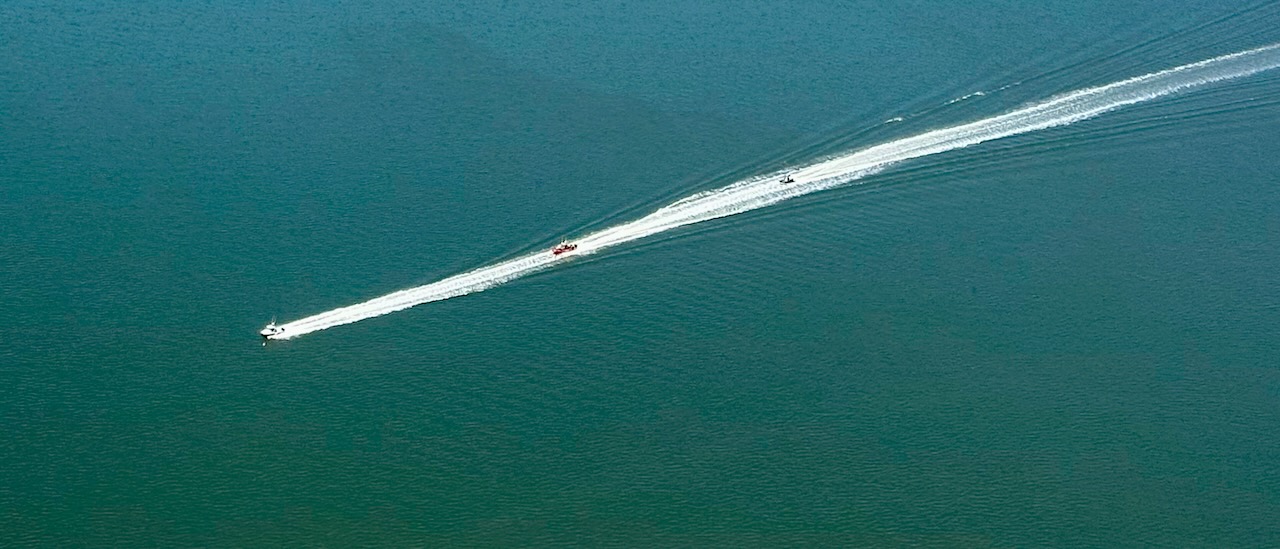
Three boats in a row, the latter two following the wake of the first. Who has the most responsibility in this scenario? Do the second and third boats leverage some leadership to the lead boat? Do they each maintain equal accountability for their autonomy?

It is convenient to allow those we follow to set the course? We can lapse into a daze and miss key landmarks, junctions, possible threats, and options.  It does save us energy and resources to turn over leadership to those who take the point.

How might we be more intentional about when we lead and when we follow?  Who might we remain flexible to break off from the pack when it serves our best interest or the navigation requires individual decision-making?

Best Decision?

If you are a summer camp trip leader, taking campers into the wilderness for backpack, horseback, and fishing trips has many responsibilities. One of the primary objectives for any journey is the safe return of all those who sign up for the adventure. You and the staff must make numerous decisions starting before the trip departs (food, gear, medications, briefings, etc.) and continuing until after the trip returns (debriefing, medical reports, repair/return gear, etc.).

The campers are the priority for the trip leaders. However, you make decisions throughout the trip considering more than their desires. Campers might prefer to play Capture the Flag, but it is getting close to dark. The surrounding terrain is a rocky meadow ringed by a dense forest. The group is showing signs of fatigue, and you have been briefed that a black bear was recently sighted in the valley where you are camped. You might postpone the game to another campsite and suggest an alternative activity, or you might organize a quick round.

The best decision for maximum fun is to play the game; it might be the highlight of the summer for the campers. A potentially safer decision is to play cards and not allow anyone to leave the campsite unless accompanied by a staff member. This might disappoint the campers but mitigates the risk management exposure. Our decisions are influenced by who we are serving. As the responsible party, trip leaders might consider their training, what parents want for their campers, and how the camp’s management would respond if an incident occurred. Conversely, the campers seek to maximize the camp experience; they see the joy and happiness of a quick game in a remarkable setting.

We are continuously placed in situations where we must decide between options. The stakes of the decisions vary, and the impact of the outcomes ranges wildly. For monumental decisions, we may labor over a variety of considerations. For inconsequential choices, we probably grab and go. The more clarity we have about what we believe, what values are embedded in our cause, who we serve, and what impact we seek, the less friction, and we will get to the decision point quicker for significant choices.

Predicting the Future- Poorly

If we can predict the future, why did we schedule the gala performance on the night of an enormous summer thunderstorm?  

How might we recognize that we cannot predict the weather and, therefore, probably cannot anticipate other critical future events? Perhaps we should leave space in our planning to adjust and reroute.

Committed to the Journey

If you are committed to the journey, you are willing to get your shoes wet. It is a simple test early in an expedition.

The smoke from the wildfires cleared in our region for a day. I went for a long trail run and at the first water crossing, I waded through the river and prepared to continue my run. A group of hikers inquired if there was a crossing that did not require wading across the river. I said I was unaware of any immediate down trees that formed natural bridges or rocks that allowed for hopping across. Despite my reassurance that the alpine lake they had selected as a destination was remarkable and the water was not cold, they turned around and proceeded back to the trailhead. I was committed to my journey, thinking it was enhanced by the dozen stream crossings. They were committed to keeping their feet dry. A river crossing served as the barrier to entry.

Upgrades

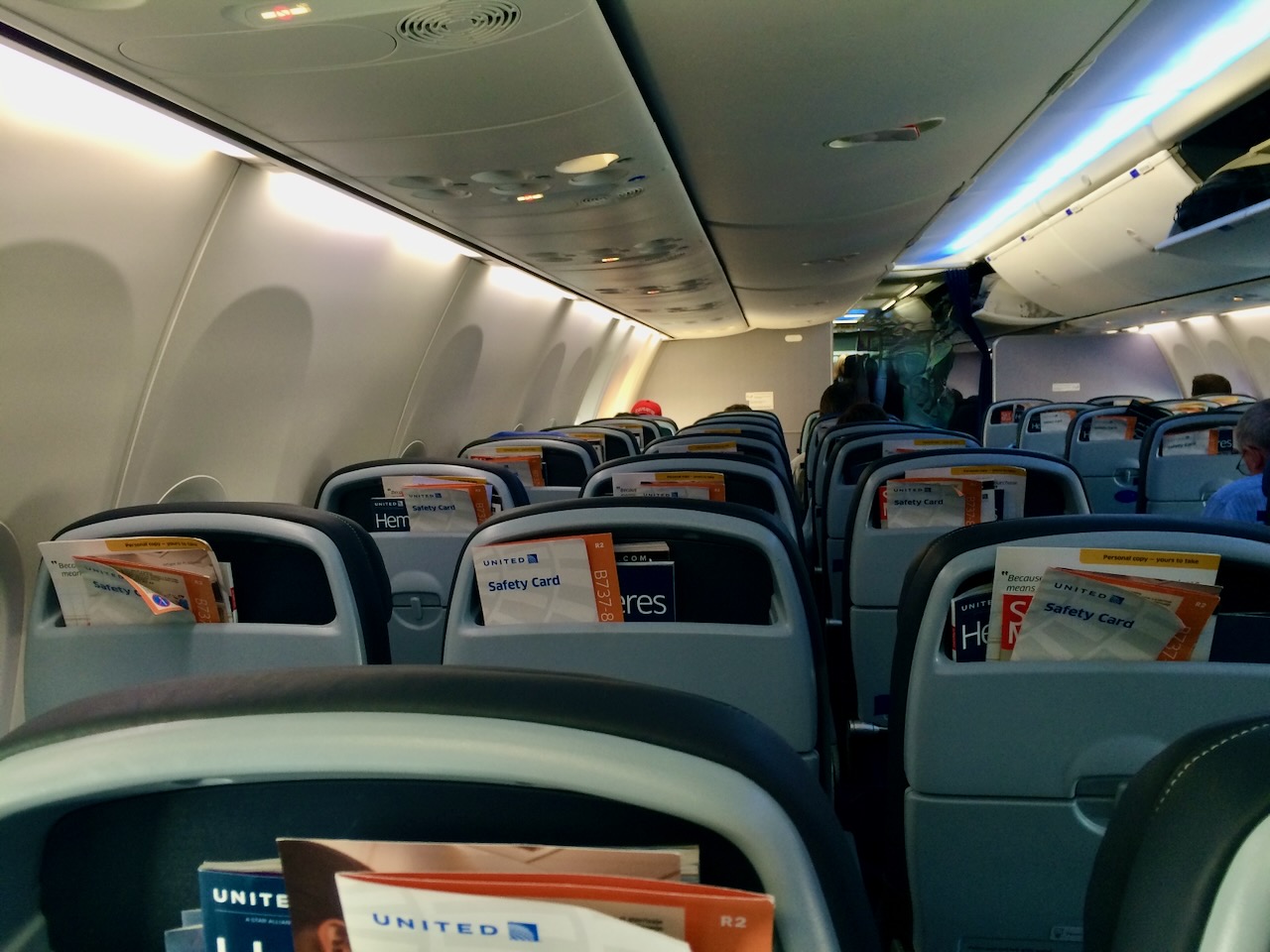
Note the in-flight magazines, a mainstay of domestic flights 10-years ago

When traveling as a group, how do you treat the opportunity to upgrade? It may be a bus seat with more legroom, a cafe table by the window, or an aircraft class of service upgrade. Do you take the upgrade, give the upgrade to somebody in your party who may not have experienced the opportunity, or decline the opportunity unless the entire group can advance together? What does your group suggest if one person is provided a better way of traveling? Does the quality of the upgrade matter to your group’s decision-making process?

When upgrades are offered, they are a good test of our values and priorities. There is no right or wrong, but it represents a chance for actions and beliefs to align or bifurcate.

What have been your experiences in real-time?