If we get precise about what we are doing, it will clarify where we position ourselves. Companies prioritizing returning their employees to the office are reversing this conversation. They are focused on filling their offices with employees that the ‘where’ is proceeding the ‘what.’ Southwest Airlines allows customer support team members to work from home. As an airline, there are vital roles that require presence at an airport or base of operations, but there are roles that allow for a ‘work from anywhere’ approach.
If our journey has the strategic impact we planned, we need to know what road signs to look for. Otherwise, we might confuse motion for progress. If we are living our stated organizational values, it should be evident in the team’s behaviors. Otherwise, we just connect the closest dot without appreciating the whole picture.
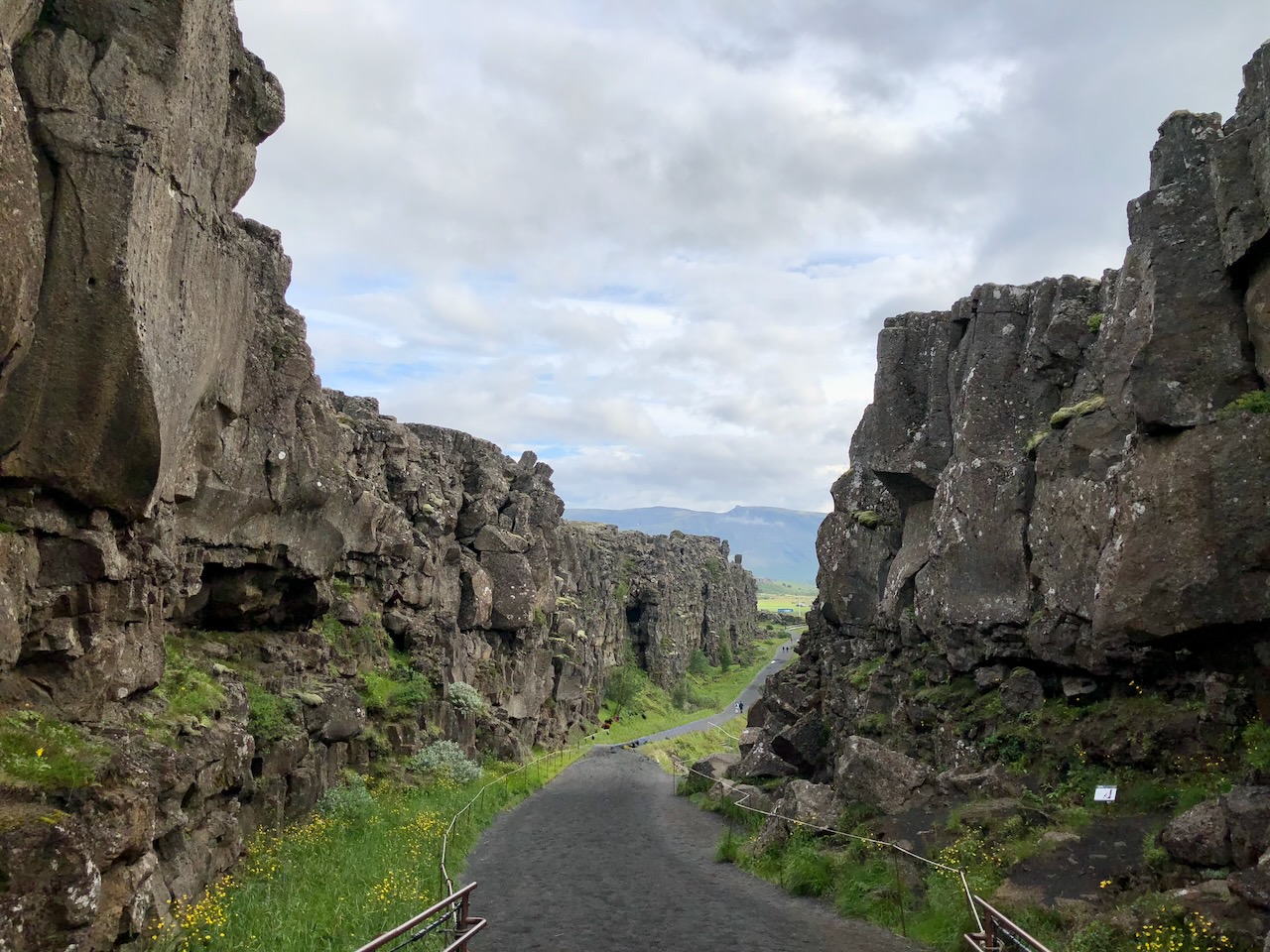
Mid-Atlantic Ridge in Iceland: Meeting of the North American and Eurasian tectonic plates
If we build on a fault line, expect dynamic experiences. If we desire stability, we may need to seek more durable ground. Flying into my city earlier this year, I spoke with my seatmate who worked as a facility manager, building served farmers (data centers). He was overseeing the construction of a new center outside the town. I asked him why his company picked this location, and he stated that it met four critical criteria: geologically stable land (i.e., limited seismic activity), a good source of inexpensive power (hydro and wind), less expensive land, and the cost to build was attractive. The exact property would not work well as a prospective site for a geothermal pool or a national park that contained geysers.
Where we work may influence our impact and ability to establish a stable foundation. A ski instructor has more prospects in the mountains than being based in the tropics. A social service organization might likely thrive in a region with an established nonprofit center and a community foundation. If your cause is a search and rescue organization, it exists on the frontier between emergency services and volunteer resources. The business model demands working in dynamic settings and functioning on fault lines.
How might we assess where our services are most needed within a community? How might we be willing to migrate if the need has relocated?
I support ‘Save Klister Tubes From Extinction’ (a fictitious organization), the best social sector cause anywhere. The program production quality is better than the most viewed TED Talks. The staff is entrepreneurial, sophisticated, and customer-facing, continually granting my requests. The team leverages my donations using a 1 to 10 matching program, so my $100 contributions are now $1,000. Our office is donated by the city’s largest private equity company, and the enterprise received a bequest from a prominent social activist, which is being used in full to fund all operating costs for the next three years. As a board member, my time is exceptionally valued. Every meeting is professionally scripted and run, there are no lulls in conversations, all votes are unanimous, and the mesmerizingstaff reports are uploaded as video presentations to the board portal. The board meets quarterly in the nicest corporate conference room in town, with a catered lunch personally prepared by a rotation of award-winning chefs. Our volunteer program has a waiting list, with prospective volunteers placing their names on the list before moving to the region. Our impact metrics are remarkable; 100% of all individuals served achieve the highest outcomes and report their personal life satisfaction scores increasing 10-fold within one year of completing our program.
Fake reviews traditionally have two extremes: the one-star, everything went wrong template or the five-star, this thing changed my life version.
What realistic review does your organization aspire to attain? As an icebreaker exercise, ask your team to compose authentic future reviews of your organization from a stakeholder’s perspective.
How close is your enterprise to realizing that inspirational review today? What resources and priorities are required to bridge the delta between the present and the future? What would change if your cause achieved this level of engagement and satisfaction?
In 2018, the New York University School of Medicine announced free tuition for enrolling students. A stated metric was the growth in attracting more diverse candidates and greater placement of primary care physicians in underserved areas. MarketPlace aired an update on the program’s progress. A quick glance at the stated metric suggests this effort has not yielded the anticipated results.
The hypothesis was that tuition was a significant barrier to entry, and due to the likelihood of student loan debt, medical students would select specialties that paid the highest salaries over primary care or other lower-compensation medical fields. ‘Free’ is complex and has not vacated all the anticipated barriers. The growth of diverse and challenged socio-economic students has not been as expected.
Leading with a metric can mask the more significant investment we seek to actualize. NYU’s School of Medicine has additional levers and strategies to launch to address the national shortage of medical professionals. The metric might get the headline, but the work that matters may be buried in the heart of the story.
Why do bicycles, automobiles, blenders, and wind turbines have gears? Why not maintain the same mechanical ratio and remove numerous redundant parts?
A partial answer is that gears allow control over power and movement.
When we are working on a project and an individual requests that we shift gears, it implies that our efforts need to be recalibrated to another ratio. Perhaps we need to add more creativity, speed up, wrap up, abandon, try another way, seek help, change leadership…
Gears are magical when we use them to our advantage. When riding a bike in the French Alps, we might use the entire capacity of the rear cassette. Cruising across town on a greenbelt with a negative one-degree slope and a fixed-gear commuting bike is sufficient. Shifting gears is highly beneficial in mixed terrain and likely fine-tuning in static conditions.
How might we shift gears when it benefits our work but not allow the machine to control the operator?
Progress, not perfection, is an insightful mantra. If we wait to act, curate our art too much, or wait for ideal conditions, we might sacrifice the opportunity to progress. It might feel safer to continue our edits, build another version, or seek additional feedback, but this may delay our chance to generate a more meaningful discussion. Of course, we must assess the risk. We can break the fear threshold if the possible outcome leads to personal failure and hurt feelings. If the user’s safety is compromised, it is best to delay until our concerns can be mitigated.
Mogul runs start out as relatively smooth patches of snow. Either the run is groomed or early-season snowfall creates an unbroken blanket of coverage. As skiers and boarders descend, the snow piles into clumps, and moguls are formed by the shape of each turn and augment the terrain below the snowpack. Some ski runs are designated as mogul runs and develop unique characteristics throughout the ski season.
When we think about the terrain in which we operate, we are often responding to the influences of those who travel before us. We might believe we are creating an original line, but like a mogul field, our options for where we turn are influenced by our predecessors. We are probably not the first to have traveled on this route but we can descend with our signature style.
Shopping in an outdoor store and I encountered a display for travel luggage. Talking with a team member, the cutout portion from an actual commercial aircraft was delivered to the store, complete with cigarette butts in the ashtrays and oxygen masks still stored in their overhead panels. In my experience, it is not common to encounter the fuselage of an aircraft in a retail environment. The display was remarkable for the story of its acquisition, transport, and installation. If I had been shopping for travel luggage it might have been appealing but instead, the display might be overshadowing the product.
How might we calibrate our displays to amplify our products (or services)? What happens when the display framework takes more commitment to produce than the design of the product? When we assemble a fantastically designed strategic plan, annual report, or capital campaign brochure but the content does not reverberate, we get credit for thoughtful marketing but the depth of our work is forsaken.
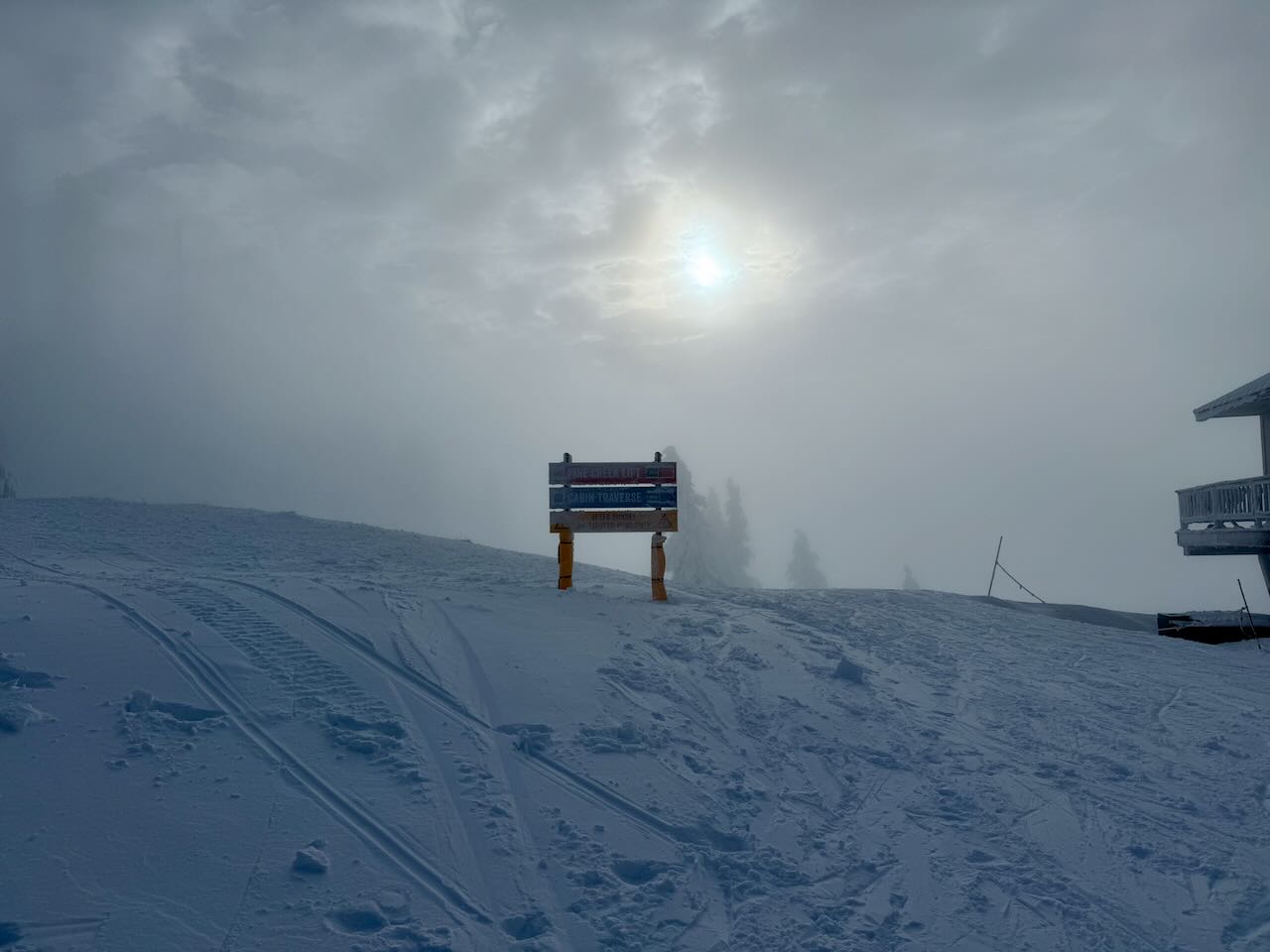
It is easier to see your impact if you get first tracks on a ski run. If you catch the last lift of the day, it might be harder to distinguish your line from the thousands of others. Being first comes with challenges but you leave a recognizable trail.
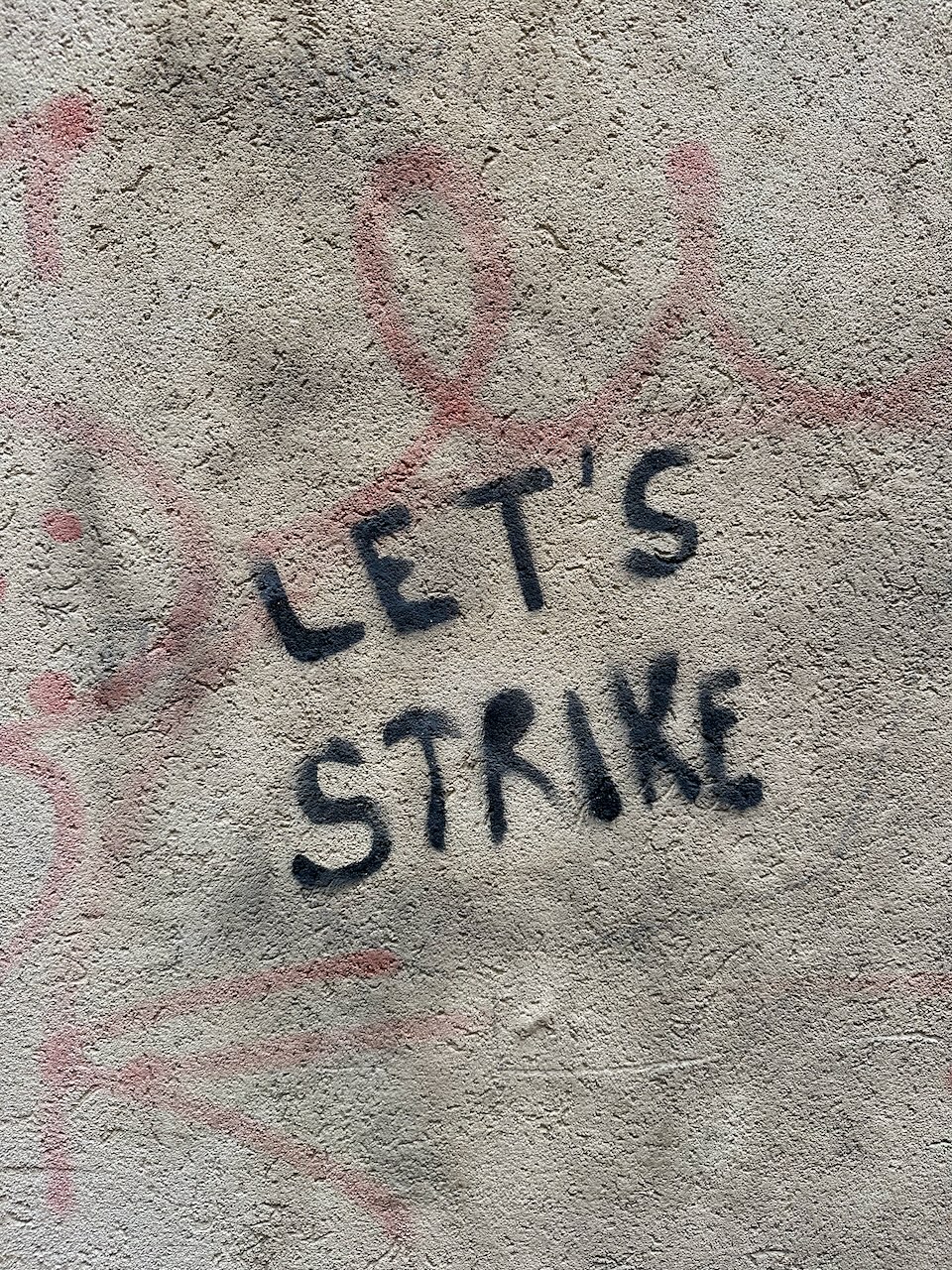
One meaning of the above phrase is about creating disruption and ceasing work. Another version is about creating disruption and changing the way we work.




 What-if-concepts