Innovative Concepts

Providing Access

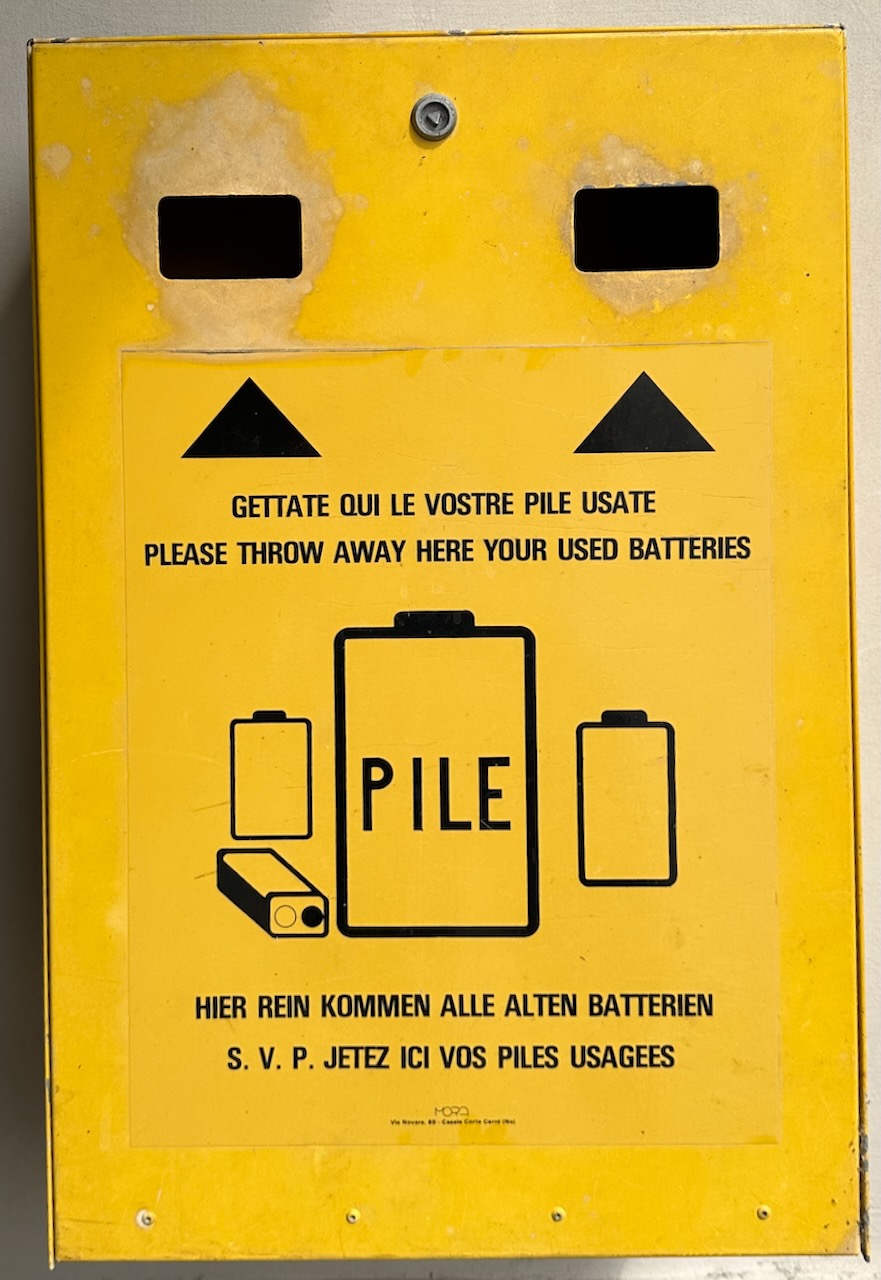
How do you deliver your services to those who benefit from your superpower? Is the access point narrow and secretive, or is it broad and expansive? Are you offering urgent care level availability, or are you a specialist that requires an appointment and a long wait? Knowing where we are uniquely positioned to serve allows us to think about the platforms where our services are most effectively delivered.

How might we provide access for those in need? What is worth positioning in the public domain, and what requires safeguarding behind a robust fortress rampart?
Trail Companions

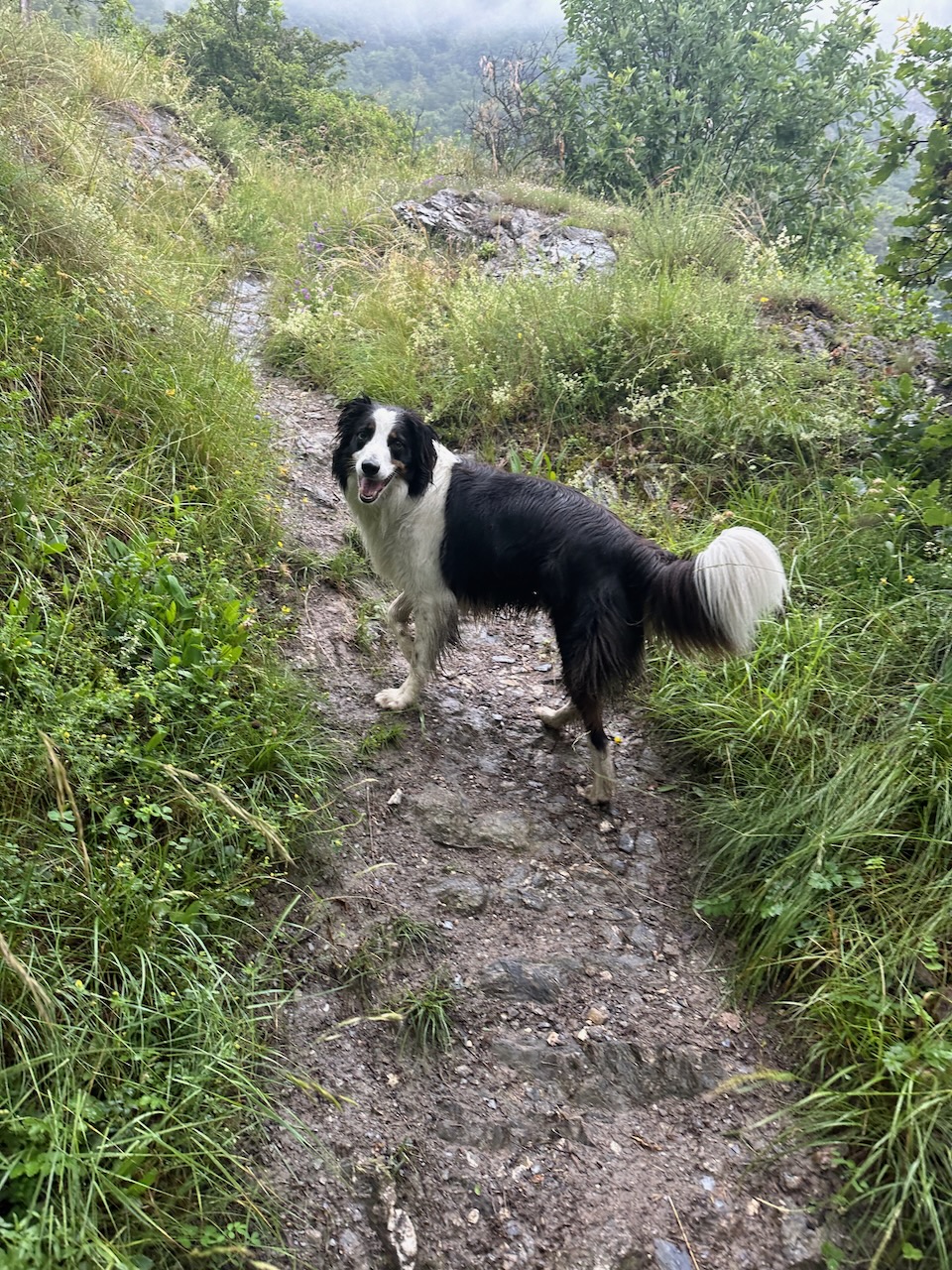
There are times when we select our trail companions, there are times they select us, and there are times when we happen to occupy the same section of the trail. I was running in the mountains when a dog decided to join me for a portion of my run. The adventurous canine appeared happy and confident, so I assumed good intentions. After a couple minutes of shared navigation, I noticed another trail user with an umbrella below me on the lower switchbacks, and the dog dutifully returned to their owner.

We do not always get to pick our partners while doing the work that matters. Sometimes, we join forces after strategic decisions; other times, circumstances compel us into a shared space, and occasionally, we just happen to be occupying the same point in our work (or organizational lifecycle).

How might we be open to all types of partnerships, not just the ones that primarily benefit us? How might we recognize that being a trail partner offers assurance to those who might have doubts or need a little inspiration to continue their journey?

Vision vs Visionary

When the conditions are right, I can see the horizon line from the right viewpoint, and if someone designs a functional orientation point, I can align myself. However, imagining the future we are trying to create is harder when obstacles appear.

How might we provide the proper orientation for those we serve? How might we set people up for success? How might we provide a sense of the work that matters for those seeking to fuel our journey? One requires end-user empathy. The other relies on wayfinding attributes.

Specialty

I doubt many museums like this one exist in the Rhone-Alpes, France. It is unique and specialized. If this topic interests us, we will find a route to visit when we are in the region. If we are the specialists, we are afforded more latitude regarding location, hours, amenities, and posted reviews by those not closely connected at the super fan level. This is for a very select group. If you know, you know.

Designed With Purpose

How might we design our services with the end user in mind? If we publish a “how to” app but fail to assess which language is native to most users, the app will fail to scale if language is required to navigate the app.

How might we consider the needs of the end user before we consider how well the service works for our portfolio of offerings?

Entry Point

What is your entry point for engaging those you are seeking to serve? Opinel created “My First Opinel” knife with safety features, including a rounded taper blade. Offering an entry point allows people to feel part of the club, even if they are not ready to access all the features and benefits of the best version of your enterprise (services and products).

How might we be intentional about our entry point and not solely focus on the best-designed version of our work?

Fuel for Your Journey

A water fountain requires little maintenance but provides essential fuel (hydration) for those who pass. A thirsty hiker, cyclist, runner, hot canine, and many others benefit from a good water source’s self-service, always-on nature.

What services do you provide that are easy to use, simply designed, and require little labor to monitor?

Ridgelines

When we navigate mountain ridgelines, we get a different perspective. When the views are optimal, we can see multiple sides of the peak we are ascending. When the weather closes in, we are closer to the terminal velocity point, where weather sweeps across the edges, and we adjust to atmospheric pressure differences. It is often a dynamic place.

How might we situate ourselves at our organization’s ridgeline to better understand what terrain we have ascended and what remains above? When I worked at an elementary school, the student drop-off and pick-up points provided a ridgeline vantage point into parent-student interactions. The faculty lounge was a ridgeline to staff morale and mindset. The recess area was the ridgeline for student-to-student interactions outside of the classroom setting. What are your organizational ridgelines?