Philanthropy

Context

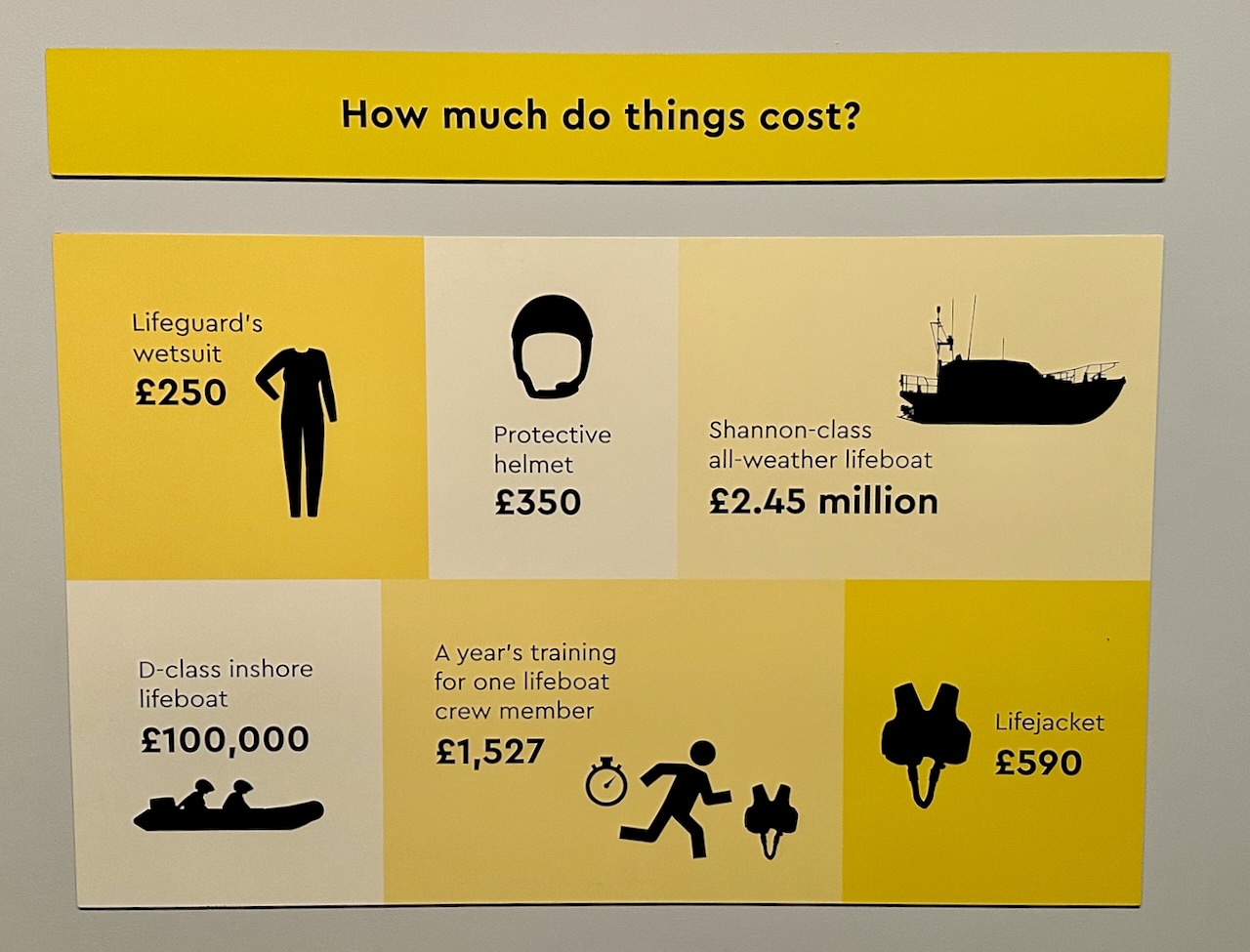
The Women of the RNLI Exhibit provides depth and dimension to the work of the Royal National Lifeboat Institution (RNLI) in the United Kingdom. Throughout the exhibit, the impact of the RNLI’s work is highlighted, especially the fact that the institution receives no government support and relies on philanthropy to fund its operations. Making the cost of operations visible is challenging, but when done well, it educates, engages, and calls us to action.

How might we make our work more visible?

Outliers

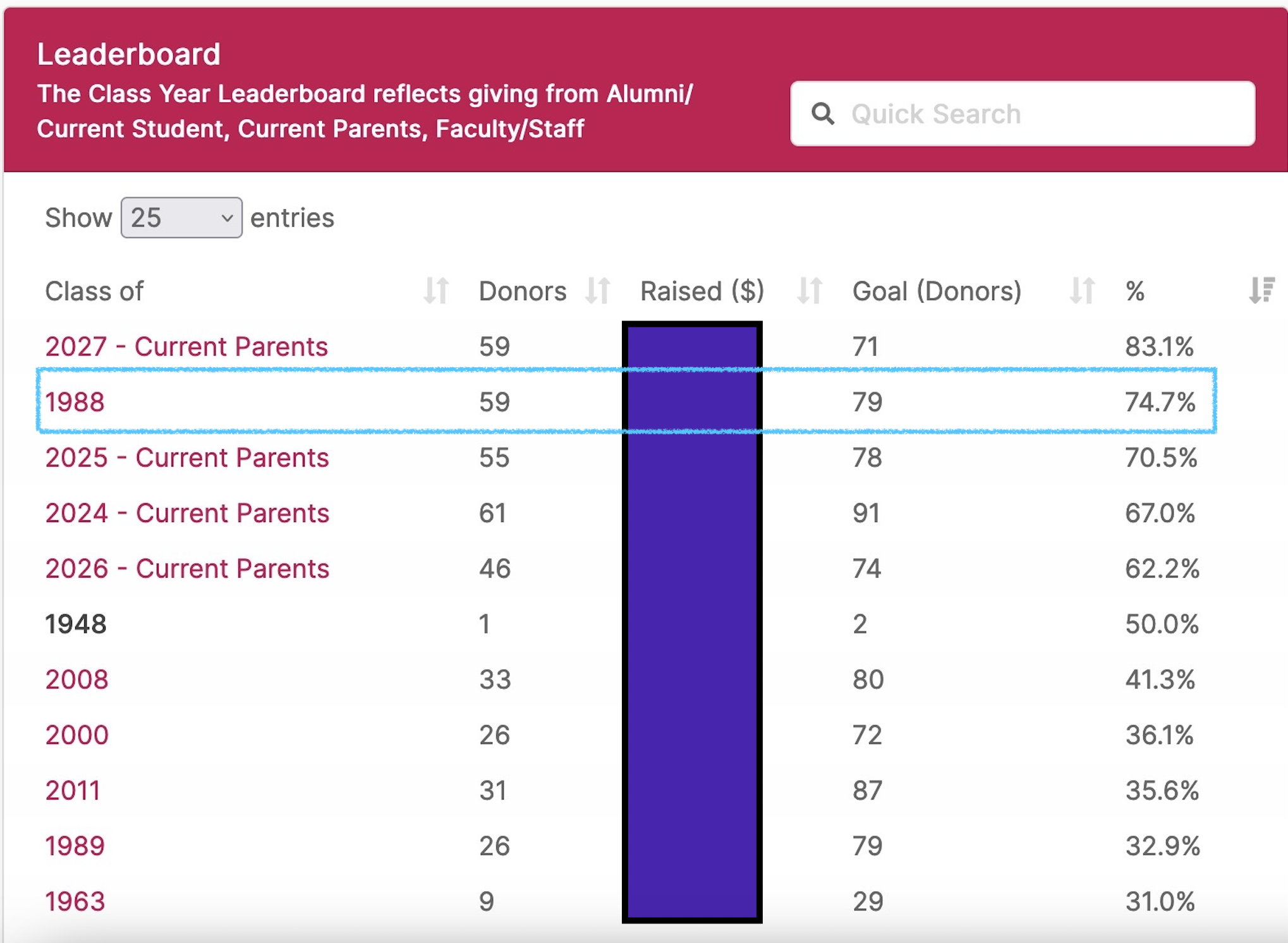
When a group does something noteworthy once, we call it a blip. But if they repeat it again, and again, and again, we search for clues. During a school’s annual day of giving, the graduates from the class of 1988 participate at an extraordinary rate. There is nothing unique about these graduates, no celebrity offering tickets to their next event or incentive scheme that makes participation transactional. Simply put, one class member dedicated themselves to staying in contact (pre-social media) with most of the class. They sent out several emails before and during the one-day philanthropy event. Class members respond, and the cascade of contributions flows, with the participation rate edging toward 80% (the above screenshot was taken before all gifts were made). Other class agents attempt to replicate the giving patterns of the class of ’88 with mixed results but usually cannot sustain the participation rate. The class of ’88 is an outlier, not necessarily managed by the school, but a once-a-year revival.

How might your cause embrace your outliers? Where do you offer support? Where do you stand aside and allow the organic nature of their actions to proceed, unencumbered by systems? Which outlier activities are transferable, and which are not easy to replicate?

Stacks of Firewood and Philanthropy

When I see a well-stocked wood pile, it makes a statement. Somebody decided there was a future need, and their future journey required additional resources. They cut, split, stacked, and secured sufficient reserves to assist their planned itinerary. I am optimistic about their future.

When I see an under-resourced group, I wonder what decisions were made? Was it a lack of knowledge, a sense of assurance that rescue is certain if needed, a lack of planning, or circumstances?

I feel that end-of-the-year philanthropy is a mixed effort to add fuel to the journey. Some resources may be used as a buffer for challenging times, some may be burned immediately to keep the doors open, and some accumulate without a plan.

What if we prioritized our contributions to those causes that asked directly or those that we have invested in with our time, talent, and touch? What if we did not always show up out of habit and tradition with a cord of firewood each winter? Would it change relationships and the course of the social sector?

How do you respond to the end-of-year appeals? How do you evaluate the level of need for these causes?