Progress, not perfection, is an insightful mantra. If we wait to act, curate our art too much, or wait for ideal conditions, we might sacrifice the opportunity to progress. It might feel safer to continue our edits, build another version, or seek additional feedback, but this may delay our chance to generate a more meaningful discussion. Of course, we must assess the risk. We can break the fear threshold if the possible outcome leads to personal failure and hurt feelings. If the user’s safety is compromised, it is best to delay until our concerns can be mitigated.
Service
Icebreaker
Quick icebreaker activity for your team. Provide a timeframe (3 months, 1 year, duration of board service term, etc.) and ask each individual to write down an event, milestone, or moment that they are personally looking forward to reaching. Place these on an internal calendar (as best you can) and then acknowledge them as they are achieved, passed, or become evident.
The organization’s highlights are not always the same as those of the individual team members. Recognizing individual milestones helps add a shared sense of service and accomplishment. As an added bonus, it is a nice way to start a meeting and build deeper connections.
Lagom
Lagom is a Swedish word that translates to “just about the right amount.” What is Lagom for your work? What level of services, resources, engagement, impact, and awareness fit that mindset? So often, the social sector exists in a deficit mindset, driven to scale and expand. If we were to calibrate our work, where would just about the right amount appear on the scale?
Famous vs Infamous
Do you want to be famous or infamous? Famous requires work and excellence. Infamous requires attention and notoriety. Infamous can come quickly. Famous usually is proceeded by dedicated focus and work.
How might we not be tempted by attention even if we risk infamy? How might we remain on course to reach a level of dedicated service that fame reaches you?
Cathedral
A Tour
If you had an hour to take key supporters on a tour of your enterprise, which stops would you include? Who would narrate? Who would you invite as guests and as representatives of the cause? Would it be primarily sightseeing, or would there be an immersive opportunity?
How might we pre-plan our itineraries for those who wish to know more about how we serve so we are not just pointing and walking when the opportunity presents itself?
Seen
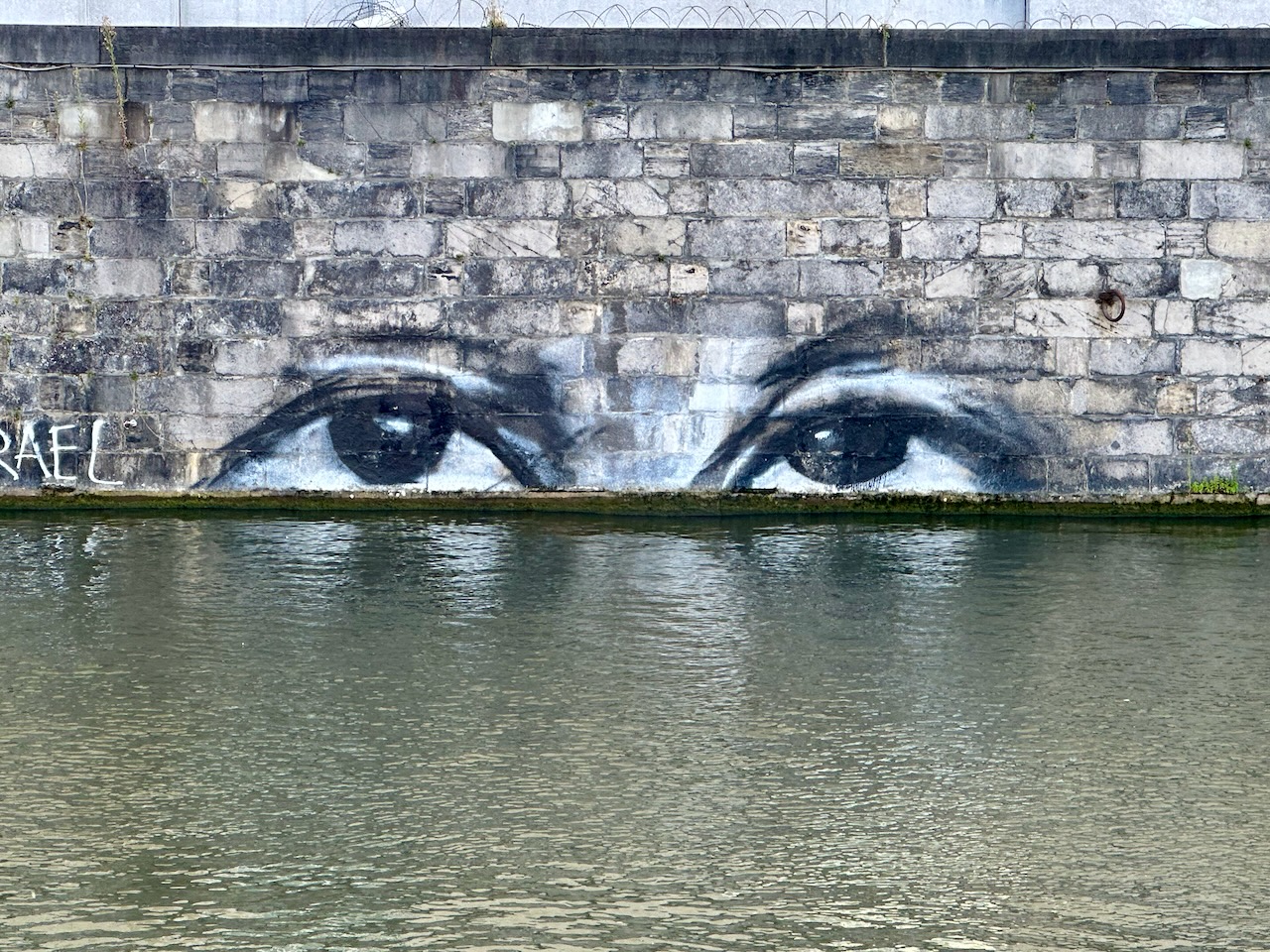
Are you seen?
Who do you see?
How do you process what you have witnessed? Does it inspire, does it distract, does it deter, does it confuse?
Most of us want to be seen by somebody who believes what we believe. We want the tribe to benefit from our work and inspire those on a similar journey. Being viewed is often enough to keep us committed to climbing our selected route.
Boundaries and Functionality

The FAA established Air Route Traffic Control Centers (ARTCC). They where not all created at once but they attempt to reflect the volume of flights and major airports that exist within each region. As general aviation pilots or plane spotting enthusiast we might have some depth of understanding as to why certain border exists. However, the genral public probably does not see the immediate rational. When in-flight, it is not obvious that our commercial flight has been handed off from one center to another (unless the air traffic control audio is made available). We assume this works like a trail being routed onto the right tracks when it leaves a large train station.
What systems in our enterprise works like the ARTCC? Which need explanation to those we serve and which ones operate in the background and provide social benefit without being highlighted?
Symbols
Colossal or Fly By Scale
Speed changes our sense of scale. Flying in a commercial aircraft over the landscape at 30,000 feet, we can take a peak out the window, then sip on a drink for fifteen minutes, and upon looking out the window again, the geography changes. However, shouldering a backpack and tugging on hiking boots, traversing the terrain becomes a colossal undertaking, perhaps taking weeks to cover.
How might we recognize that the speed at which we move changes the sense of scale? How might we account for the delta between a road trip on an interstate and a thru-hiker on the Continental Divide Trail? How might we understand the scale facing those that we serve?